
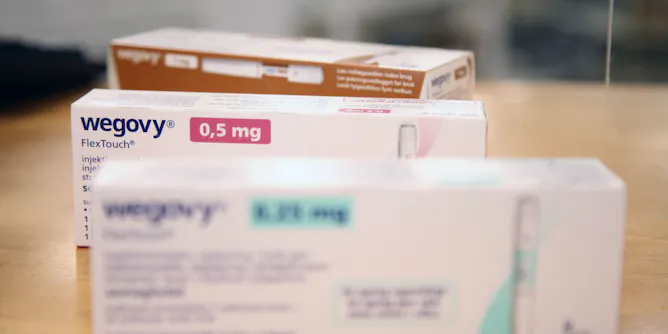
Weight-loss jabs might help with certain heart conditions, but their benefit is being overstated.
Articles on Cardiology
Displaying 21 - 34 of 34 articles

This common heart condition puts you at increased risk of having a stroke, especially if you also have high blood pressure. But our new research shows what you can do to lower your risk.
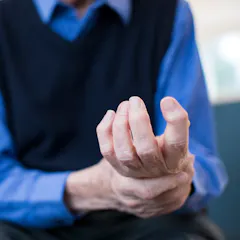
Gout, psoriasis, inflammatory bowel disease and rheumatoid arthritis are all risk factors for heart disease. They all have one thing in common: inflammation.

Women are often under-diagnosed and under-treated for heart disease and may be unaware of their specific risk factors. Clinical and research practices need to reflect the diversity of women in Canada.

Commotio cordis is the result of blunt trauma to the heart, and is one of the leading causes of sudden cardiac death in youth sports. Improvements in protective equipment may help prevent it.
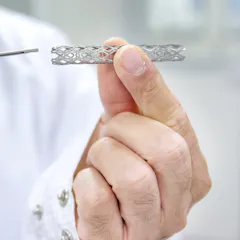
The effect of stents in patients with heart failure has been unknown – until now.

David Bennett owes a debt of gratitude, not only to the surgeon’s who saved his life but to Peter Medawar, the person who discovered why organs are rejected.

The science behind today’s petition to pardon Kathleen Folbigg has been peer reviewed. Here’s what it says.
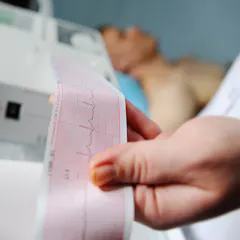
Electrocardiograms are a common tool used by GPs to spot heart problems, and every medical student is trained to interpret one. Yet the government plans to remove Medicare funding for GPs to do this.
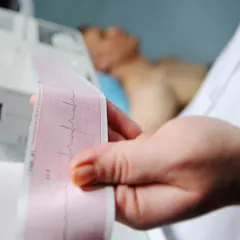
Better and more frequent heart screening programmes are being developed to avoid sudden cardiac death in young football players.

South African Professor Bongani Mayosi was a great mentor to many. Losing him to mental illness is a reminder that we are all human.

Atrial fibrillation is a condition that causes a
rapid and irregular heartbeat. The normal heart rate lies between 60 and 100 beats per minute.

Many suspect Van Gogh suffered from foxglove extract overdose due to the yellow halos in his paintings and his portrait of his physician holding the plant.

The risk of developing an irregular heartbeat was 41% higher among those who were grieving a partner’s loss than among those who hadn’t experienced such loss. And this could last up to a year.
Top contributors
-

Associate Professor of Cardiology, University of Colorado Anschutz
-
Senior Lecturer in Chemical Pathology, University of Westminster
-
Associate professor in Cardiology, University of Leeds
-
Head of School and Dean of Pharmacy, University of Sydney
-
Senior Lecturer in Digital Health and Community and Primary Health Care Practice, University of Sydney
-
Professor of Echocardiography and Cardiovascular Physiology, Liverpool John Moores University
-
Medical Doctor, University of Cape Town
-
Researcher in Interventional Cardiology, RCSI University of Medicine and Health Sciences
-
Postdoctoral Associate, Department of Mechanical and Materials Engineering, Western University
-
Clinical Lecturer, King's College London
-
PhD Student in Biomedical Engineering, Western University
-
Postdoctoral Research Fellow, School of Health Sciences, University of Sydney
-
Cardiologist at Westmead Hospital; Director of the Westmead Applied Research Centre, University of Sydney
-
Adjunct Professor, Department of Obstetrics and Gynecology, Faculty of Medicine, Dalhousie University, Mount Saint Vincent University
-
Senior Lecturer of cardiology, Interventional Cardiologist, Aga Khan University Hospital