
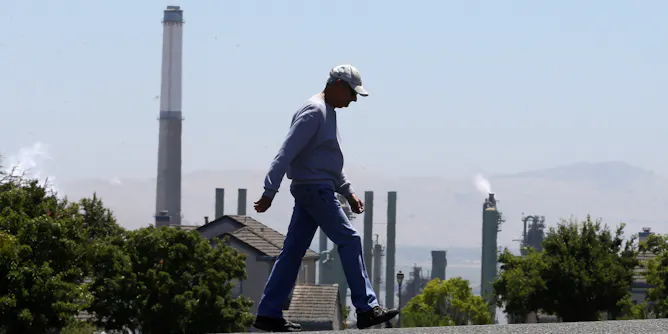
These policies, which are designed to slow the pace of climate change, don’t have to cost taxpayers, and they do not appear to hinder economic growth.
Articles on Carbon price
Displaying 81 - 100 of 234 articles
There are some good explanations for the mismatch between regional support for climate action and the areas where renewable energy is making the biggest inroads.
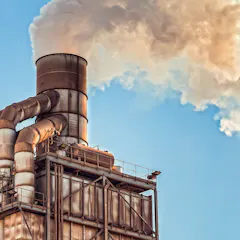
Explaining how carbon taxes and cap-and-trade systems work is simpler than figuring out how high those taxes and caps should be.
William Nordhaus showed that the market offers the best chance for preventing global catastrophe form climate change.
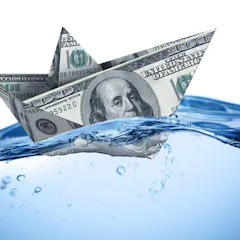
A too rapid transition to a low-carbon economy would threaten financial stability. A slow transition would run the risk of exceeding irreversible ecological thresholds.
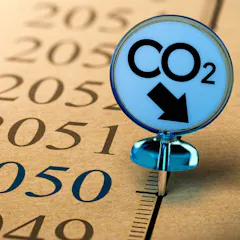
With consultation underway to improve the New Zealand emissions trading scheme, experts argue that a reserve price on emissions units could help rebuild confidence in low-emission investment.
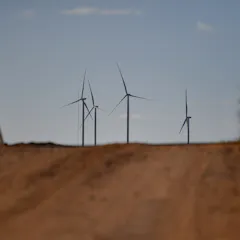
Renewable energy investment is gathering steam throughout the world. Australia’s National Energy Guarantee policy should be made agile enough to jump on board, because this runaway train won’t stop.
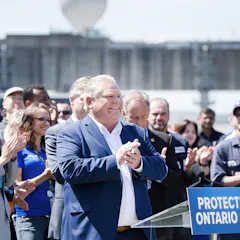
Ontario Premier Doug Ford seems intent on dismantling the previous government’s energy strategy. But that may not protect consumers.

If Australia is to meet its climate targets, radical measures could be required to reduce emissions in sectors such as aviation.
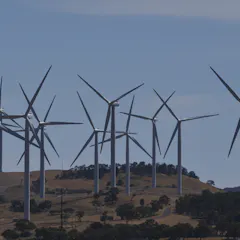
The latest annual survey from the Lowy Institute shows that 59% of Australians support strong climate action, and 84% want the government to embrace renewable energy even if it’s more expensive.
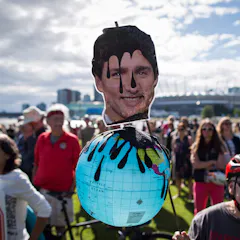
The Trudeau government’s decision to buy the Trans Mountain pipeline from Kinder Morgan is incredibly risky. Here’s why.
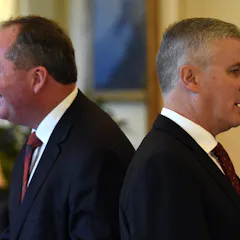
Barnaby Joyce had a long history of opposing climate action. His successor Michael McCormack seems to think the same way, despite climate being a growing threat to the Nationals’ rural voters.
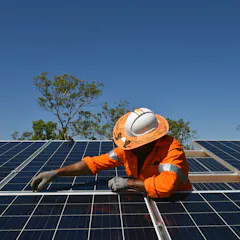
The price of renewable energy will fall significantly relative to new-build coal in coming decades, making an all-renewable electricity system more desirable, both economically and environmentally.
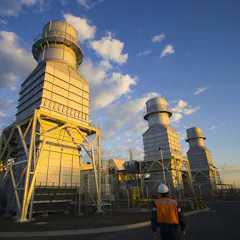
The current domestic gas crisis will pass. But if the industry wants to surpass coal and fulfil its role as a ‘transition fuel’, it should lobby for a carbon price to help it on its way.
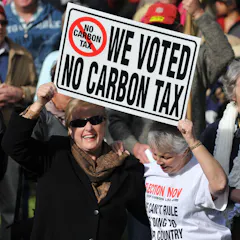
Taxing carbon has always been a tricky political sell for conservatives. But a group of establishment US Republicans is touting the idea of a carbon “tax and dividend” as a way to break the deadlock.
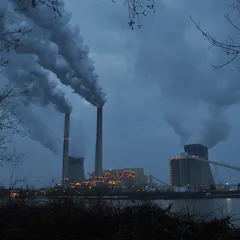
New technologies that can help us to meet climate change targets are struggling to see the light of day. Incentives need to be fixed, and carbon pricing is at the heart of the matter.
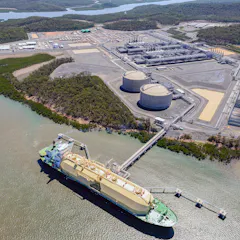
With gas prices high, coal-fired power has been increasing, which is bad news for carbon emissions.
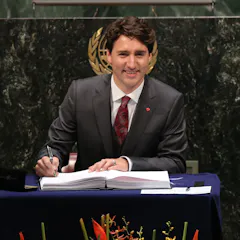
Canadian PM Justin Trudeau has decided to leave climate policy to the provinces, while forcing them to act.
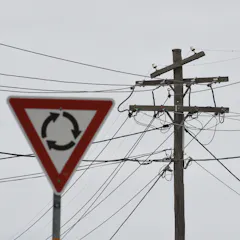
Australia’s energy policy has lost its way over the past couple of decades, which is unfortunate because the challenges – to move to a low-carbon economy without high prices – have never been tougher.
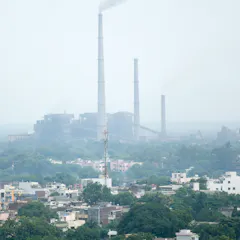
The current climate pledges under the Paris Agreement are weak, and need carbon pricing to give them teeth.
Top contributors
-

Professor, Crawford School of Public Policy and Director, Centre for Climate and Energy Policy, Australian National University
-
Scientia Professor of Economics, UNSW
-
Senior Industry Fellow, Environment and Planning, RMIT University
-
Professor, Environmental and Urban Change, York University, Canada
-
Senior Fellow in Energy and Climate Change, Grattan Institute
-
Academic position - Research Associate at the Centre for Resources, Energy and Environmental Law, The University of Melbourne
-
Professor, School of Economics, The University of Queensland
-
Senior Research Associate, Renewable Energy & Energy Systems Analyst, UNSW
-
Climateworks Centre CEO, Monash University
-
Emeritus professor, Australian National University
-
Research Fellow, Curtin University
-
Senior Research Fellow and Associate Professor, Melbourne Climate Futures initiative, The University of Melbourne
-
Professor and Director, Centre for Environmental Economics and Policy, The University of Western Australia
-
Professor of International Relations, The University of Queensland
-
Director of the Climate Change Institute, Australian National University