

A cup of coffee might help you kick-start your day, but it may actually make painful periods worse. Here’s what else to avoid (and eat) if you have period pain.
Articles on Caffeine
Displaying 21 - 40 of 65 articles
Some coffee lovers can’t do without their hit of caffeine. But if you prefer decaf, here’s the intriguing science of how it’s made, why it costs more – and how much caffeine makes it to your cup.

Naps can be rejuvenating and beneficial to attentiveness and overall health, but the length of naps and the time of day are key.

While a cup of joe or a brief nap during an all-nighter might help you feel a little more alert, it won’t offset cognitive impairments from sleep deprivation when you’re performing complex tasks.
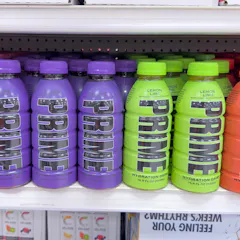
Prime has two offerings: one is marketed as a ‘hydration’ drink, the other as an ‘energy’ drink. But what’s actually in them?
Feeling tired and groggy in the morning may well lead you to crave a coffee boost. But is it a gift or just a loan in terms of energy?
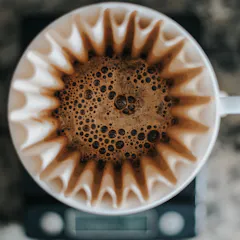
From espresso to plunger, our choice of coffee brewing method depends on many factors. But how much does it impact what’s actually in your cup?

Drinking a cup of coffee means ingesting a complex mixture of chemicals. Research has given us mixed messaging about whether coffee is beneficial or harmful.

Everything from where your coffee is grown right down to how it’s brewed can affect what health benefits it might have.
The black stuff is suddenly much more expensive – the question is whether smallhold farmers will see any of the proceeds.

Energy drinks and coffee both contain lots of caffeine. That’s a problem for teens, especially those who take prescription stimulants.

It seems as though every other week there’s a study telling us coffee is good for us, or it’s bad for us. Here’s what to make of this new piece of research.

Participants who ingested caffeine powder burned up to 29% more fat.
Genetically modified organisms can help address current agricultural challenges, but public opinion is against them. Maybe the search for delicious decaf coffee could lead to widespread acceptance.
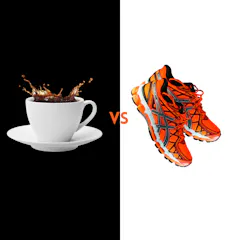
If you want to boost your energy and mood and feel more alert, get moving instead of getting coffee.

Since caffeine is in so many different foods and drinks, it’s easy for kids – or grownups – to get more than they should without realizing it.

How does one of the most popular drinks in the world actually work on our bodies?
Caffeine may be able to increase the function of what we call ‘brown fat’. But we shouldn’t immediately scramble for the closest long black or flat white and expect to see the kilos drop.

Many people drink coffee for that extra bit of energy to go about their day. As well as sharpening our minds, there’s evidence caffeine can give us a physical boost, too.

There are over 100 species of wild coffee, but only a few supply the world’s morning caffeine kick. Sadly, climate change and disease could be about to change that.
Top contributors
-

Associate Professor in Pharmacy Practice, Kingston University
-
Senior Lecturer in Pharmacology, Adelaide University
-
Professor, Chemistry and Biochemistry, Laurentian University
-
Laureate Professor in Nutrition and Dietetics, University of Newcastle
-
Senior Lecturer, Nutrition and Food Science, Australian Catholic University
-
Sleep Researcher, Appleton Institute, HealthWise Research Group, CQUniversity Australia
-
Associate professor in Sport and Exericse Science, Birmingham City University
-
Clinical Affiliate, University of Sydney
-
Accredited Practising Dietitian and Lecturer, Southern Cross University
-
Professor of Community Health and Wellbeing, The University of Queensland
-
Program Director of Nutrition and Food Sciences, Accredited Practising Dietitian, Adelaide University
-
Scientia Professor of Ageing and Mental Health, Centre for Healthy Brain Ageing, UNSW
-
Associate Professor, Nutrition and Dietetics, Griffith University
-
Professor of Psychology, Edge Hill University
-
Senior lecturer in public health, Newcastle University