
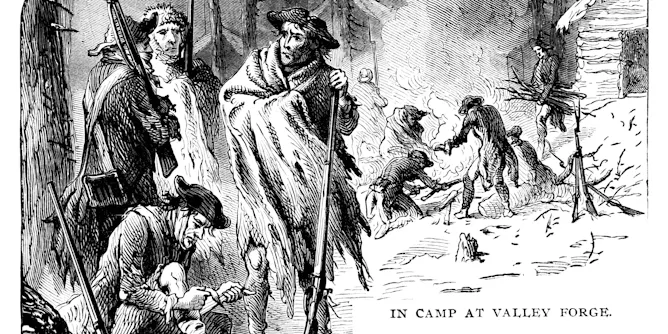
By the Revolutionary War in the late 1770s, those marking the anniversary of St. Patrick’s death on March 17 included Irish immigrants in the Continental Army and those serving the British Redcoats.
Articles on British army
Displaying 1 - 20 of 24 articles
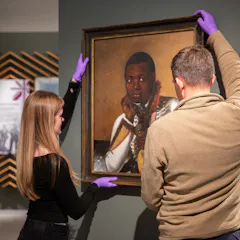
The National Army Museum in London has recently identified the likely subject of a portrait of a black soldier in its collection as Private Thomas James.
Of those polled in mid-January, 58% either strongly or somewhat support deploying UK troops as peacekeepers.
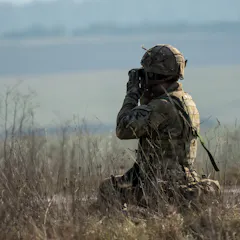
Years of spending cuts have removed the ability of British forces to prosecute a war against a peer adversary for an extended time.

A study of images of soldiers from the Crimean to the Iraq War examined how images may be just as significant for what they leave out as for what they reveal about soldiers as individuals.
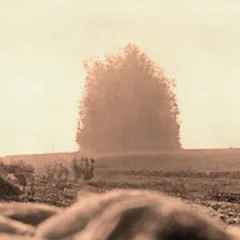
Thanks to modern geological exploration technology we can piece together the events of July 1 1916 when a tactical error came with massive cost to the British army.
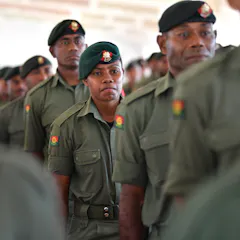
Many Pacific islanders would likely not feel exploited serving in a foreign army; they would see it as an honourable duty that comes with economic benefits to improve their lives.
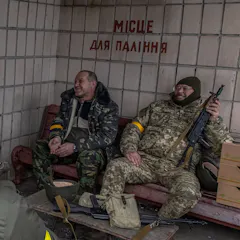
Zelensky’s call for foreign volunteers to help Ukraine is the latest chapter in a long history of volunteer forces.

New research suggests the partners of UK military personnel may experience greater levels of depression and binge-drinking compared to women in the general population.

In a world that is unrecognisable to that of 1914, should the British army be relying on recruitment tactics that are a century old?
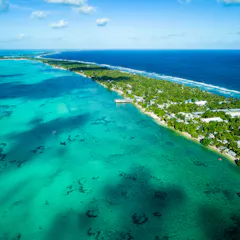
The British nuclear weapon tests on Kiritimati (or Christmas) Island had profound and lasting cultural consequences for both atomic veterans and local islanders.
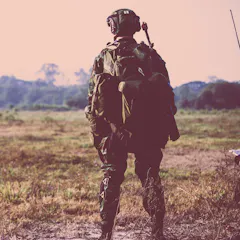
Harmful drinking in the armed forces is double that of the general population.

“Millennial snowflakes” are derided as weak and sensitive but this nastiness is patently false and actively harms progress on tackling mental health.
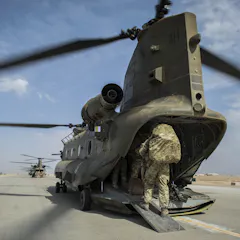
A committee of MPs has lambasted a government scheme designed to protect Afghan civilians who worked for the British.
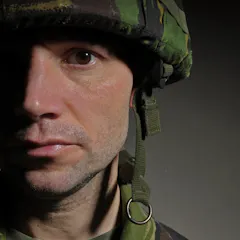
Soldiers can now be more than just the best to join the British Army.
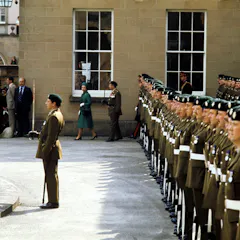
In the 1970s, the British army struggled to contain the subversive activities of members linked to paramilitary organisation.
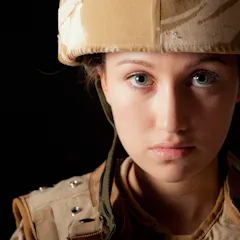
The lack of openness and discussion about sexual assault and harassment within the Armed Forces is damaging UK soldiers and its military.
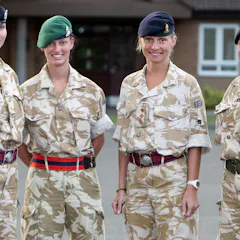
When they think of military veterans most people picture men. We need to know more about the women who serve.

British armed forces have to adapt to a changing threat. Small, highly-trained units will be a key part of that.
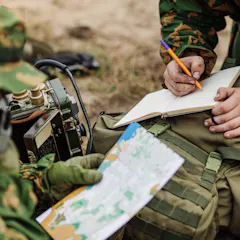
Worried that a shortage of language speakers could be a security risk, the army now gives soldiers cash incentives to learn them.
Top contributors
-

Professor of International Relations, University of St Andrews
-
Defence Professor of Mental Health, King's College London
-
Senior Lecturer in Mental Health and Wellbeing, Edge Hill University
-
Associate Lecturer in International Relations, Anglia Ruskin University
-
Associate Professor in Clinical Psychology, University of Oxford
-
Professor, Department of Politics and International Relations, University of York
-
Research fellow, Veterans and Families Institute for Military Social Research, Anglia Ruskin University
-
Senior Research Fellow at Veterans and Families Institute, Anglia Ruskin University
-
Senior Lecturer in International Politics, Aberystwyth University
-
Professor of Clinical Psychology, University of Liverpool
-
Professor of Intelligence Studies
-
Professor of French Philology and Linguistics, University of Cambridge
-
Professor of Public Services Research, Anglia Ruskin University
-
Lecturer in Law, City St George's, University of London
-
Associate Professor of Security and International Relations, Royal Danish Defence College