
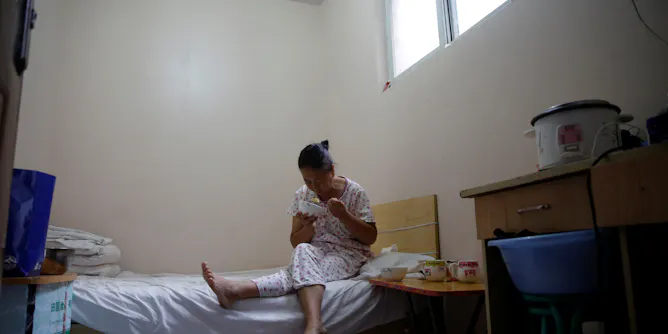
Of women who die from cervical cancer, 87% live in poor countries.
Articles on Breast cancer
Displaying 141 - 160 of 239 articles
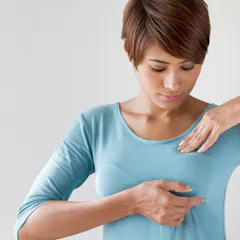
Women are told it’s important to self-check their breasts. But is this true?
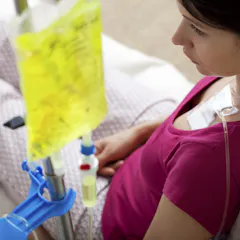
New tools help doctors and breast cancer patients decide whether chemotherapy is needed. A recent study suggested that many can forgo chemo. But the decision is complicated. Here’s why.
Currently, seven cancer types are listed in the top 20 causes of death in Australia. These are cancers of the lung, blood and lymph, bowel, prostate, breast, pancreas, skin and some childhood cancers.
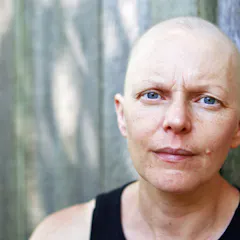
New research that more isn’t better when it comes to chemotherapy mirrors the evolution of surgery approaches to breast cancer that, a few decades ago, were far more radical than now.
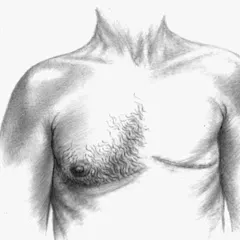
Although breast cancer is usually seen as a woman’s disease, around 145 Australian men were diagnosed with breast cancer in 2015, and around 25 died from it.

The cost of cancer drugs is killing patients and it needs to stop
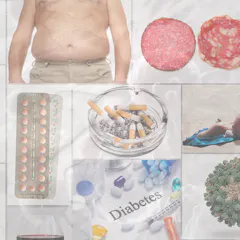
This body map brings together evidence on proven cancer causes. Using credible, scientific sources it answers questions about whether alcohol, red meat or sun exposure increase your cancer risk.

Chronic stress accelerates cancer growth in mice, according to a new study, pointing to potential treatment targets to slow the progression of cancer to other organs.
Personalised medicine is based on the idea that by understanding the specific molecular code of a person’s disease, and particularly its genetic makeup, we can more accurately tailor treatment.
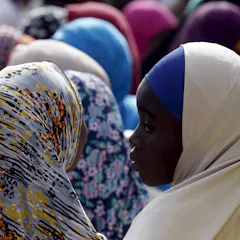
Women in northern Nigeria are not going for cancer screenings early enough. There are myriad social, cultural and economic reasons for this. But early detection would save their lives.
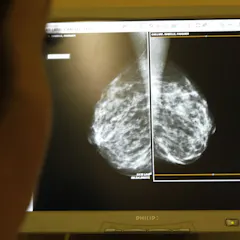
How different are the new breast cancer screening guidelines issued by the American Cancer Society? A professor of radiology explains what the new guidelines say about when women should start having yearly mammograms.

Men can get breast cancer, but that doesn’t mean they would benefit from screening.
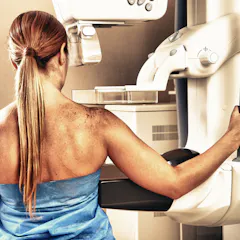
We’re told that finding symptoms of disease early will prevent the more serious consequences. But for pre-cancerous lesions, also known as stage 0 breast cancer, the picture is much more complicated.
How does one prove that shift work causes breast cancer, as the authors of the new study claim? A cancer epidemiologist explains how scientists weigh evidence to figure out what causes cancer.

What if you could take a simple test to reveal your individual risk of developing a range of cancers and hundreds of other diseases?
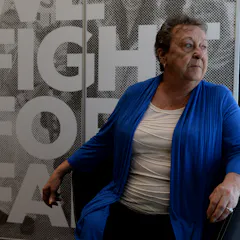
The High Court challenge is the last resort for Ms D'Arcy’s test case against companies patenting human genes and has implications for patients, clinicians and researchers.

Long gone are the days when breast cancer was seen as a tumour with an underlying relationship with oestrogen. The picture is much more complex.

Breast cancer is one of the most common cancers in the Western world, with 15,000 women (and about 70 men) diagnosed each year in Australia.
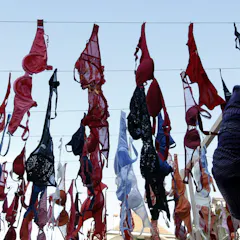
Major causes have been identified for most common cancers, like liver and lung. But we still haven’t identified one for breast cancer.
Top contributors
-

Professor of Biomedical Sciences, Anglia Ruskin University
-
NHMRC Emerging Leader Research Fellow, School of Public Health, University of Sydney
-
Professor of Breast Cancer Research, Institute of Health and Biomedical Innovation and School of Biomedical Sciences,, Queensland University of Technology
-
Professor, School of Medicine, University of Connecticut
-
Adjunct Professsor, School of Psychology, Faculty of Health and Medical Sciences, Adelaide University
-
James Stewart Chair Of Surgery, The University of Melbourne
-
Professor of Public Health, University of Sydney
-
Professor & Deputy Director, Women's Health Program, School of Public Health and Preventive Medicine, Monash University
-
Specialist Consultant / Head: Breast and Endocrine Surgery Unit, Stellenbosch University
-
Adjunct Professor, School of Psychology, Curtin University and College of Health and Medicine, Australian National University
-
Senior Research Assistant, Stellenbosch University
-
Ph.D., Sociology/Social Justice, University of Windsor
-
Professor of Clinical and Diagnostic Sciences, Associate Dean of Research and Innovation in the School of Health Professions, University of Alabama at Birmingham
-
Professor of Clinical Epidemiology, Sydney School of Public Health, University of Sydney
-
Associate Professor, Deakin University