
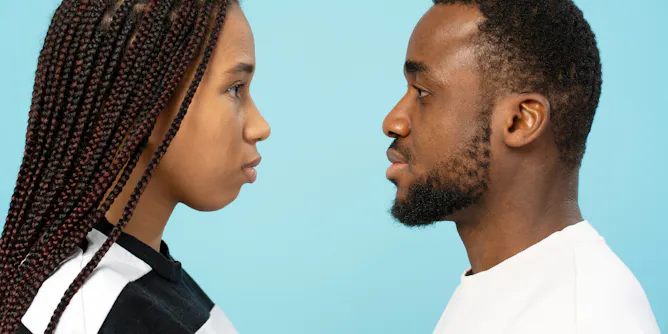
Human connection is not only psychological, but physiological too
Articles on Brain waves
Displaying all articles
We all know poorly designed chairs cause physical strain. But here’s why poorly designed workplaces are so mentally draining.
What we ‘see’ in the brain depends on which tool we use to ‘look’ – but each one comes with trade-offs.
Electroconvulsive therapy often evokes inaccurate images of seizing bodies and smoking ears. Better understanding of how it reduces depression symptoms can illuminate new ways to treat mental illness.
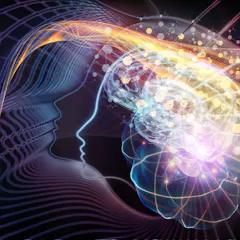
New research may upend our understanding of the brain, showing that travelling waves of neuronal excitation dominate the activity associated with our thoughts and feelings.
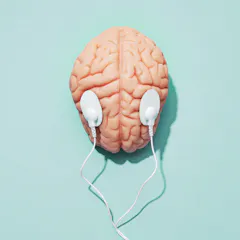
Transcranial alternating current stimulation, or tACS, is a type of brain stimulation that can change neural activity and improve memory, attention and executive function.
Learning new rules requires the suppression of old ones. A better understanding of the brain circuits involved in behavioral adaptation could lead to new ways to treat schizophrenia and bipolar disorder.
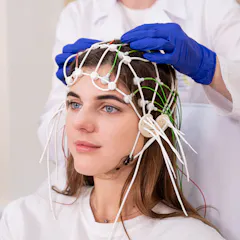
An expert explains the technology behind a brainwave test that could change the way crimes are investigated.

It appears that the rhythms of your brain waves get in sync with the speech patterns of the person you’re conversing with. Videoconferencing throws off that syncing process.

The internet is awash with videos that claim to use ‘binaural beats’ to improve your focus or relieve stress. But while they can influence your brain, the touted mood-enhancing effects may not be.

Like a cocktail partygoer able to focus on one discussion in a noisy room, brains are able to make reliable connections against a busy neural background. Here are two phenomena that help it happen.
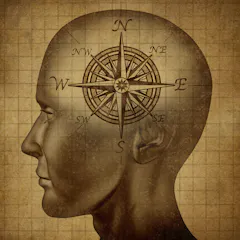
Your brain’s sensory talents go way beyond those traditional five senses. A team of geoscientists and neurobiologists explored how the human brain monitors and responds to magnetic fields.
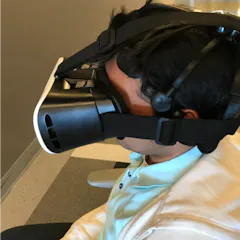
Biometrics are more secure than passwords – but when they’re compromised fingerprints and retina scans are hard to reset. Brain responses to specific stimuli are as secure and, crucially, resettable.

How to win at golf …with a little help from neuroscience.

‘Mini brains’ can be grown in the lab, and brains of decapitated pigs were recently ‘kept alive’ for a day and a half. But what makes a conscious brain?

There’s more to Tourette syndrome than swearing and shouting. Over the last several years, many life-altering treatments of this tic disorder have become available to patients and their families.
It’s a slow process, but billionaires like Musk push boundaries and help researchers set long-term goals for developing brain-computer interfaces.
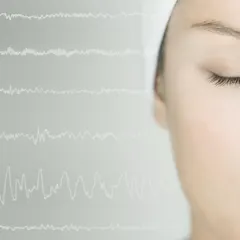
It may prove to be a useful diagnostic tool for brain disorders.

Our heads are like radio receivers, and they can tune in to various different channels.
Top contributors
-

Professor in Psychology, University of Glasgow
-
Assistant Professor of Computer Science and Engineering, University of Colorado Denver
-
Professor of Neurology, Norman Fixel Institute, University of Florida
-
Postdoctoral Research Fellow in Multimodal Neuroimaging and Machine Learning, Harvard University
-
Assistant Professor of Computer Science and Engineering, University at Buffalo
-
Research Associate, University of Glasgow
-
Associate Professor of Computer Science and Engineering, University at Buffalo
-
University of Glasgow
-
Associate Professor, School of Biomedicine, Adelaide University
-
Gertrude Baltimore Professor of Experimental Psychology, California Institute of Technology
-
Research Fellow in the school of medical and health sciences, Edith Cowan University
-
Ph.D. Candidate in Computational Neuroscience, University of California, San Diego
-
Professor of Psychiatry, University of California, San Francisco
-
Professor: Neuroscience and Rehabilitation, Adelaide University
-
Professor of Psychology and Linguistics, University of Michigan