
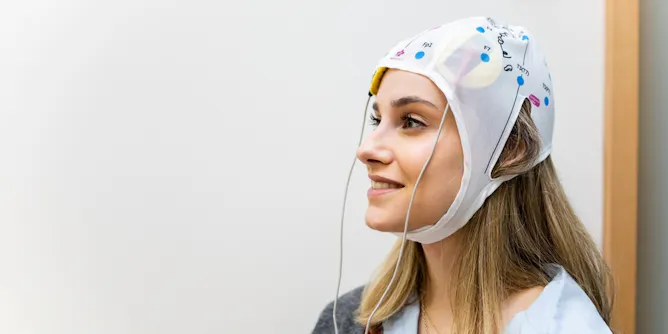
Researchers are exploring whether stimulating the brain with electric currents or magnetic fields helps people learn physical skills more effectively.
Articles on Brain stimulation
Displaying 1 - 20 of 22 articles

A study of extracts of a plant in South Africa traditionally used for staying alert showed similar effects in mice.
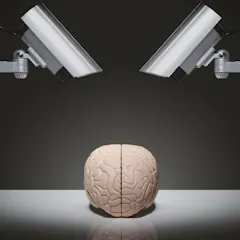
Neurotechnology raises many high-stakes ethical questions. Setting ground rules could help protect workers and ensure that tasks are adapted to the person, rather than the other way around.

The preference for fairness emerges early in childhood, suggesting it is to some extent hardwired.
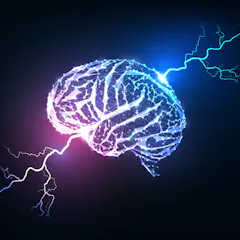
Electroconvulsive therapy often evokes inaccurate images of seizing bodies and smoking ears. Better understanding of how it reduces depression symptoms can illuminate new ways to treat mental illness.
Deep brain stimulation can help some people with treatment-resistant depression feel better, but it can be unclear whether a bout of low mood is a relapse or a bad day.
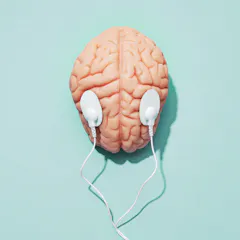
Transcranial alternating current stimulation, or tACS, is a type of brain stimulation that can change neural activity and improve memory, attention and executive function.
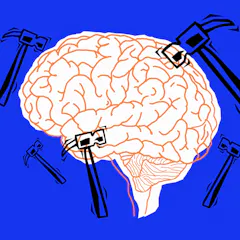
Pain has long been subjectively measured, leading to frustrations for patients and doctors alike. Identifying neural biomarkers of pain could improve diagnosis and lead to better treatments of chronic pain conditions.
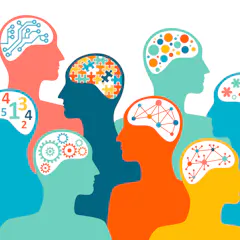
Existing brain connections may influence the effectiveness of neurostimulation. Tailoring treatments to each individual brain could expand the number of conditions brain stimulation can treat.
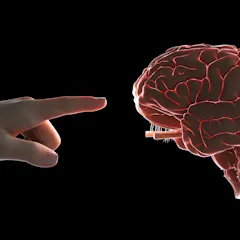
When designing neuroprosthetic devices for users to control with their thoughts, engineers must take into account the sensory information brains collect from the environment and how it gets processed.
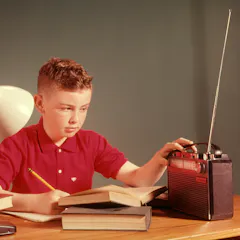
Research shows that the type of task – and style of music – tend to determine whether listening will help or hinder your performance.
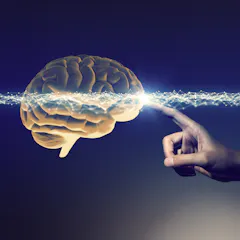
From dementia to depression to drug addiction, artificial brain stimulation has been hailed as a landmark medical technology for the future. But safeguards are needed if we want the benefits without the risks.

We know things like exercise can increase our brain function, but taking a pill would require less effort.
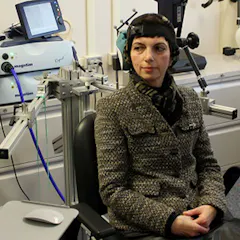
When Zahra Moussavi’s mother developed Alzheimer’s, the scientist pursued a technology that directly stimulates the brain with electromagnets to mitigate the effects of the disease. It worked.

Many writers say they have inspiration come to them from their characters or an inner voice. Science is seeking answers.
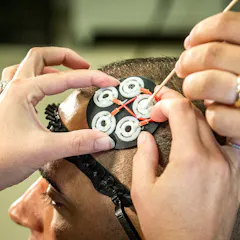
Tinkering with the brain’s electrical field shows tantalizing promise for boosting memory, but it doesn’t always work. A new study offers one reason why.
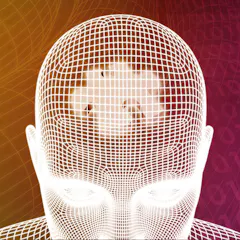
Electrical brain stimulation is used to treat a range of conditions, from depression to epilepsy. But how confident can we be that it works?

Can new ways of using electric currents to stimulate the brain help reduce symptoms of one of the most debilitating eating disorders?
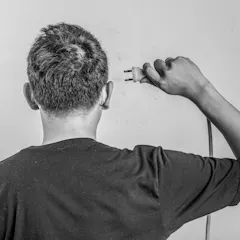
People who electrically stimulate their brains at home need more information to do it safely… and neuroscience needs to find out more about how and why they do it.
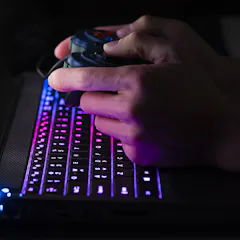
Brain stimulating headsets are being enthusiastically taken up by gamers aiming to boost performance. But there are risks, particularly for children or those vulnerable to mental health problems.
Top contributors
-

Professor of Psychiatry, UNSW & Black Dog Institute, UNSW
-
Senior Research Fellow, Monash University
-
Teaching Fellow and Teaching Assistant, University of Leicester
-
Research Fellow in Brain Plasticity and Pain, Neuroscience Research Australia
-
Academic (Lecturer and Researcher), Monash University
-
Researcher, King's College London
-
Professor of Biomedical Engineering, University of Manitoba
-
Associate Professor in Clinical Psychology and Neuropsychology, Trinity College Dublin
-
Senior Research Fellow, Neuroscience Research Australia
-
Deputy Director, Neuroscience Research Australia
-
Director, The Brain Dialogue, ARC Centre of Excellence for Integrative Brain Function, Monash University
-
Professor, La Trobe University
-
Research associate, UNSW
-
Visiting Researcher in Computational Neuroscience, University of Washington
-
Postdoctoral Scholar in Neuroscience, University of California, San Francisco