
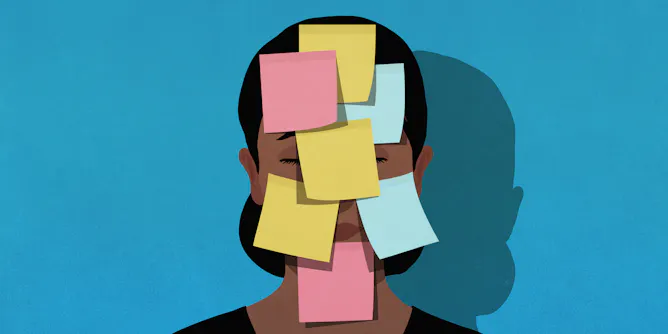
Many medical conditions can affect prospective memory. But so can excessive alcohol use.
Articles on Brain injury
Displaying 21 - 40 of 87 articles
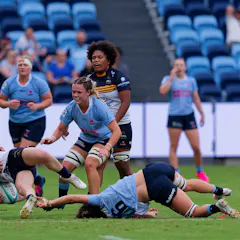
Women’s increased participation in high-impact sports is often seen as cause for celebration – but this progress comes with costs to brain health

The people manning the guns are also at risk of injury from the force of the weapon.

Concussions can teach researchers a great deal about how the brain recovers after injury and offer insights into how people can promote brain health throughout their lives.

The genetic evidence behind why some people suffer longer term concussion effects is growing. But what are the ethical considerations that flow from that knowledge when it comes to sport?

Some First Nations women who sustain head injuries from family violence don’t access health care and support. We studied why and found one reason is a fear their children will be taken away.

Brain injury survivors report the sport can give constant opportunities for learning and a way to reevaulate emotions.
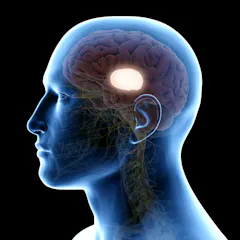
Long-term symptoms of concussion can include trouble concentrating and emotional distress.
The Super Bowl is more than a game — it’s an ecosystem of parties, the halftime show, the ads and 100 million people watching despite the sport’s ugly and dangerous side.
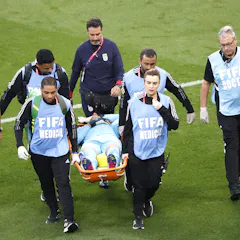
World Cup 2022: the risk of playing on with concussion and why the rules in football need to change.

While high-profile concussions in the NFL have brought renewed attention to the gravity of head injuries, they can also occur on the playground or during junior varsity practices – with lasting effects.

Health and service workers are not asking women about a potential traumatic brain injury, there’s a lack of referral options, and often no diagnosis.

Reliance on the support of others after an accident showed philosopher David Newheiser the power of solidarity. We need a similar sense of communal connection in our approach to COVID, he writes.
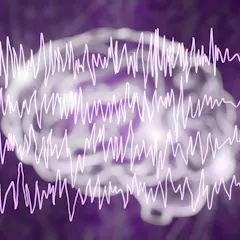
Because some seizures are relatively subtle, they can go unrecognized, leading to a delay in diagnosis.
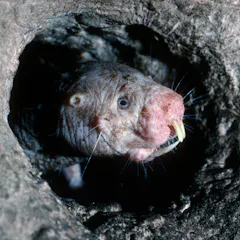
Some animals use microRNA to protect the brain from various stressors. Understanding how they do this and applying it to humans has potential for revolutionary treatments.

Across Canada and the United States, more than two million people are living with aphasia and its language and communication challenges.
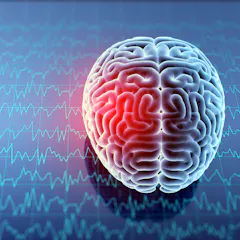
The molecule C1q has both protective and detrimental effects after traumatic brain injury. Blocking it after injury in mice restored normal brain rhythms during sleep and prevented epileptic spikes.
Plus, how a team of musicologists and computer scientists completed Beethoven’s unfinished 10th Symphony using AI. Listen to The Conversation Weekly podcast.
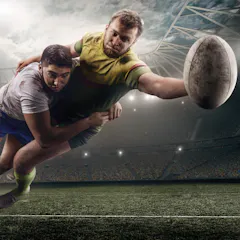
Brain injuries and the long-term health effects in professional sport have become significant issues in the past decade.
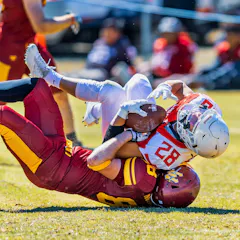
Every year, about 10 per cent of youth athletes experience a concussion. Research shows there are steps we can take to help prevent these injuries, but we can’t be afraid to make changes.
Top contributors
-

ARC DECRA Fellow, Institute for Culture and Society, Western Sydney University
-
Professor, Adjunct Research Fellow, School of Health Science, Swinburne University of Technology
-
Honorary (Professorial Fellow) at the Centre for Neuroscience, The University of Melbourne
-
Adjunct Associate Professor, College of Healthcare Sciences, James Cook University
-
Clinical Lead, Emotional and Mental Wellbeing Strategy, RPB, Swansea University
-
Professor of Psychology, University of Victoria
-
Research Fellow, UNSW
-
Canada Excellence Research Chair in Health Equity and Community Wellbeing; Professor, School of Disability Studies, Toronto Metropolitan University
-
Lecturer, Bangor University
-
Associate Professor of Neurology; Chief of the Division of Neurocritical Care, Department of Neurology, University of Florida
-
Assistant Professor, Faculty of Law, Bond University
-
Lead, Cognition and Consciousness Imaging Group, Division of Anaesthesia, University of Cambridge
-
Professor and Personal Chair, Swansea University
-
CIHR Scholar, PhD Candidate, Department of Psychology, University of Victoria
-
Senior Research Officer, The University of Melbourne