

For one thing, there’d be a much higher rate of brain cancers in the decades since mobile phones were widely adopted.
Articles on Brain cancer
Displaying 1 - 20 of 25 articles

Scolyer captured the world’s attention when he volunteered for a world-first experimental treatment for brain cancer. He died on Sunday night, aged 59.

Brain tumours are rare, but their early signs are easy to mistake for stress, tiredness or the menopause. Researchers explain what to look for – and why it matters.
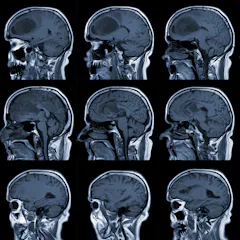
Glioblastoma is one of the deadliest forms of cancer, with limited treatment options and low survival rates.

We now have the strongest evidence to date that radio waves from mobile phones are not a hazard to human health.
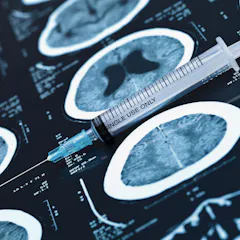
Cancer vaccines have gained much interest among scientists but face a number of hurdles. A new mRNA vaccine for glioma offers a step forward in training the immune system to fight cancer.

Over 20% of people diagnosed with brain cancer survive longer than five years. But the NDIS may not recognise their need for support to live, work, learn and play.
Glioblastoma is the most aggressive type of brain cancer, causing significant decline in cognitive function. New research suggests a common anti-seizure drug could help control tumor growth.

Public-health messaging and strained health-care resources during COVID-19 have meant fewer in-person exams. For some children with brain cancer, this can have devastating consequences.

Developing drugs is typically the domain of large pharmaceutical companies. But here is an example of drug development for a rare pediatric brain cancer that was done in a university setting.
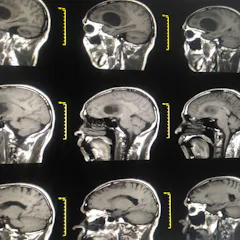
When it comes to treating cancer, focus for decades has been on killing the fastest growing cells. New research finds that this approach may be too simple.

A cancer is in remission when it can no longer be detected. But we only say it’s cured when it hasn’t come back for a certain time – and that differs for different cancers.
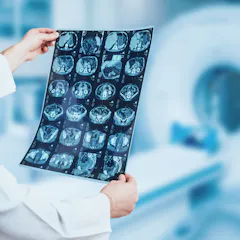
Why hasn’t there been an improvement in survival in the last 30 years for patients with brain cancers?

Leukaemia used to be a death sentence. Now, the survival rate for the most common form in children is 85%. We can apply similar strategies to how we approach childhood brain cancer.

A diagnosis of glioblastoma did not keep John McCain from the Capitol to cast a crucial vote that could end Obamacare. His actions are a reminder that stats are one thing but human beings, another.

If you’re an Australian teenager or young adult diagnosed with cancer, there’s good news: overall survival rates are good and getting better. But what can you expect from life after cancer treatment?

The well-used drug clomipramine could target tumour cells and leave normal cells healthy – if scientists could get enough evidence for it.

The evidence appears contradictory – but there may be a good reason for this.
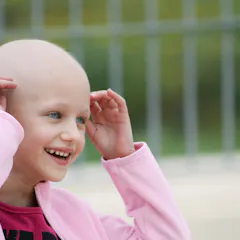
Childhood deaths from cancer have decreased by nearly 40% in the past 15 years in Australia. But some types of childhood cancer have shown little improvement.
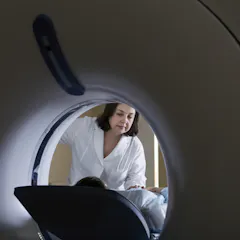
A new research paper has found some cancers aren’t picked up by GPs in the first or second appointments, but it’s because cancer is usually an unlikely explanation for a patient’s symptoms.
Top contributors
-

Senior Research Officer, Blood Cells and Blood Cancer, WEHI (Walter and Eliza Hall Institute of Medical Research)
-
Senior Research Officer, Blood Cells and Blood Cancer Division, WEHI (Walter and Eliza Hall Institute of Medical Research)
-
Research Fellow, European Cancer Stem Cell Research Institute, Cardiff University
-
Lecturer & Research Fellow in Speech Pathology, University of Sydney
-
Adjunct Professor of Biochemistry, University of Helsinki
-
Professor of Cellular and Molecular Neuro-Oncology, University of Portsmouth
-
Adjunct Professsor, School of Psychology, Faculty of Health and Medical Sciences, Adelaide University
-
Senior Research Fellow, St George's, University of London
-
University of Florida
-
Lecturer in Neuroscience, University of Lancashire
-
NHMRC Senior Research Fellow, Centre for Cancer Biology, Adelaide University
-
Adjunct Associate Professor, Cancer Nursing Research Unit, University of Sydney
-
Research Associate, Centre for Cancer Biology, Adelaide University
-
Professor of Primary Care Cancer Research, The University of Melbourne
-
Consultant Neonatologist and Professor of Ethics, University of Oxford