

Weight-loss injections like Ozempic may help cancer patients with brain tumours live longer. But experts urge caution before drawing firm conclusions.
Articles on Brain tumour
Displaying all articles

Brain tumours are rare, but their early signs are easy to mistake for stress, tiredness or the menopause. Researchers explain what to look for – and why it matters.
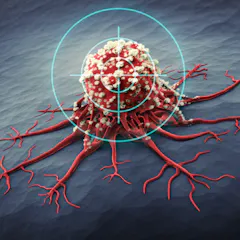
Microbeam radiation therapy has proven effective in animal studies against tumours in the brain, breast, skin and central nervous system.

Over 20% of people diagnosed with brain cancer survive longer than five years. But the NDIS may not recognise their need for support to live, work, learn and play.
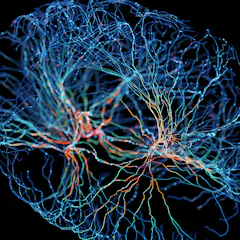
Glioblastoma is the most aggressive type of brain cancer, causing significant decline in cognitive function. New research suggests a common anti-seizure drug could help control tumor growth.
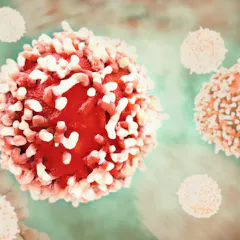
Most children who have cancer live in the developing world where their survival rate is less than 25%. In Kenya awareness about childhood cancer is low and treatment isn’t always readily available.

Getting the right amount of radiation is a fine balance between therapy and harm. A common way to improve the benefit-to-cure ratio is to fire multiple beams at the tumour from different directions.

Something exciting is going on – no thanks to the supplements industry.

The well-used drug clomipramine could target tumour cells and leave normal cells healthy – if scientists could get enough evidence for it.
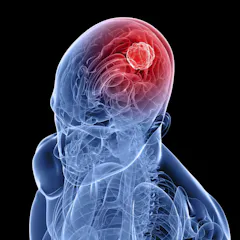
Glioblastoma is an aggressive form of brain cancer that has a very poor prognosis. Despite the current best therapies half its sufferers survive for 15 months and less than 5% are alive after 5 years.

Early intervention in neurocognition and communication can address communication and cognition difficulties in survivors of childhood brain cancer and increase their quality of life.

Malignant brain tumours are the most common cause of cancer death in children. And the most common of these are called medulloblastoma. Although these tumours can occur in both children and adults (they…
A handful of genes linked to the formation of the most aggressive and frequent form of brain tumours in children have been…
Brain tumours communicate with other cells in a similar way to twitter, according to a new study from the Brain and Mind…

The recent case of Neon Roberts and the legal dispute over his treatment for a brain tumour threw the spotlight on the potential risks of using radiotherapy to treat complex cancers in children. Radiotherapy…
Home pesticide treatments may be linked to higher risks of children developing brain tumours. Research based on a nationwide…
Parents who are exposed to diesel fumes at work have an increased risk of their child developing a brain tumour, according…
A new gene sequencing project has identified potential treatment paths for a common childhood cancer. Researchers say they…
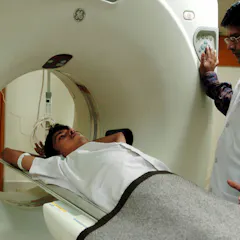
Just two CT (computed tomography) scans of the head in childhood can triple the risk of brain cancer in later life, and as few as five to 10 scans can triple the risk of leukaemia, a study has found. But…
Top contributors
-

Professor of Clinical Radiation Biology, University of Oxford
-
Professor of Cellular and Molecular Neuro-Oncology, University of Portsmouth
-
Professor of Biochemistry, University of Aberdeen
-
Department of Child Health and Paediatrics, consultant Paediatrician, Moi University
-
NHMRC Senior Research Fellow, Centre for Cancer Biology, Adelaide University
-
Director, Institute for Molecular Bioscience, The University of Queensland
-
Professor and NHMRC Australian Fellow, Medicine, University of Sydney
-
Lecturer & Research Fellow in Speech Pathology, University of Sydney
-
Senior Lecturer, Flinders University
-
Associate Professor of Neurological Surgery, University of California, San Francisco
-
Postdoctoral Fellow in Neurological Surgery, University of California, San Francisco
-
Casual Academic, Flinders University
-
Lecturer in Physics, Loughborough University
-
Professor of Health Psychology and Early Cancer Diagnosis, Wolfson Institute of Population Health, Queen Mary University of London
-
Doctoral Researcher, Wolfson Institute of Population Health, Queen Mary University of London