
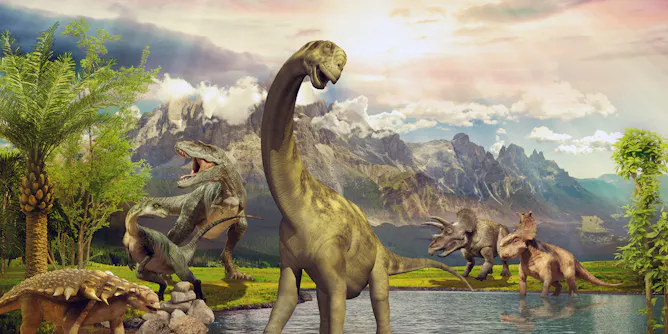
Hollow bones were essential for dinosaurs like Tyrannosaurus rex.
Articles on Bones
Displaying 21 - 40 of 49 articles
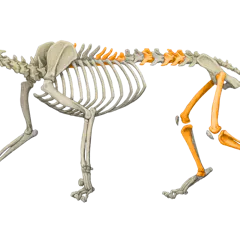
A closer look at these fossil bones revealed more than the suggestion of a previously undescribed species - it pointed to the individual animal having suffered with osteoarthritis.
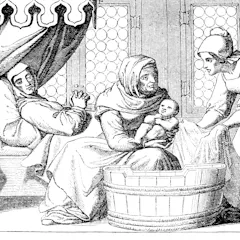
Nasty, brutish – but not necessarily short. Here’s how archaeologists know plenty of people didn’t die young.
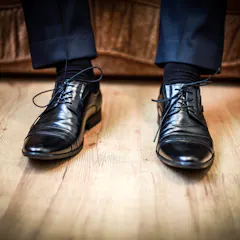
No, you’re not imagining it. Your feet may be wider or longer and your shoes stiffer.

Hard and strong, or bendy and flexible? A cartilaginous skeleton provides advantages in the ocean, but wouldn’t stand up to life on land.
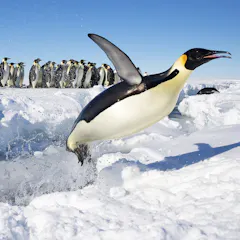
How did penguins end up with so few bones – and become lightning-fast swimmers?
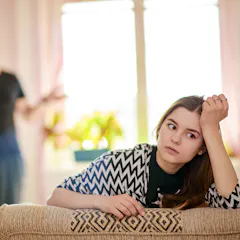
Teens across millennia have yearned to explore, try new things and participate in risky behaviours. The key difference, however, seems to be the experience of a rebellion or restlessness.
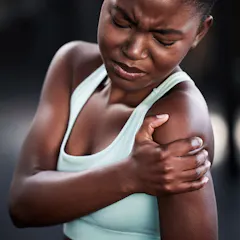
A biomedical engineer explains how human-made materials inserted in the body hold hope to repair painful injuries more efficiently than bone grafts.

Conservation programs can give baby animals the best chance of surviving in the wild by feeding them tough foods, which studies of rats suggest makes their skull bones thicker and tougher.
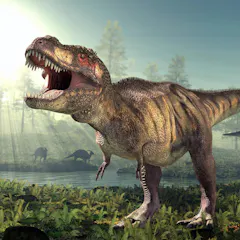
Using the incredible wealth of fossil data and a modern ecological theory, researchers estimated population density for the extinct apex predator.
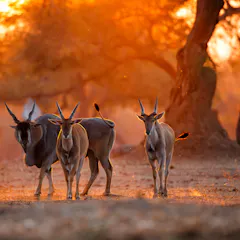
In several other parts of the world, people used the bones of animals that were important within their respective cultures to make tools.

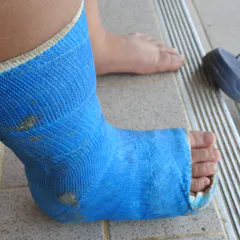
Once his leg fracture heals, his leg can potentially be just as straight and strong as it was before. But his foot and ankle are more of a worry.

It’s not just older adults who get shorter. You start shrinking, the moment you get out of bed in the morning.
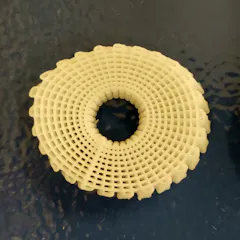
A cutting edge new research project is developing Lego-like bricks made from biomaterials to replace bone fragments in shattered limbs.
Researchers are starting to understand why the bones of diabetic people are more prone to fractures.
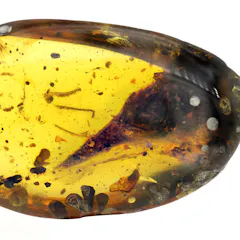
The skull of Oculudentavis, found encased in amber, provides new clues into the transition from dinosaurs to birds and may be smallest of either ever found.
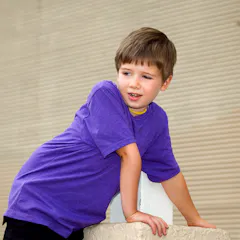
Being double jointed doesn’t mean you have an extra joint – an expert in biomechanics explains what makes some people doubly bendy.

There is no treatment for osteoporosis, which affects millions of people and costs billions of euros every year. What if the solution was in the bile? Explanations.

Sitting too much might be killing you – this is what you can do about it.
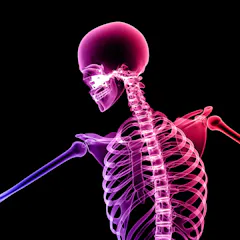
Analysis of bones from over hundreds and thousands of years ago suggests that our skeleton today is more fragile than that of our ancestors.
Top contributors
-

Professor of Anatomy, Lancaster University
-
Professor of Clinical Endocrinology, King's College London
-
Postdoctoral Researcher in Neuromuscular and Skeletal Physiology, Manchester Metropolitan University
-
Associate Professor of Osteoarchaeology, Uppsala University
-
Assistant Professor, University of Missouri-St. Louis
-
Honorary Professor, School of Geography, Archaeology and Environmental Studies, University of the Witwatersrand
-
Associate Professor, Diabetes and Endocrinology, The University of Queensland
-
Senior Professor of Paleontology, Chinese Academy of Sciences
-
Professor of Biological Anthropology, University of Cape Town
-
Honorary, Department of Medicine, The University of Melbourne
-
Reader in Bioengineering, University of Cambridge
-
Associate Professor of Anthropology, Binghamton University, State University of New York
-
Assistant Professor in Sport and Exercise Sciences & Fellow of the Wolfson Research Institute for Health and Wellbeing, Durham University
-
Professor of Archaeology, Durham University
-
Head, Department of Medicine, School of Clinical Sciences; Professor of Medicine, Monash University