
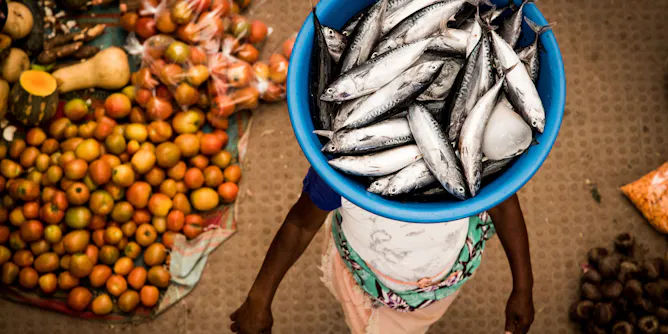
The ability of West Africa’s fisher women to cope or adapt in times of adversity should not let policymakers off the hook.
Articles on Blue economy
Displaying 21 - 40 of 57 articles

Ghana’s maritime economy faces significant challenges in becoming viable.
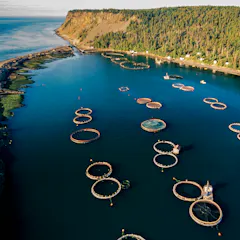
Ocean equity will be the key for achieving blue economies in Canada and the world
There is enormous potential to increase the productivity of African fisheries. There is also potential to improve coastal and marine health.
Africa runs the risk, yet again, of being an onlooker while others make policy for the continent.

Australia’s ‘blue economy’ needs a strong basis in marine science.
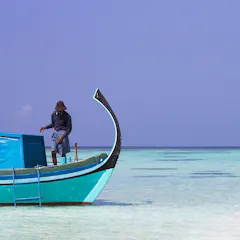
Idyllic destinations have been seen a calamitous drop in income since the pandemic.

The maritime situation in Mozambique must not be allowed to emulate the maritime threats found off Nigeria, Somalia, and the rebel-held territories in Libya.
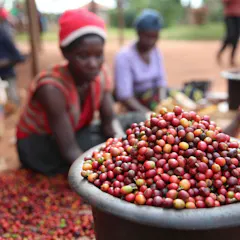
Kenya needs to address spending inefficiencies to attain the goals outlined in the budget.
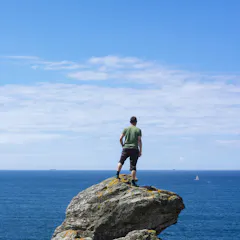
The oceans play a key role in regulating life on Earth. We must shift our view of them from as something to use if we hope to develop them sustainably.
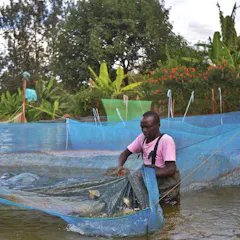
Aquaculture is a growing source of healthy protein for millions of people around the world, but there are big differences between farming fish on land and at sea.
As few as 100 companies produced 60% of revenues in eight ocean industries in 2018.
Economic recovery and carbon neutrality are linked. Both depend on the ocean’s ability to continue to regulate climate.

Sea piracy often grabs the headlines, but it is just one of many symptoms of insecurity at sea.
Multiple ocean industries are rapidly growing, but efforts to protect vulnerable habitats are stalling.
Africa’s blue economy initiatives focused on economic outcomes. Limited attention was given to social equity and ecological sustainability.
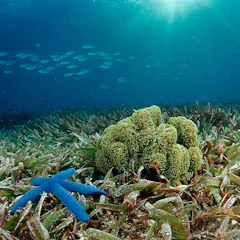
Between 1986 and 2016, Kenya lost about 21 of its seagrasses.
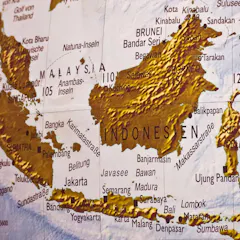
President Joko “Jokowi” Widodo announced the ambition on becoming a global maritime fulcrum in his first term. Not much progress has been made.

A significant change in political mentality is required to shore up one of Africa’s leading lights.
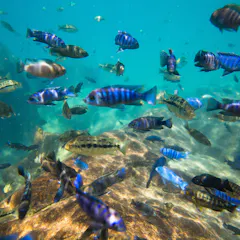
Lake Malawi is considered a biodiversity treasure because almost all its species occurs nowhere else on the planet.
Top contributors
-

Lecturer in Sustainable Futures, University of St Andrews
-
Professor, School of the Environment, The University of Queensland
-
Research Coordinator, Security Institute for Governance and Leadership in Africa, Stellenbosch University
-
Robert Bartlett Professor of Oceanography, Memorial University of Newfoundland
-
Professor in Economics and Director of the Centre for Blue Governance, UNESCO Chair in Ocean Governance, University of Portsmouth
-
Director of CORDIO in East Africa and Adjunct Fellow, Pwani University
-
Adjunct associate, Universitas Indonesia
-
Anthropologist, The University of Queensland
-
PhD Candidate in Oceans Law and Policy, University of Wollongong
-
Chief Executive Officer, Australian Institute of Marine Science
-
Professor, University of Wollongong
-
Principal and Vice Chancellor, Heriot-Watt University
-
Postdoctoral Researcher in Sustainability Science, Stockholm University
-
Chief Scientist and Research Chair for Inland Fisheries and Freshwater Ecology, South African Institute for Aquatic Biodiversity
-
Chair professor, University of Wollongong