
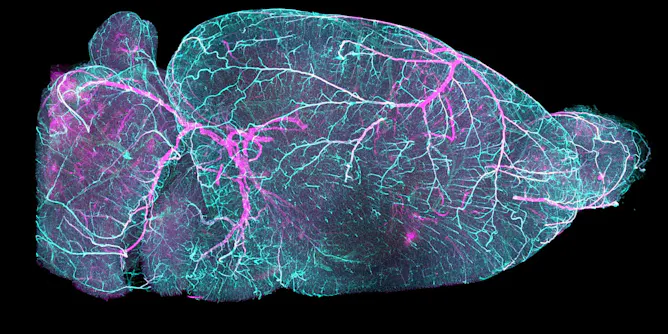
This little-known brain disorder is currently one of the biggest challenges facing medicine where age-related diseases are concerned.
Articles on Blood vessels
Displaying all articles

SARS-CoV-2 and some other viruses trigger “zombie cells” that can create a mix of symptoms seen in long-COVID.

Many cancer survivors struggle with muscle weakness, which can be so profound that they may have difficulties walking up a couple of flights of stairs or going shopping for groceries on their own.

The feeling of pins and needles, which you might also call ‘bubbles’ or ‘tingles’, comes from our nerves.
Our blood is red because of something called haemoglobin, which helps carry oxygen around our bodies.
The so-called ‘thumb-palm’ test may tell if you are at risk of a ballooning artery. But the evidence is far from certain.
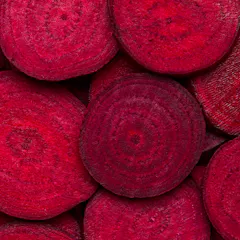
There’s more evidence for beetroot helping to lower your blood pressure or improving athletic performance. Here’s how to get more beetroot in your diet.
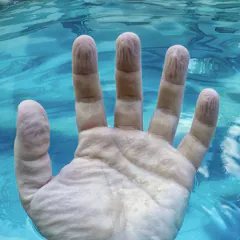
Recent research suggests blood vessels are the key to why fingers and toes turn pruny and pale after being submerged for a while.

Neuroscientists have typically thought of energy supply to the brain as demand-based. A supply-limited view offers another perspective toward aging and why multitasking can be difficult.

Organ models that more accurately capture finer details could reduce surgical error and lead to personalized implants.
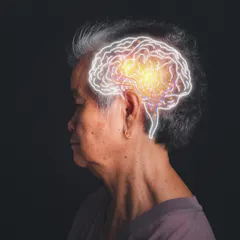
Impaired insulin receptors in the blood vessels between the blood and the brain may contribute to the insulin resistance observed in Alzheimer’s disease.

Everything from hormones to certain heath conditions can affect how we feel.
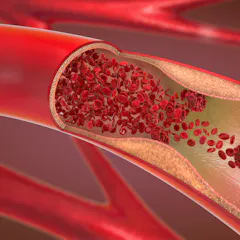
In mice, we found that drugs developed to treat Alzheimer’s Disease could be re-purposed to prevent, or even reverse, the blood vessel damage caused by obesity and type 2 diabetes.

Have you ever felt a piercing pain in your head when you eat something cold?
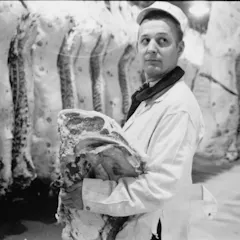
It’s relatively easy to grow a bunch of animal cells to turn into a burger. But to grow a steak made of cultured meat is a trickier task. Bioengineers must create organized, three-dimensional tissues.
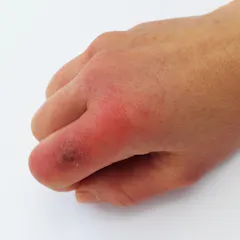
A “how to” on avoiding and resolving chilblains this winter.
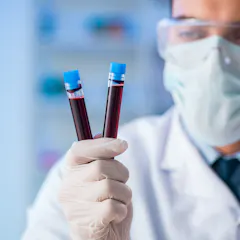
Your blood is red;
it’s never blue.
Because of hemoglobin;
and the view through tissue.
Top contributors
-

Professor of Chemistry, University at Albany, State University of New York
-
Ph.D. Student in Chemistry, University at Albany, State University of New York
-
Consultant Dermatologist, St Vincent's Hospital Melbourne
-
Associate Professor of Mechanical and Aerospace Engineering, University of Florida
-
Professor of Anatomy, Lancaster University
-
Accredited Practising Dietitian and Lecturer, Southern Cross University
-
Associate Professor of Biomedical Engineering, Binghamton University, State University of New York
-
Assistant Professor, Faculty of Health Sciences & Medicine, Bond University
-
Senior Lecturer, School of Psychology and Neuroscience, University of Bristol
-
Professionnel de recherche, Université Laval
-
Associate Professor of Medical Sciences, University of Wollongong
-
Associate Professor of Psychology, Vanderbilt University
-
BHF Intermediate Basic Science Research Fellow and University Academic Fellow, University of Leeds
-
Associate Professor of Science & Medicine, Bond University
-
Doctoral Student in Biomedical Sciences, University of South Carolina