

Underlying medicines ‘do no harm’ principle is a deeper claim that it is worse to do harm than to allow harm to happen.
Articles on Blood clots
Displaying 21 - 30 of 30 articles
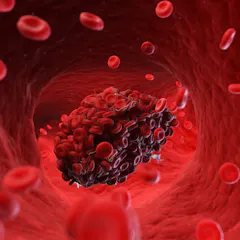
Blood clots form to prevent blood loss both inside and outside the body. But they can become dangerous if they get dislodged from where they form.

It’s early days yet but a growing body of research evidence suggests COVID-19 causes abnormalities in blood clotting, which means blood thinning drugs may have a role to play in treatment.
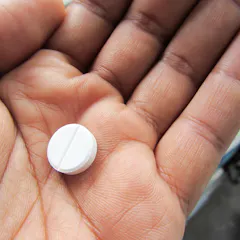
Commonly recommended sleeping tablets aren’t appropriate for plane travel. Here’s why.

Warfarin is a blood thinner that has been used for more than 60 years to help prevent clots and strokes. But it also increases the risk of bleeding.

One in six Australians will have a stroke in their lifetime. That’s about 51,000 strokes per year, or one every ten minutes.

Newer contraceptive pills pose a higher risk of serious blood clots, says a study published in the BMJ today. The finding isn’t new, but it may be cause for a different kind of concern.
Treating stroke sufferers with a blood clot dissolving drug within three hours of the stroke leads to a better and faster…
Danish analysis of women receiving the human papillomavirus (HPV) vaccination has found no link between the vaccine and an…
Women may be at serious risk of developing blood clots for up to twelve weeks after giving birth, rather than six weeks as…
Top contributors
-

Haematology Registrar and Clinical Research Fellow, University of Birmingham
-
Interventional Cardiologist, Alfred Hospital; Professor of Medicine and Immunology, Monash University; Professor and Head, Department of Cardiometabolic Health, University of Melbourne; Lab Head, Atherothrombosis and Vascular Biology and Deputy Director, Baker Heart and Diabetes Institute
-
Postdoctoral Research Fellow, Institute of Cardiovascular Sciences, University of Birmingham
-
Associate Professor, Epidemiology, Deakin University
-
Research Fellow, Baker Heart and Diabetes Institute, Haematologist, Alfred Hospital, Baker Heart and Diabetes Institute
-
Professor, Infectious Diseases and Microbiology, The University of Queensland
-
Head, Melbourne School of Population and Global Health, The University of Melbourne, WEHI (Walter and Eliza Hall Institute of Medical Research)
-
Professor of Pharmaceutical Chemistry, Macquarie University
-
Distinguished Professor, Professor of Immunology, RMIT University
-
Associate Professor of Biology, Rochester Institute of Technology
-
Adjunct Professional Fellow, CQUniversity Australia
-
Professional Research Fellow, Victoria University
-
Associate professor, Victoria University
-
Associate Professor in Contraception, Reproductive and Sexual Health, Anglia Ruskin University
-
Assistant Professor of Medicine, University of Virginia