
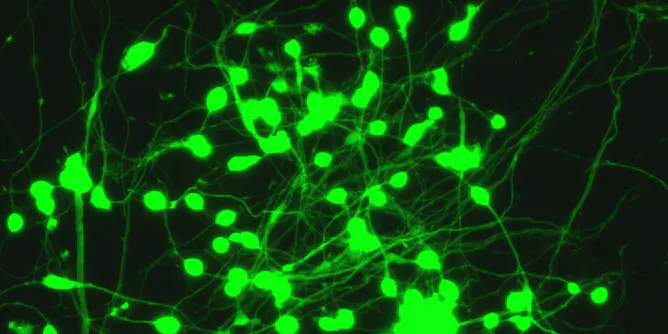
Figuring out what causes diseases like autism, schizophrenia and depression is tricky. Now Stanford University researchers are turning blood into brain cells to study these diseases in a dish.
Articles on Blood
Displaying 61 - 80 of 95 articles
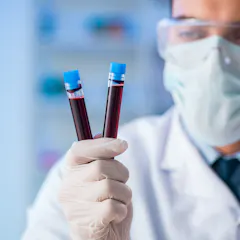
Your blood is red;
it’s never blue.
Because of hemoglobin;
and the view through tissue.

New research shows green-blooded skinks have evolved multiple times, which could help lead to explanation as to why.
Recent scientific studies have claimed that transfusions of blood from teenagers can help delay or reverse the ageing process. Do they stack up?
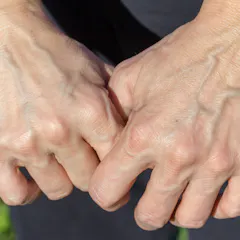
Blood is red, but our veins are blue. Or are they?
New mouse model study sheds light on why alcohol is so harmful.

Much of the Harry and Meghan coverage has ignored the royal family’s complicated history with race and “blood” and its insistence on continuing outdated traditions.

Be it because of concerns over big femcare, landfill, cost, toxic ingredients or toxic shock syndrome, some menstruators seek solutions outside of the Kotex box. These are those choices.

Hepatitis viruses are serious infections that damage the liver. There is an urgent need to deal with increased Hepatitis B infections in Kenya.

Contemporary artists from Judy Chicago to Stelarc have made art from blood. And an exhibition at Melbourne’s new Science Gallery addresses our ambivalent attitudes to this life-giving fluid.

An overview of the most common problems in our blood: bleeding disorders, clotting disorders and cancer.
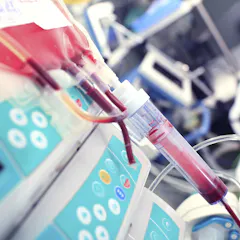
Here we look at how blood transfusions started as an experiment four centuries ago, and became the modern-day life saver they are.
Everything you never knew about the red stuff in your veins.
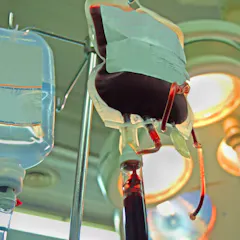
The guidelines don’t go far enough to clarify what to do in the case of refusals by children.

Weight loss often leads to declines in our resting metabolic rate – how many calories we burn at rest – which makes it hard to keep the weight off. So why does weight loss make resting metabolism go down?
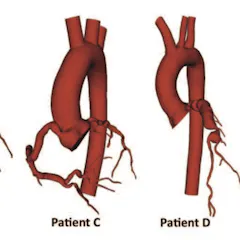
Computer simulation and 3D printing are allowing scientists to develop faster, safer ways to test medical devices without installing them in live humans or animals.

Warfarin is a blood thinner that has been used for more than 60 years to help prevent clots and strokes. But it also increases the risk of bleeding.
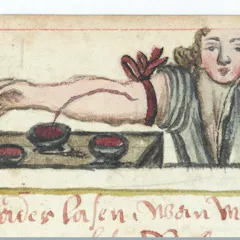
While some ancient therapies proved effective enough that they are still used in some form today, on the whole they just aren’t as good as modern antimicrobials at treating infections.
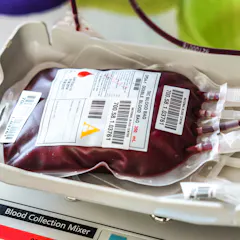
By learning a bit more about these body fluids, we can develop a deeper appreciation for the beauty and complexity of our own biology.
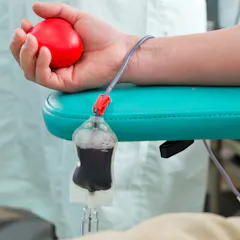
After years of conflicting research and often extreme opinions on iron, it turns out that like anything else that is a benefit in moderation, in excess it is a detriment.
Top contributors
-

Professor of Anatomy, Lancaster University
-
Associate Professor of Medical Sciences, University of Wollongong
-
Adjunct Professor, School of Public Health, University of Technology Sydney
-
Senior Research Officer, Blood Cells and Blood Cancer, WEHI (Walter and Eliza Hall Institute of Medical Research)
-
Senior Research Officer, Blood Cells and Blood Cancer Division, WEHI (Walter and Eliza Hall Institute of Medical Research)
-
Associate Professor of Health and Sport Science, University of Dayton
-
Associate Professor, Public Health Ethics, School of Population Health, UNSW
-
Senior Lecturer, The University of Melbourne
-
Adjunct associate professor, Monash University
-
Senior Lecturer & Deputy- Head of the Medical Education Research Quality Unit, School of Public Health and Preventive Medicine, Monash University
-
Lecturer, Queen's University Belfast
-
Associate Professor of Philosophy, Carleton University
-
Associate Professor of Sociology and Journalism, USC Annenberg School for Communication and Journalism
-
Visiting Assistant Professor of Philosophy, Franklin & Marshall College
-
Professor, School of Medicine, University of Connecticut