

Reasons why women’s voices are ignored in science reporting range from socio-cultural influences that inform gender norms, to perceptions of leadership and political power structures.
Articles on Bill & Melinda Gates Foundation
Displaying 21 - 40 of 48 articles
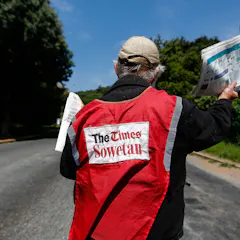
The media’s muting of women’s voices when reporting the COVID-19 crisis keeps women on the margins.

A tragic error showed how complicated it can be to distribute vaccines on a mass scale.
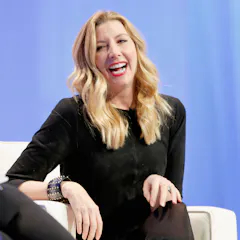
A careful review of more than 200 letters written by the wealthy people who signed the Giving Pledge over its first decade suggests a big contradiction.
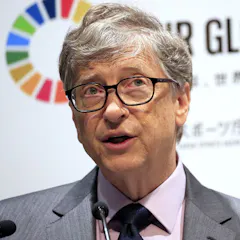
Generosity is good, but philanthropy can come at a significant social cost.

In past recessions, donors have tightened their pursestrings even as the need has grown. But two scholars explain why, at least for foundations, there’s room for more generosity in tough times.
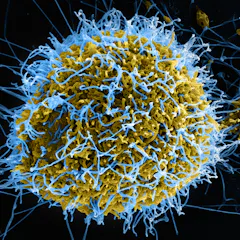
The Trump administration has cut funding for infectious disease research and reduced high-level staffing for global health security, leaving the nation less prepared for major outbreaks.
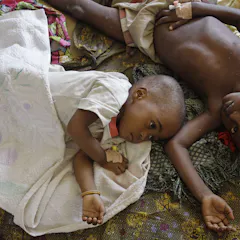
There’s a big market for new treatments for TB, malaria and other ailments. But most of these diseases afflict low-income people unable to pay for medicine.
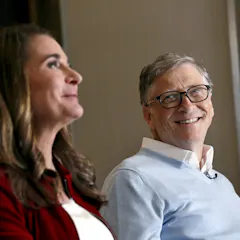
A political scientist warns that a new lobbying initiative launched by Bill and Melinda Gates could harm US higher education.

Those who don’t give often face less media scrutiny.

The Bill & Melinda Gates Foundation is on a mission to get schools to adopt a “high-quality” curriculum. But the effort will constrain teachers and stifle creativity, an education scholar argues.

Several countries — namely Austria, Finland, Ireland, Italy, Sweden and Switzerland — have removed tax benefits for charitable donations. Here’s why Canada should follow suit.

The $4 billion that foundations are pledging to spend within five years amounts to less than 1 percent of what businesses and governments spend on global warming every year.
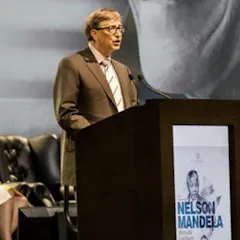
American charitable foundations have gradually established themselves as key players in the African academic sector. If the benefits have been remarkable, there are risks as well.

Amazon’s founder turned to Twitter to crowdsource ideas for his charitable giving. This populist approach and his preference for short-term results set Jeff Bezos apart from other mega-donors.
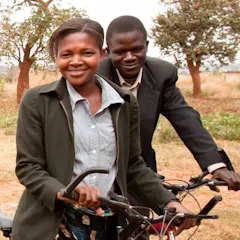
All recent Republican presidents have cut off foreign aid tied to abortion. Trump’s expansive version of those restrictions endangers billions slated for HIV/AIDS, malaria and other diseases.
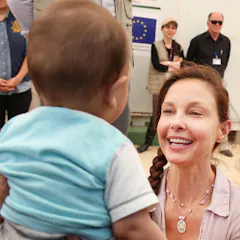
Contraception saves lives, and U.S. spending on it abroad had an unintended upside when it formed the backbone of early HIV prevention efforts.
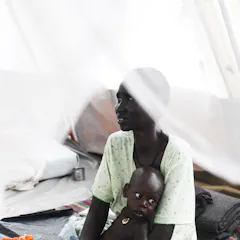
Tuberculosis transmitted from animals to humans is a growing concern in poor countries. As we observe World Tuberculosis Day, it’s worth asking why.
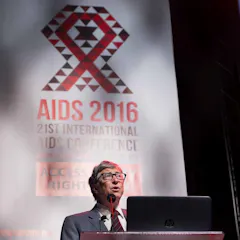
Bill Gates, who has been identified as the world’s most significant donor in the fight against AIDS, shares his thoughts on the pandemic with Africa’s most prominent HIV/AIDS academics.
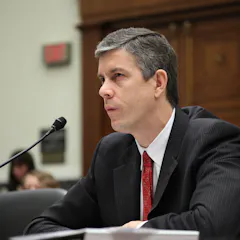
By bringing private advocates to the fore in education, Arne Duncan further opened public education to privatized influences.
Top contributors
-

Professor of Political Science, Fordham University
-
Professor of Public Administration, Binghamton University, State University of New York
-
Frey Foundation Chair for Family Philanthropy, Grand Valley State University
-
Bob and Carol Mattocks Distinguished Professor in Nonprofit Leadership, North Carolina State University
-
Associate Professor of Philosophy and UNESCO Chairholder in AI Ethics & Governance, IE University
-
Director, Centre for Philanthropy, University of Kent
-
Daniel Patrick Moynihan Senior Lecturer in Public Policy and Public Finance, Harvard Kennedy School
-
Lecturer in International Relations, University of Sydney; City St George's, University of London
-
Research Associate of Philanthropy, Women's Philanthropy Institute; Doctoral student of Philanthropy, Indiana University
-
Research Systems Manager, African Academy of Sciences
-
Professor of International Development, The University of Western Australia
-
Senior Lecturer, Department of Media and Communications, Faculty of Arts and Social Sciences, University of Sydney
-
Interim Director of the Women's Philanthropy Institute, Indiana University
-
Doctoral Student Educational Leadership & Policy Studies, Arizona State University
-
Vice-Chancellor, SOAS, University of London