

UK supermarket chains have dropped the use of “best before” date labels to reduce the amount of food being thrown out when it’s still perfectly edible. It’s just as big a problem in Australia.
Articles on Better Cities
Displaying 361 - 380 of 397 articles
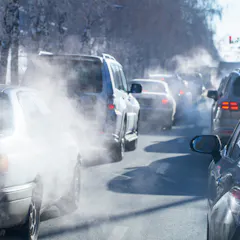
Air pollution from traffic causes the deaths of thousands of Australians. A swift transition to electric vehicles will save lives – and save households and businesses money in the long run.

The city is a A$725 billion wall-like structure running for 170km across the Saudi Arabian landscape. Can it live up to its huge ambitions?

We’ve heard all the concerns about switching to electric cars before. But California, a market with many similarities, shows why Australia is well placed to accelerate its transition.
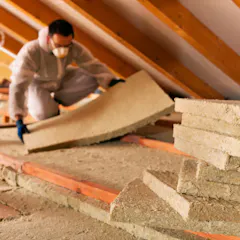
Past claims about the costs of 5-star and then 6-star home energy ratings were overblown. We are hearing similar claims about the new 7-star standard, but good design makes it a good deal for owners.

Heat pumps use a fraction of the energy of traditional electric or gas heaters, which means they slash both energy costs and emissions.

It’s impossible to escape exposure to microplastics and a new study confirms they’re in household dust around the world. But the health risks appear surprisingly low, and vacuuming makes a difference.
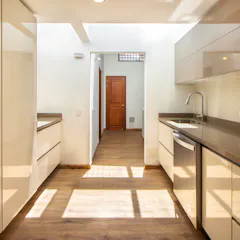
The proportion of housing that’s unoccupied has actually fallen since the last census, but the key issue is most of these dwellings are not in the areas where the need for housing is greatest.
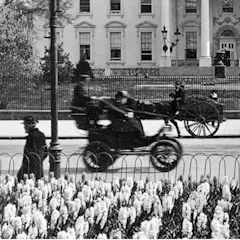
Electric vehicles were around long before their fossil fuel rivals. They are also set to outlast them because of advantages their advocates noted as early as a century ago.
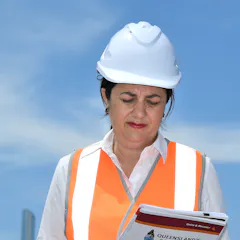
Australian politicians have a history of opting for high-cost, high-emissions desalination projects. The Queensland government is still wary of using the largely untapped resource of recycled water.
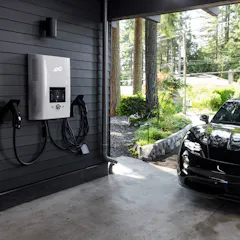
The first upgrade to minimum energy-efficiency standards in a decade will cut emissions and energy costs for the 5.5 million houses to be built by 2050. Retrofitting homes is an equally urgent task.
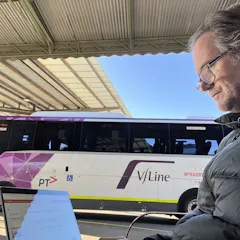
Can we now work from anywhere with an internet connection? We interviewed workers who left the city but held onto their jobs to see how they fared. One year on, some had no regrets. Others moved back.

A survey of more than 2,000 people as Melbourne reopened after COVID lockdowns shows the pandemic and digital technology have made the city less a place of work, more a place to visit now and then.

Investing in housing means providing a home. National tenancy reforms are reshaping the role of landlords to reflect this responsibility.
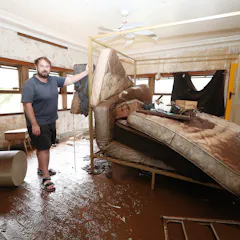
The long delays in housing displaced flood victims point to the need to develop a permanent reserve of temporary housing to be available wherever and whenever disaster strikes.
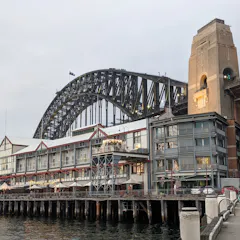
Our urban heritage should be allowed to evolve and adapt to the values and needs of today. It’s the best way to avoid neglect and decay, while enabling this heritage to help make cities sustainable.
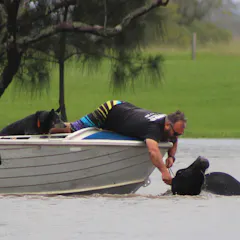
While well-meaning, it’s unclear whether the benefits of training community members to respond to disasters outweigh the risks.

A new Australian documentary gives voice to the women in urgent need of policy action on housing insecurity and homelessness.

Tenants are rarely allowed to make permanent changes to a house. And many landlords know little about the conditions tenants endure, but most who do retrofit homes do it to improve renters’ comfort.

Beautiful shopping streets attract people — and that’s good for business. Images of ten reimagined local shopping streets show how they can become the beautiful hearts of their local communities.
Top contributors
-

Associate Professor in Property, Construction and Project Management, RMIT University
-
Associate Deputy Vice Chancellor in Research & Innovation, RMIT University
-
Emeritus Professor of Housing, UNSW
-
Professor of Transport Technology and Sustainability, Swinburne University of Technology
-
Adjunct Professor of Transport, University of Technology Sydney
-
Professor of Housing Research, Adelaide University
-
Research Associate, HHAUS research group, Swinburne University of Technology
-
Honorary Professor of Planning, The University of Queensland
-
Alan Morris is a Friend of The Conversation.
Professor, Institute for Public Policy and Governance, University of Technology Sydney
-
Honorary Professor, School of Natural Sciences, Macquarie University
-
Professor of Housing & Social Policy, HHAUS Housing, Homelessness & Urban Studies, Swinburne University of Technology
-
Professor of Planning and Director of Urban Transformations Research Centre, Western Sydney University
-
Senior Lecturer in Urban Planning, University of Auckland, Waipapa Taumata Rau
-
Associate Professor in Housing, School of Property, Construction and Project Management, RMIT University
-
Adjunct Research Fellow, School of Human Sciences, The University of Western Australia