Jenni Henderson, The Conversation and Josh Nicholas, The Conversation
Business Briefing: the science of business decision making
The Conversation14.3 MB(download)
Research shows paying people more can actually lead to worse decisions. Getting the best results from executives requires understanding our complex motivations
Basing purchasing decisions solely on online product reviews may be unwise.
www.shutterstock.com
Online ratings and reviews may seem like a good way to see what other consumers think of a product but they can be to simplistic and misleading, research shows.
Rapid rise of Australian house prices have created disagreement between economists on whether a housing bubble currently exists.
Brian Birdwell/flickr
This episode explores how one person's waste can be another's treasure. We talk to scientists trying to eke something useful out of big piles of rubbish and discuss making the economy more circular.
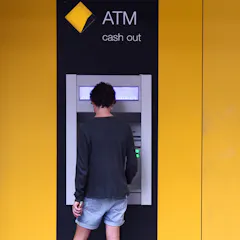
Even when bank customers have a very good reason to switch, research shows they’re often reluctant to make the move.
AAP/Paul Miller
Bank customers usually stay with their bank despite scandals in the sector, however new tech that gives consumers more information might help them switch.
Stories can have a profound effect on our behaviour.
Shutterstock
History shows us that narratives play an important role in market behaviour. But new research shows that all it takes is a simple story that matches our preconceived notions.
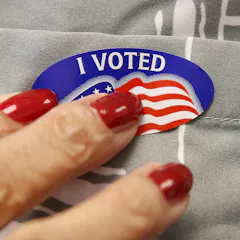
As Election Day approaches, candidates in races across the country will be doing everything they can to get out the vote – including turning to behavioral science.
The thousands of Wells Fargo low-wage employees who defrauded customers likely knew how it felt to face unfair overdraft fees or a deteriorating credit rating. So why did they do it?
Counting is hard.
Anssi Koskinen via Wikimedia Commons
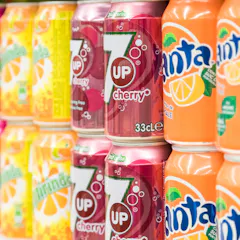
Educating people about the dangers of sugary drinks has little impact on their consumption and taxing them is unpopular. Luckily, there is a third way.
There are obvious and hidden agendas behind what the budget incentivises.
Zoë Hoornaert/Flickr
Ivo Vlaev, Warwick Business School, University of Warwick
Excessive drinkers are more likely to seek help when their drinking habits are compared with their peers than when they are simply given the guidelines.
The Paris climate deal has been criticised for not being strong enough. But behavioural economics studies show weak deals can work out better in the long run.