

Differences in beliefs may not be what drives people apart. A belief that someone else is wrong may be the stronger force.
Articles on Behavioral science
Displaying 1 - 20 of 43 articles

You don’t need to be a rebel to defy. Defiance isn’t about personality, it’s a practice – one that’s becoming essential in workplaces, politics and everyday life.

Old-school parenting strategies like ‘go to your room!’ can often amplify the very behavior that parents want to correct.
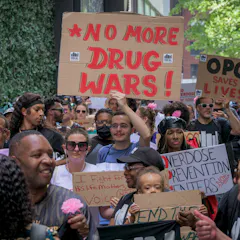
Incarcerating people who use drugs is associated with increased overdose deaths after release and high rate of recidivism.

A global study seeks insights into what helps people feel happy, healthy and satisfied – and what holds them back.
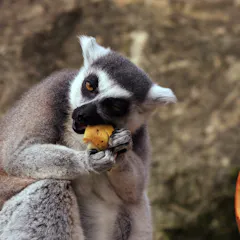
Animals can be born with genetic or developmental issues that make it hard for them to live normal lives. They also can develop mental health problems in response to conditions around them.

Equipped with a rodent version of a Cybertruck, these driving rats reveal that positive experiences may sculpt the brain just as powerfully as stressful ones

A researcher explains how couples can create a sense of ‘our money’ while keeping a sense of financial autonomy.
The idea of gently tweaking our behaviour still makes political sense.

How much does human behavior influence climate change? Can it be changed, and how? In June, climate change experts and behavioral scientists came together to answer these important questions.
In a study with people as young as 4 years old, participants underestimated how much others would appreciate their good deeds.

Mirrors, selfies and knowing other people are looking at you all cause people to think of themselves as objects. Video calls are all three in one and are likely increasing the harms of self-objectification.
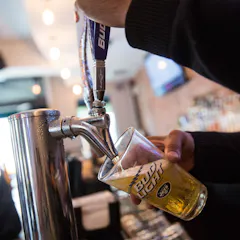
Governments and companies are using incentives in hopes of getting more Americans to get a COVID-19 shot. A behavioral economist explains how they work.

‘Sex addiction’ isn’t a diagnosable disorder, but the turmoil religious men feel over the disconnect between their sexual values and behavior can lead to real psychological distress.
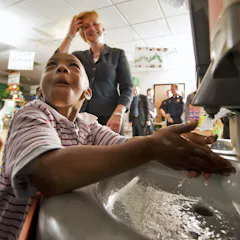
Policymakers need to figure out ways to sustain the behaviors that are helping flatten the curve as cities begin to end their lockdowns.

Policymakers need to figure out ways to sustain the behaviors that are helping flatten the curve as cities begin to end their lockdowns.
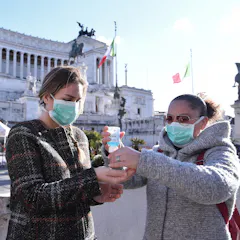
Behavioral economists explain how widespread use of face masks, hand sanitizer and other preventive measures could counterintuitively encourage riskier behaviors around coronavirus.

The flu shot is a bargain – and people are more likely to get it if they know that.
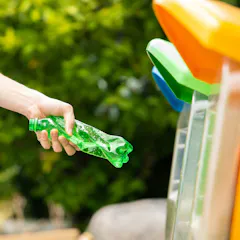
Americans recycle only about one-third of the solid waste we generate. A behavioral scientist argues that with the right motivators, we could do more.

Some Californians want to ban people from living in wildfire-prone areas. Behavioral economics offers a less heavy-handed approach to reducing the costs and risks.
Top contributors
-

Professor of Economics and Psychology, Carnegie Mellon University
-
Harvard University
-
Professor of Law, University of Oregon
-
Professor of Psychology, Carnegie Mellon University
-
Associate Professor of Marketing, Washington University in St. Louis
-
Assistant Professor of Marketing, Northeastern University
-
Researcher in Public Health, San Diego State University
-
University Professor, Harvard University
-
Research fellow, BehaviourWorks Australia, Monash Sustainable Development Institute, Monash University
-
Postdoctoral Researcher in Psychology, Harvard University
-
Adjunct Research Fellow, School of Human Sciences, The University of Western Australia
-
Research Fellow, Harvard University
-
Assistant Professor of Psychology, Ripon College
-
Postdoctoral Researcher, Princeton University
-
PhD Student in Psychology and Brain Sciences, Johns Hopkins University