
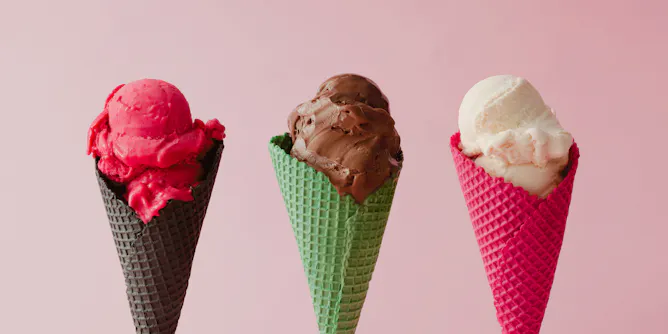
New research on consumer behavior shows that we tend to match some types of choices the people around us make, but not others.
Articles on Behavioral science
Displaying 21 - 40 of 43 articles
Uber’s IPO will value the company at more than $80 billion, yet the data it collects on its users may be worth even more – and creates the potential for dangerous manipulation.
Software makers including Apple have been creating apps aimed at limiting how much time we spend using our smartphones. A behavioral scientist explains how – and whether – they work.
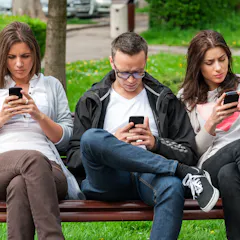
Americans are spending almost three and a half hours on their phones and tablets every day, twice the amount just five years ago. A behavioral scientist offers a few tips on how to take control.
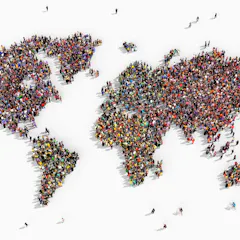
Ninety percent of psychology studies come from countries representing less than 15 percent of the world’s population. Researchers are realizing that universalizing those findings might not make sense.
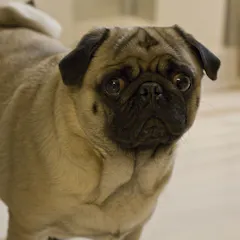
Many dog owners have tales of their faithful companion licking away their tears. Researchers investigated whether, beyond being comforting, canines would actually take action to help an upset owner.
It’s a psychological quirk that when something becomes rarer, people may spot it in more places than ever. What is the ‘concept creep’ that lets context change how we categorize the world around us?
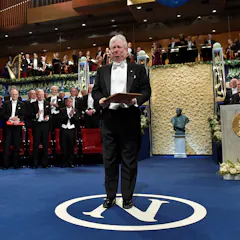
After two Nobel prize wins for behavioral economists, the burgeoning field has demonstrated its importance in shaping effective economic and government policy.
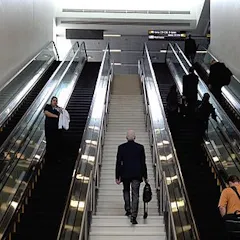
Dropping old, bad habits is hard, but starting new, good ones may not be so difficult. Or so a recent study suggests. Read how a simple sign at an airport made a difference.
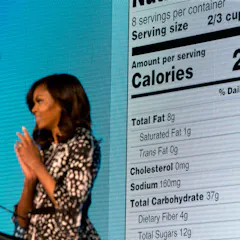
Government initiatives to prod people to make better decisions got a lot of attention after Richard Thaler won a Nobel in economics for his working on nudging.
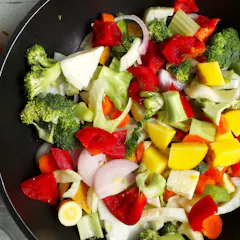
A lot of money is spent by food producers and retailers to try and influence the type of food we buy and eat. But what can be done to encourage healthier choices?
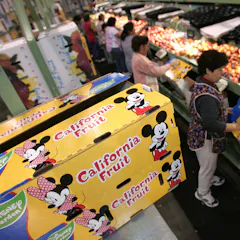
Defaults are powerful tools that policymakers and marketers can use to nudge us to make certain choices, whether in our interest or in theirs. How do we ensure they’re used responsibly?

Should you go with your gut when hiring an employee or making another decision on the job? The research suggests that in most cases, probably not.
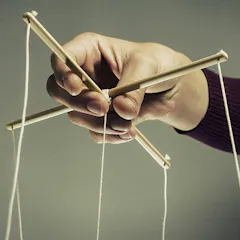
Dozens of governments have been using the insights from the burgeoning field to ‘nudge’ citizens in ways that improve their well-being. But some worry Trump might use it for less altruistic ends.
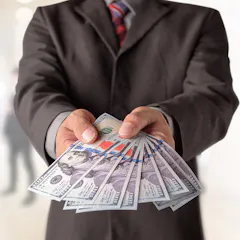
Research suggests the answer, surprisingly, may be no, but behavioral science offers a few ways to encourage the wealthy to open their wallets a little wider.
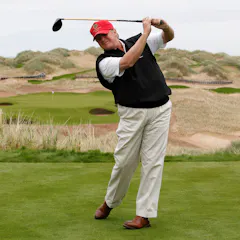
The president-elect doesn’t think his extensive business and other conflicts will be a problem when he’s president. Research suggests it’s because of a behavioral bias that affects us all.
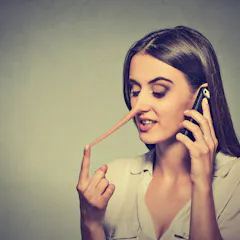
Once you’ve been dishonest, it’s harder to stop – here’s why.
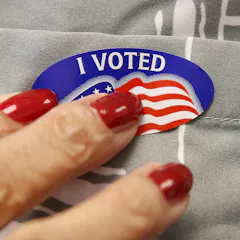
As Election Day approaches, candidates in races across the country will be doing everything they can to get out the vote – including turning to behavioral science.

The thousands of Wells Fargo low-wage employees who defrauded customers likely knew how it felt to face unfair overdraft fees or a deteriorating credit rating. So why did they do it?

What happens when you ‘brown-nose’ your boss is more complicated than you think – and can change how she’s perceived by colleagues.
Top contributors
-

Professor of Economics and Psychology, Carnegie Mellon University
-
Harvard University
-
Professor of Law, University of Oregon
-
Professor of Psychology, Carnegie Mellon University
-
Associate Professor of Marketing, Washington University in St. Louis
-
Assistant Professor of Marketing, Northeastern University
-
Researcher in Public Health, San Diego State University
-
University Professor, Harvard University
-
Research fellow, BehaviourWorks Australia, Monash Sustainable Development Institute, Monash University
-
Postdoctoral Researcher in Psychology, Harvard University
-
Adjunct Research Fellow, School of Human Sciences, The University of Western Australia
-
Research Fellow, Harvard University
-
Assistant Professor of Psychology, Ripon College
-
Postdoctoral Researcher, Princeton University
-
PhD Student in Psychology and Brain Sciences, Johns Hopkins University