
From AI models to synthetic DNA screening and outbreak surveillance, there are several points where emerging biological risks could be reduced.
Articles on Bacteriophage
Displaying 1 - 20 of 26 articles
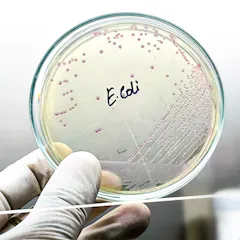
AI helped design a working virus that kills bacteria. Researchers explain what it could mean for the fight against antibiotic resistance.
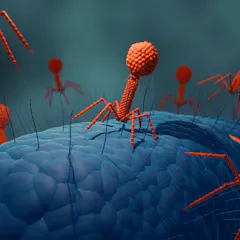
Researchers used AI to design working bacteriophages for the first time, raising questions about antibiotic resistance and biosecurity.
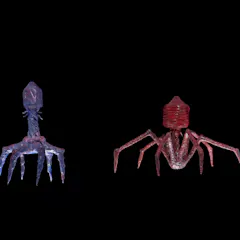
As antibiotic resistance grows, scientists are turning to bacteriophages, viruses that target harmful bacteria without wiping out beneficial microbes.

Scientists found an unexpected viral hitchhiker lurking inside a common gut bacterium – and it was twice as prevalent in people with colorectal cancer.
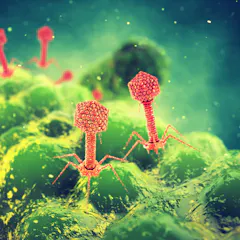
The viruses that kill bacteria may be our best bet against antibiotic resistance – if we can understand how they win.

Every time you shower, you are coating yourself with the showerhead bacteria and the viruses that prey on them.
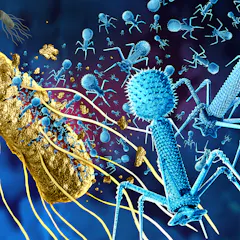
Viruses known as ‘phages’ might become an essential tool, as antibiotic-resistant bacteria threaten conventional remedies.

Personalized medicine is a promising treatment for recurrent cancer and superbugs, but it is labour-intensive and expensive, and pathways for its regulatory approval and reimbursement are complicated.
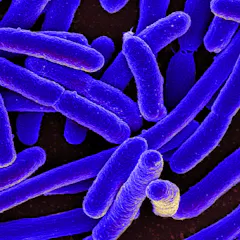
The Nobel Prize-winning Luria−Delbrück experiment showed that random mutations in bacteria can allow them to develop resistance by chance.
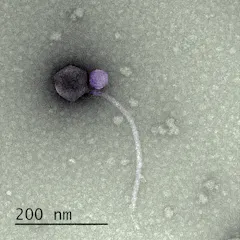
Researchers discovered a satellite virus latching onto the neck of another virus called MindFlayer. Studying the viral arms race between similar viruses could lead to new ways to fight infections.

Babies guts found to have ten times as many viral species as bacterial species.

Financial support for science and research in Nigeria remains pathetic. This has led to the deterioration in the quantity and quality of trained virologists at universities.
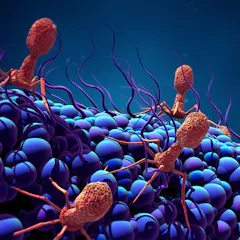
Phages, or viruses that infect bacteria, can lie dormant within chromosomes until they’re triggered to replicate and burst out of their hosts.
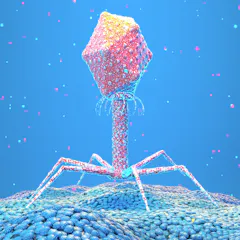
Viruses have gotten a bad rap for the many illnesses and pandemics they’ve caused. But viruses are also genetic innovators – and possibly the pioneers of using DNA as the genetic blueprint of life.
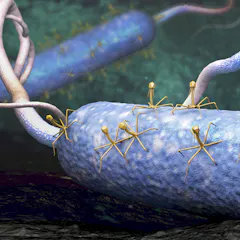
As the world has focused on the COVID-19 pandemic, other microbial foes are waging war on humans. Antibiotic-resistant bacteria pose a growing threat. But viruses may defeat them.
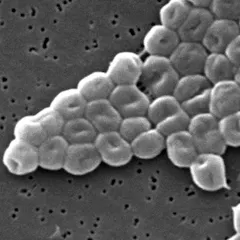
We found a new way to revert antibiotic resistance. It involves using phage therapy to resensitise a type of bacteria to antibiotics.
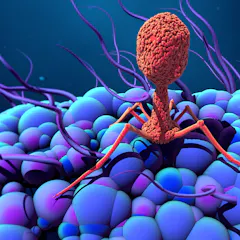
While a few are killers, viruses are actually important to human health and incredibly useful in medicine.
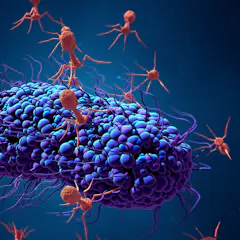
Bacteriophages are viruses that infect bacteria. But could they be key in solving the antibiotic resistance epidemic?
While some viruses make us sick, others can fight against bacteria, or protect us from more harmful viruses.
Top contributors
-

Professor of Biological Sciences, University of Maryland, Baltimore County
-
Director of Microbiology, University of California, San Diego
-
Visiting Scientist, The Rockefeller University
-
Senior Lecturer in School of Biological Sciences, Microbiology, Monash University
-
Lecturer in Bacteriophage Bioinformatics, University of Leicester
-
Senior Lecturer, Medical Microbiology, University of Westminster
-
Professor of Microbiology, University of Leicester
-
Postdoctoral Fellow in Precision Medicine and Emerging Biotechnologies, Arizona State University
-
Professor of Molecular Biology & Microbiology, Tufts University
-
Postdoctoral researcher in Microbiology and Bioinformatics, University College Cork
-
Research Assistant, University of Canberra
-
Professor of Biocchemistry and Biomedical Sciences, McMaster University
-
Master's student in the Biomedical Discovery and Commercialization program, McMaster University
-
Postdoctoral Fellow in Molecular Microbiology, University of Otago
-
Senior Lecturer in Clinical Microbiology, University of Leicester