
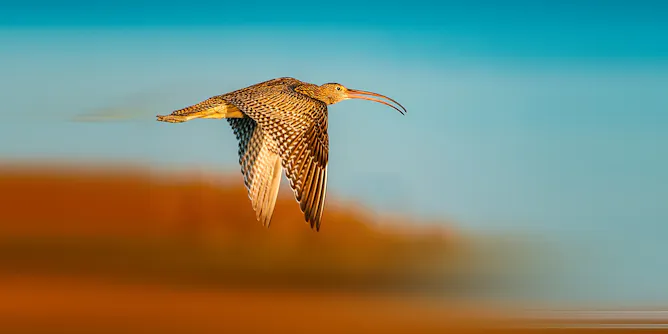
From September onwards, migratory birds will arrive on Australian shores. If one is carrying the lethal bird flu, it could devastate our birdlife
Articles on Avian flu H5N1
Displaying 61 - 80 of 97 articles
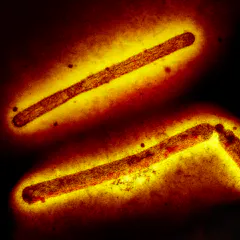
Avian influenza — commonly known as ‘bird flu’ — is infecting domestic and wild birds in Canada and around the world.
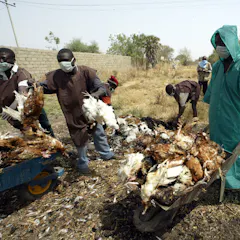
Bird flu has been recurring in Africa since 2006 and Nigeria is heavily affected. High-level biosecurity measures are required to keep people and animals safe.

Avian influenza viruses have evolved to infect birds, but the current H5N1 outbreak is also infecting a wide range of mammals. This suggests that it could mutate into forms that threaten humans.

While a small proportion of people have become ill while in contact with infected birds, there is no evidence it has spread from human to human.

A biologist who studies how viruses spread from animals to people explains the process of spillover and the risks posed by the new bird flu that has spread across the globe.
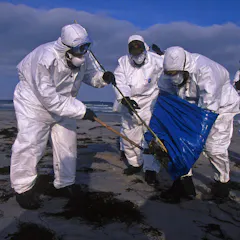
Bird flu has been confirmed in four dead seals in Scotland.
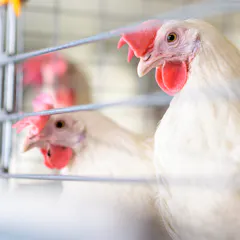
The UK government has set up a special task force to investigate.

Hunters are warned to take precautions handling wild birds, and the virus can spill over to non-avian species, so no one should approach wild animals that appear ill.
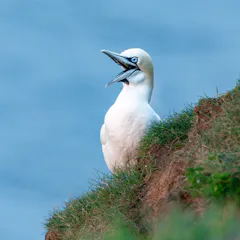
Seabirds seem to be particularly at risk.
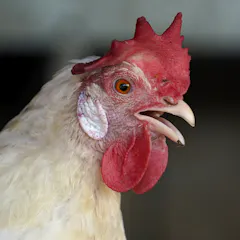
Avian influenza virus — or bird flu — can infect domestic poultry such as chickens and turkeys, as well as wild birds. The H5N1 strain has been identified in Canada.
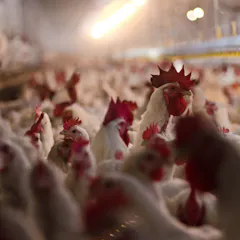
Bird flu is highly contagious in domestic flocks, and a major outbreak is underway in the US. A veterinary scientist explains what consumers need to know.
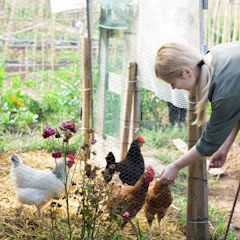
Bird flu spreads to humans through close contact with infected birds.
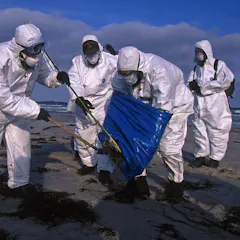
Each year in spring and summer, waterbirds mingle on their breeding grounds in Siberia and mix their flu viruses, creating new variants they then bring to Europe, Asia and Africa.
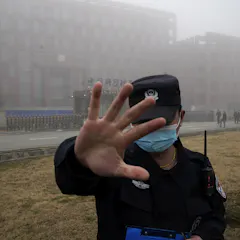
Gain-of-function studies make a natural virus more dangerous or transmissible to humans. Could the Wuhan Institute of Virology be the source of SARS-CoV-2?
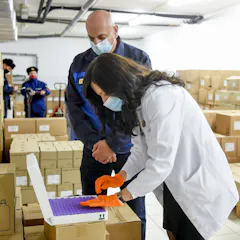
Selfishness was also a problem when the world was developing vaccines for swine flu and bird flu.

A scientific question fascinates experts : under which conditions can bird flu virus be transmitted to humans by aerial particles, and what will be the consequences for those who aren’t immune?
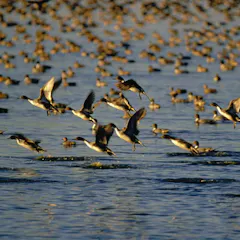
Since regular monitoring for avian influenza viruses started, several subtypes that have been circulating - but not all pose a threat to humans.
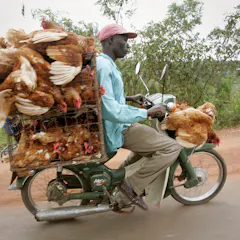
Studies of animal-human interactions in various settings could perhaps help prevent bird flu and the mass slaughter of animals it inevitably leads to.

One of the biggest recent controversies in medicine involves the effectiveness of the antiviral drug Tamiflu. Governments have stockpiled the drug but many have raised doubts about its usefulness.
Top contributors
-

Senior Lecturer in Southern Ocean Vertebrate Ecology, Institute for Marine and Antarctic Studies, University of Tasmania
-
Senior research fellow, The University of Melbourne
-
Anthropologie, EHESS, CNRS, Laboratoire d'anthropologie sociale, Collège de France, Auteurs historiques The Conversation France
-
Professor and Webster Family Chair in Viral Pathogenesis, University of Otago
-
Professor, MRC-University of Glasgow Centre for Virus Research, University of Glasgow
-
Catedrático de Microbiología. Miembro de la Sociedad Española de Microbiología (SEM), Universidad de Navarra
-
Professor of Immunology and Associate Dean, Research and Graduate Studies, University of Guelph
-
Associate Professor of Biodiversity and Ecosystem Management, University of Leeds
-
Assistant Professor (McGill University - Animal Sciences), Adjunct Professor (University of Guelph - OVC), University of Guelph
-
Associate Professor of Veterinary Medicine, Iowa State University
-
Professor of Global Biosecurity, NHMRC L3 Research Fellow, Head, Biosecurity Program, Kirby Institute, UNSW
-
Associate Research Professor of Food Science, Penn State
-
Executive Director, Global Nexus and M.G. DeGroote Institute for Infectious Disease Research, McMaster University
-
Professor and Tier 1 Canada Research Chair in Global Health Governance; Scientific Co-Director, Bridge Research Consortium, Simon Fraser University
-
Public Health Pathology, NSW Health Pathology, Westmead Hospital and University of Sydney, University of Sydney