
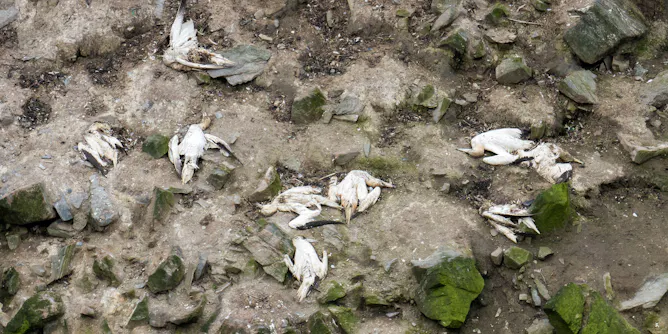
H5N1 isn’t well adapted to humans, so person-to-person spread is not a worry – for now.
Articles on Avian flu H5N1
Displaying 41 - 60 of 97 articles
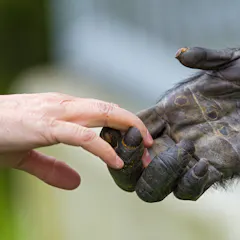
Infectious diseases can spill over from animals to humans as well as spill back. Each cross-species transmission gives pathogens a chance to evolve and spread even further.
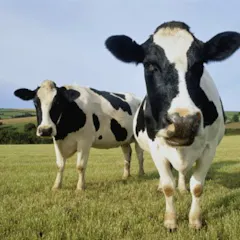
The H5N1 virus has infected about 900 people since 2003, and more than half of them died. But so far there is no evidence of human-to-human transmission.

We actually already have some vaccines against bird flu. But scientists are working on vaccines that could be adapted more easily as the virus changes.

H5N1 is the latest evidence that climate change is altering how viruses spread and evolve. It is essential that global public health officials take these dynamics into account.

Raw milk has always carried the risk of serious illness, and this risk has only risen with bird flu spreading across dairy farms in the US.
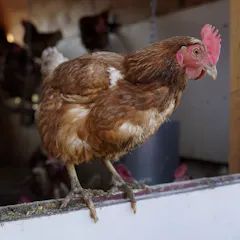
Our approach to combating pandemics must shift to one that prioritizes prevention of human infections with zoonotic viruses, rather than focusing on rapid response once human infection is widespread.
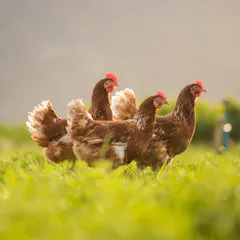
Contact tracing didn’t identify any cases beyond this child. While the risk to the public is very low, the global situation with bird flu is precarious.

Migratory birds could bring the lethal bird flu variant that is assailing the rest of the world’s birds.

Before World War II, pathogens in milk accounted for 1 in 4 cases of foodborne diseases in the US. Pasteurization reduced this figure to less than 1%.
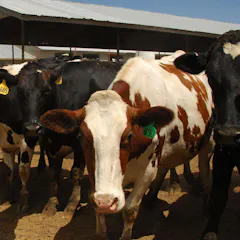
A veterinarian and epidemiologist who studies infectious diseases in dairy cows discusses the outbreak, how cows recover and what the government is doing to keep the milk supply safe.
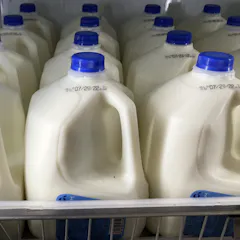
H5N1 influenza has been reported in dairy cows, and detected in milk. Here’s a look at what’s known about how pasteurization affects the virus and the safety of consuming H5N1-contaminated milk.
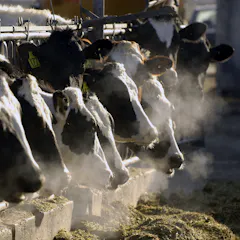
Five livestock experts who study infectious diseases in the dairy industry explain the risks.
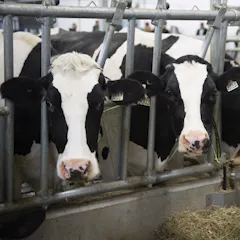
Bird flu in U.S. dairy cows has Canadian public health experts on high alert. With one human case identified in Texas, what is the likelihood of H5N1 influenza moving from birds to mammals to people?
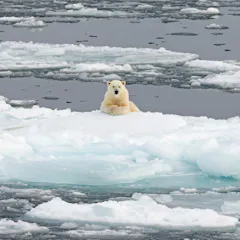
Avian influenza has killed a polar bear and may have infected other bears.

A deadly strain of bird flu is circulating in animals. So far the virus has been detected in seabirds on islands near Antarctica. What does this mean for wildlife, tourism and research?
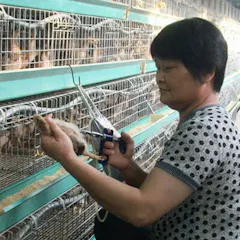
Vaccination against bird flu offers farmers hope, rather than being caught between the anguish of finding a sick bird and the desolation of having to slaughter their entire flock.

The first sign of a new bird flu might be a dead seabird or marine mammal. Better surveillance of migratory birds and wildlife – and better public awareness – is crucial.
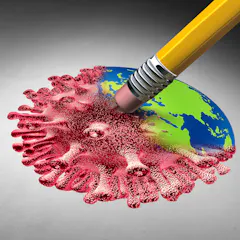
After previous public health emergencies likes SARS and H1N1, there was renewed investment in pandemic preparedness, but it was not sustained. We cannot make the same mistake after COVID-19.

From cancer immunotherapy and antibiotics to GMO crops and pandemic surveillance, gain of function is a cornerstone of basic research.
Top contributors
-

Senior Lecturer in Southern Ocean Vertebrate Ecology, Institute for Marine and Antarctic Studies, University of Tasmania
-
Senior research fellow, The University of Melbourne
-
Anthropologie, EHESS, CNRS, Laboratoire d'anthropologie sociale, Collège de France, Auteurs historiques The Conversation France
-
Professor and Webster Family Chair in Viral Pathogenesis, University of Otago
-
Professor, MRC-University of Glasgow Centre for Virus Research, University of Glasgow
-
Catedrático de Microbiología. Miembro de la Sociedad Española de Microbiología (SEM), Universidad de Navarra
-
Professor of Immunology and Associate Dean, Research and Graduate Studies, University of Guelph
-
Associate Professor of Biodiversity and Ecosystem Management, University of Leeds
-
Assistant Professor (McGill University - Animal Sciences), Adjunct Professor (University of Guelph - OVC), University of Guelph
-
Associate Professor of Veterinary Medicine, Iowa State University
-
Professor of Global Biosecurity, NHMRC L3 Research Fellow, Head, Biosecurity Program, Kirby Institute, UNSW
-
Associate Research Professor of Food Science, Penn State
-
Executive Director, Global Nexus and M.G. DeGroote Institute for Infectious Disease Research, McMaster University
-
Professor and Tier 1 Canada Research Chair in Global Health Governance; Scientific Co-Director, Bridge Research Consortium, Simon Fraser University
-
Public Health Pathology, NSW Health Pathology, Westmead Hospital and University of Sydney, University of Sydney