
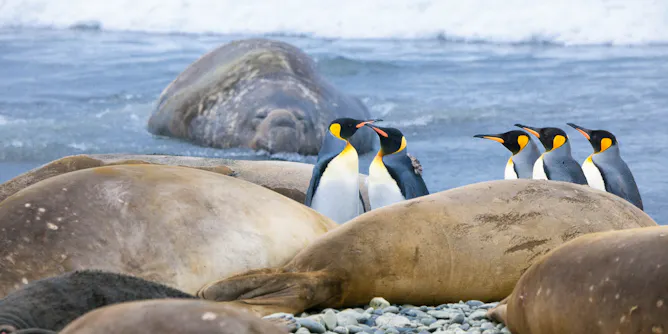
A deadly strain of bird flu is circulating in animals. So far the virus has been detected in seabirds on islands near Antarctica. What does this mean for wildlife, tourism and research?
Articles on Avian flu
Displaying 41 - 60 of 86 articles
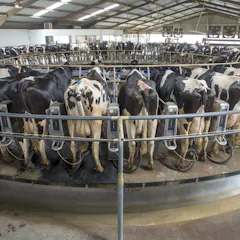
South Africa’s biosecurity breaches signal capacity challenges in farm biosecurity measures and the country’s veterinary and related support services.
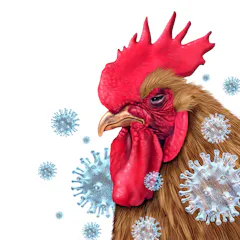
The three flu pandemics of the 20th century originated from birds, making it critical to fight bird flu. Breakthroughs in gene-editing chickens show promise for eliminating the disease in the future.
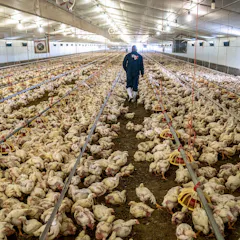
New and innovative thinking is needed to deal with the reality on the ground in South Africa.
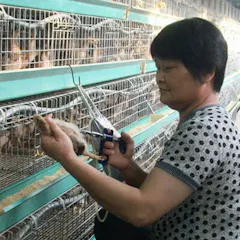
Vaccination against bird flu offers farmers hope, rather than being caught between the anguish of finding a sick bird and the desolation of having to slaughter their entire flock.
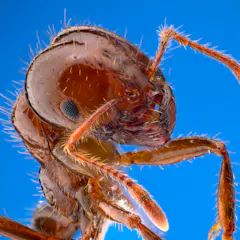
Australia’s biosecurity system is on high alert for alien invaders. Here’s a hit list of eight baddies we believe pose the greatest threat to Australia’s biodiversity.

The first sign of a new bird flu might be a dead seabird or marine mammal. Better surveillance of migratory birds and wildlife – and better public awareness – is crucial.
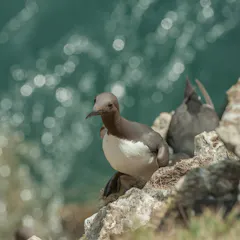
Studying a guillemot colony for 50 years has provided unique insights into how climate change and oil spills affect seabird populations.
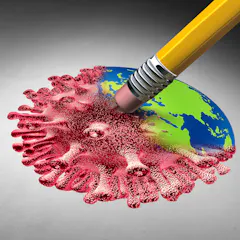
After previous public health emergencies likes SARS and H1N1, there was renewed investment in pandemic preparedness, but it was not sustained. We cannot make the same mistake after COVID-19.

From September onwards, migratory birds will arrive on Australian shores. If one is carrying the lethal bird flu, it could devastate our birdlife
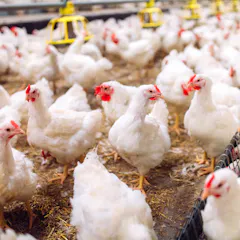
This latest outbreak has been deadly for many millions of birds. The risk to humans, however, is very low.
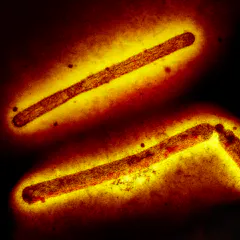
Avian influenza — commonly known as ‘bird flu’ — is infecting domestic and wild birds in Canada and around the world.
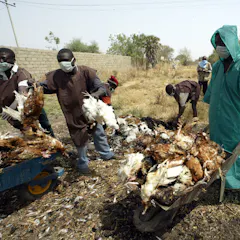
Bird flu has been recurring in Africa since 2006 and Nigeria is heavily affected. High-level biosecurity measures are required to keep people and animals safe.

Avian influenza viruses have evolved to infect birds, but the current H5N1 outbreak is also infecting a wide range of mammals. This suggests that it could mutate into forms that threaten humans.
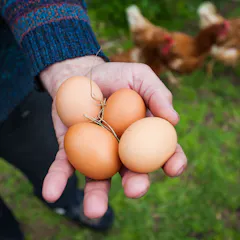
Though preferable to battery farms, free-range eggs are not as safe and ethical as customers think.
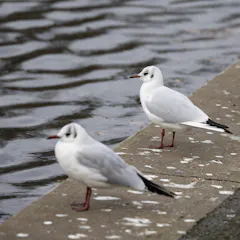
While a small proportion of people have become ill while in contact with infected birds, there is no evidence it has spread from human to human.

A biologist who studies how viruses spread from animals to people explains the process of spillover and the risks posed by the new bird flu that has spread across the globe.

Why are Australian black swans so quick to die from bird flu? A new genome study comparing them to their bird brethren helps to unravel the mystery.
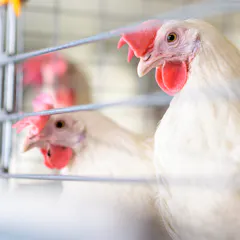
The UK government has set up a special task force to investigate.

Hunters are warned to take precautions handling wild birds, and the virus can spill over to non-avian species, so no one should approach wild animals that appear ill.
Top contributors
-

Professor of Global Biosecurity, NHMRC L3 Research Fellow, Head, Biosecurity Program, Kirby Institute, UNSW
-
Senior research fellow, The University of Melbourne
-
Research assosciate MRC University of Glasgow Centre for Virus Research, UNSW
-
Anthropologie, EHESS, CNRS, Laboratoire d'anthropologie sociale, Collège de France, Auteurs historiques The Conversation France
-
Professor and Webster Family Chair in Viral Pathogenesis, University of Otago
-
Associate Professor | Director, DNA Zoo Australia, The University of Western Australia
-
Associate Professor of Veterinary Medicine, Iowa State University
-
Professor of Immunology and Associate Dean, Research and Graduate Studies, University of Guelph
-
Distinguished Professor of Infectious Disease Epidemiology and Public Health, Te Kunenga ki Pūrehuroa – Massey University
-
Professor of Immunology and Infection, Edinburgh Napier University
-
Associate Professor of Civil & Environmental Engineering, University of Michigan
-
Research Fellow, Pandemics & Borders Project, Simon Fraser University
-
Senior Research Associate, Global Biosecurity, UNSW
-
Senior lecturer, specialist poultry veterinarian, University of Pretoria
-
Senior Fellow, Department of Agricultural Economics, Stellenbosch University