
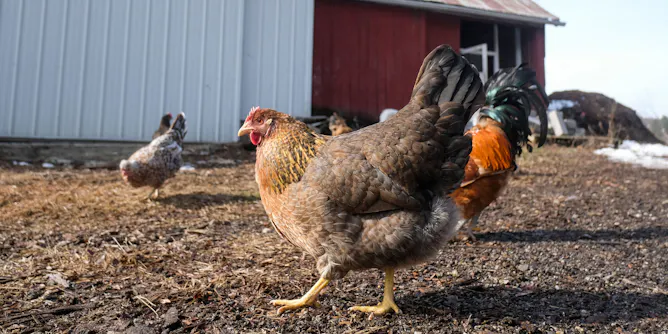
Officials have confirmed eight new outbreaks in Michigan poultry flocks since mid-December.
Articles on Avian flu
Displaying 21 - 40 of 86 articles
Conservation volunteers could provide a crucial defence line against bird flu outbreaks in New Zealand by ensuring early detection.
New laws in Canada will make it harder for whistleblowers to shed light on cruelty and malpractice in animal agriculture — and will hinder efforts to prevent the next global pandemic.

Rather than winging it when an unusual health event crops up, health officials take a systematic approach. The goal is to quickly figure out what’s going on and squash any outbreak before it spreads.
Pigs are an ideal ‘mixing vessel’ for avian and human viruses.

Millions of migratory birds are arriving on Australian shores this spring. Any one of them could bring the new, deadly strain known as H5N1. Extra government funding will help us prepare and respond.
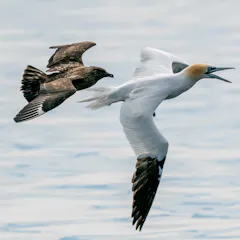
It’s easier to steal another seabird’s meal than catch your own fish. But this behaviour by skuas, frigatebirds and gulls is contributing to the spread of lethal avian influenza
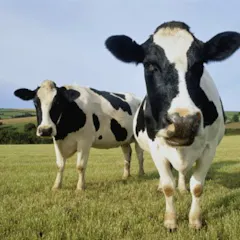
The H5N1 virus has infected about 900 people since 2003, and more than half of them died. But so far there is no evidence of human-to-human transmission.
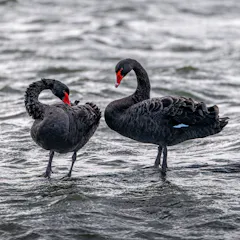
The lethal strain of highly pathogenic bird flu is everywhere – except Australia, New Zealand and the Pacific Islands. Here’s how we’re planning for its arrival

H5N1 is the latest evidence that climate change is altering how viruses spread and evolve. It is essential that global public health officials take these dynamics into account.
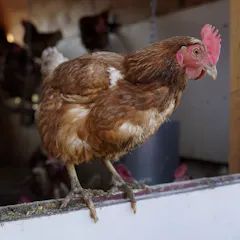
Our approach to combating pandemics must shift to one that prioritizes prevention of human infections with zoonotic viruses, rather than focusing on rapid response once human infection is widespread.
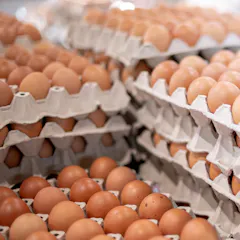
Coles’ decision is likely more of a precautionary move that reflects its own specific supply chain. It will also help deter against panic buying.

Can the virus transfer from infected farm animals to contaminate milk, meat or eggs? It depends on where you are and how well you cook your food. But for most of us, the chances are low.
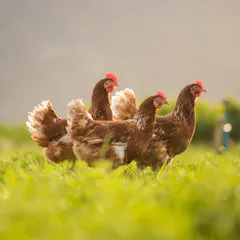
Contact tracing didn’t identify any cases beyond this child. While the risk to the public is very low, the global situation with bird flu is precarious.

Migratory birds could bring the lethal bird flu variant that is assailing the rest of the world’s birds.
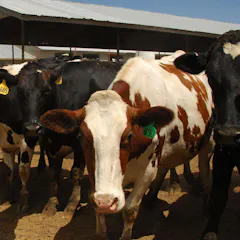
A veterinarian and epidemiologist who studies infectious diseases in dairy cows discusses the outbreak, how cows recover and what the government is doing to keep the milk supply safe.
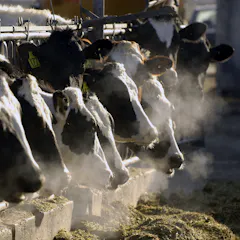
Five livestock experts who study infectious diseases in the dairy industry explain the risks.
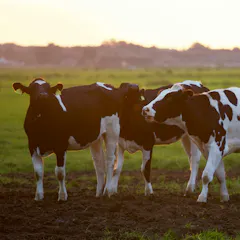
For now there’s no spread of H5N1 between humans, which is good news. But bird flu is evolving, and we need to stay vigilant.
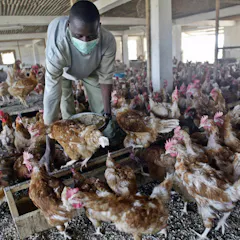
People should minimise contact with birds in areas affected by bird flu viruses, including farms and settings where live animals may be sold or slaughtered.
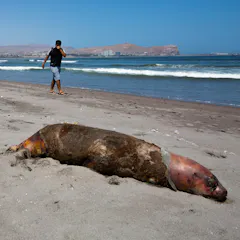
Bird flu is decimating species already threatened by climate change and habitat loss.
Top contributors
-

Professor of Global Biosecurity, NHMRC L3 Research Fellow, Head, Biosecurity Program, Kirby Institute, UNSW
-
Senior research fellow, The University of Melbourne
-
Research assosciate MRC University of Glasgow Centre for Virus Research, UNSW
-
Anthropologie, EHESS, CNRS, Laboratoire d'anthropologie sociale, Collège de France, Auteurs historiques The Conversation France
-
Professor and Webster Family Chair in Viral Pathogenesis, University of Otago
-
Associate Professor | Director, DNA Zoo Australia, The University of Western Australia
-
Associate Professor of Veterinary Medicine, Iowa State University
-
Professor of Immunology and Associate Dean, Research and Graduate Studies, University of Guelph
-
Distinguished Professor of Infectious Disease Epidemiology and Public Health, Te Kunenga ki Pūrehuroa – Massey University
-
Professor of Immunology and Infection, Edinburgh Napier University
-
Associate Professor of Civil & Environmental Engineering, University of Michigan
-
Research Fellow, Pandemics & Borders Project, Simon Fraser University
-
Senior Research Associate, Global Biosecurity, UNSW
-
Senior lecturer, specialist poultry veterinarian, University of Pretoria
-
Senior Fellow, Department of Agricultural Economics, Stellenbosch University