
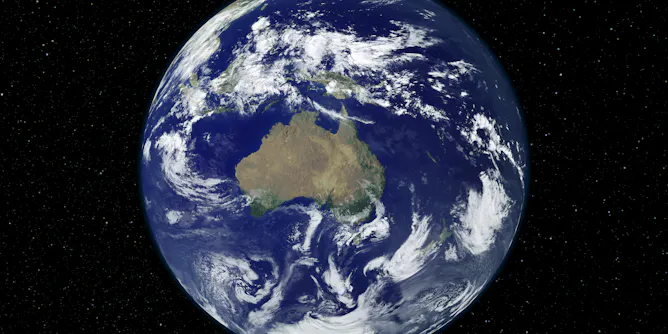
Every single day, space technology impacts our lives. But a new report reveals gaps between what Australians think and what they know about space.
Articles on Australian Space Agency
Displaying 1 - 20 of 32 articles
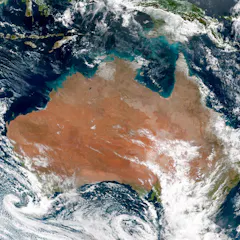
Australia relies on satellites it doesn’t own – which creates a risky situation.
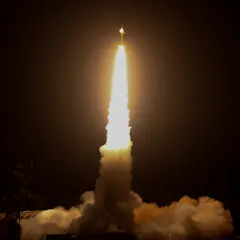
Despite what you may think, Australia has a long history of space activities. But this is the first time the Australian public has been asked its opinions on space.
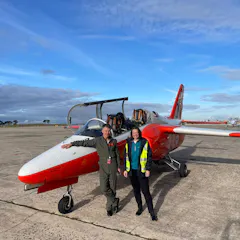
A freefalling ‘parabolic flight’ launched from Essendon airport is a leap for home-grown space science in Australia.
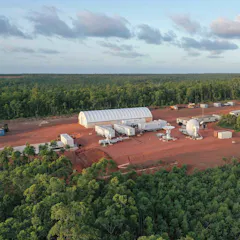
Australia may soon have three commercial space launch facilities
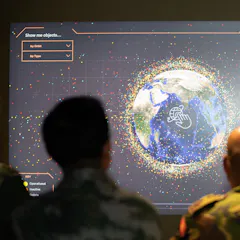
The future of Australia’s space efforts will hinge on coordination between defence, industry and universities.
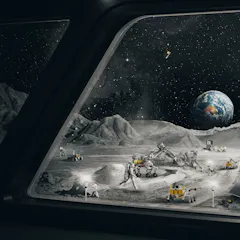
In Australia, space defence gets billions of dollars in funding, and commercial projects get hundreds of millions. Space science gets only $2 million a year.

The CUAVA-1 cubesat will monitor space weather and changes to Earth’s ionosphere that affect satellites and electronics.
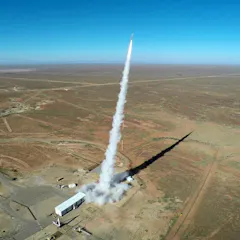
Australia’s space industry is booming despite the impact of coronavirus.
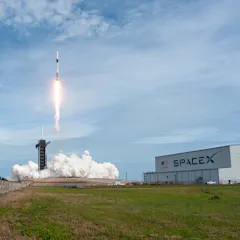
About 770 Australian entities are already developing space-related infrastructure, most of which are privately owned.
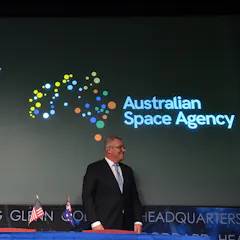
From solar sail-powered spacecraft, to laser communications, to asteroid detection systems, there is no shortage of Australian ideas and expertise to help NASA explore the Moon and Mars.
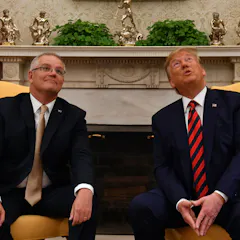
Amid the glamour and glitter and the mutually admiring exchanges between Donald Trump and Morrison, China and Iran were the central policy issues of interest during the PM’s Washington trip.
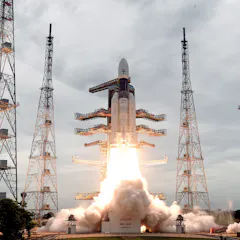
India’s Moon shot isn’t just about prestige. As launch costs fall, the space economy is poised to boom. A lengthening list of nations is eyeing the sky.
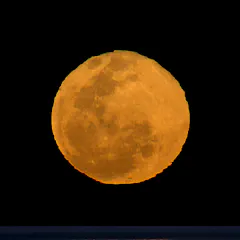
Australia should be involved in any new mission to the Moon: we have the interest and the expertise so let’s be part of the race.
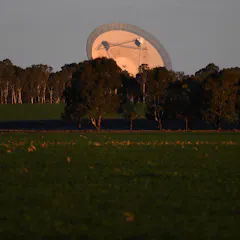
Australia played a vital role in beaming the Apollo 11 Moon landing to the world. But since then we’ve passed up the opportunity to cement our place in exploring outer space.
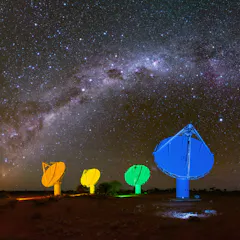
Australia needs more friends, particularly in China and India, to be a force in the international space economy.
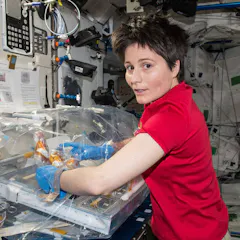
On Earth the flame from a struck match looks like an inverted teardrop shape and is orange. In microgravity, that same flame is spherical and blue. Heat transfer is different with minimal gravity.
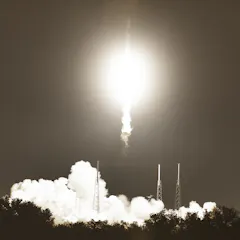
This are looking up when it comes to launching things into space from Australia. The rules on what can be launched are currently under review and open for comment.
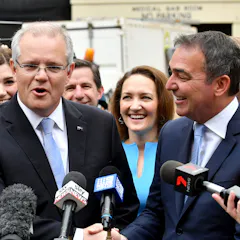
The headquarters of the Australian Space Agency will be in Adelaide. So how did we get to this point? Here are ten essential reads to fill you in.
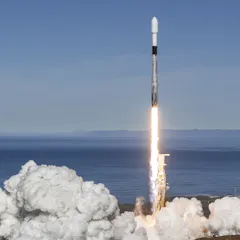
If the Australian space industry is to grow and create thousands of jobs then we need new policy around satellites to meet the challenges involved.
Top contributors
-
 Andrew Dempster is a Friend of The Conversation.
Director, Australian Centre for Space Engineering Research; Professor, School of Electrical Engineering and Telecommunications, UNSW
-
Professor, Adelaide University
-
Lecturer in space and military law and strategy, UNSW
-
Chief Executive Officer, Australasian Centre for Space Governance; Associate Expert, National Security College, Australian National University
-
Lecturer in American Politics, United States Studies Centre, University of Sydney
-
ARC Laureate Fellow and Winthrop Research Professor at the International Centre for Radio Astronomy Research, UWA., The University of Western Australia
-
PhD candidate in international business and comparative political economy, University of Auckland, Waipapa Taumata Rau
-
Associate Professor - Physics, RMIT University
-
Senior Lecturer in History, UNSW
-
Professor of Space Physics and Director of CUAVA, University of Sydney
-
Associate Professor in Archaeology and Space Studies, Flinders University
-
Chair of ARC Centre of Excellence for Quantum Biotechnology, The University of Queensland
-
Planetary Scientist, Queensland University of Technology
-
Professorial Fellow, University of Canberra
-
Director of The Australian National University Institute for Space and the Advanced Instrumentation Technology Centre, Australian National University