

Australia’s new asthma guidelines warn against anyone with asthma – even those with infrequent symptoms – using only salbutamol inhaler.
Articles on Asthma
Displaying 21 - 40 of 155 articles
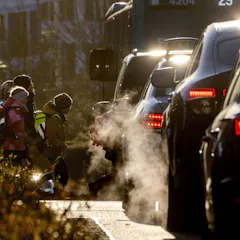
Electric vehicles sold in the last decade are already having a measurable impact on childhood asthma rates in the U.S.

A recent study found First Nations Australians were twice as likely to present to an emergency department with asthma or other allergy-related illnesses.

The TGA has issued a requirement for new warnings to be provided with the drug montelukast, commonly used to treat asthma and hay fever.
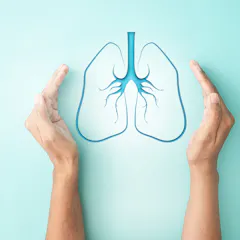
An injection given during some asthma and COPD attacks is more effective than the current treatment of steroid tablets.
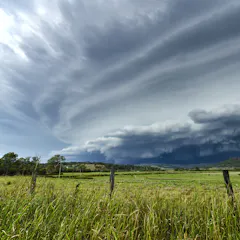
There’s been an increase in the number of Australians who report hay fever symptoms in the last 15 years. A history of hay fever – not asthma – is the major risk factor for thunderstorm asthma.
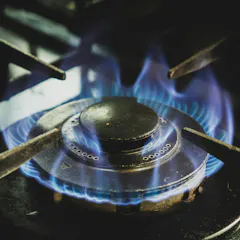
Gas stoves are responsible for 12% of Australia’s childhood asthma. But replacing your cooktop might not be practical if you’re renting or struggling with cost-of-living.
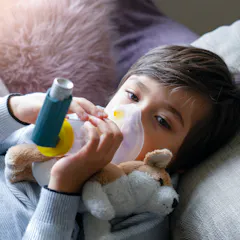
RSV is most common in kids under 5. Research suggests it could cause asthma, but we need to know more.
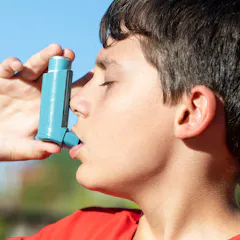
Respiratory conditions including asthma, COPD, and lung cancer have all been linked to an imbalanced gut microbiome.
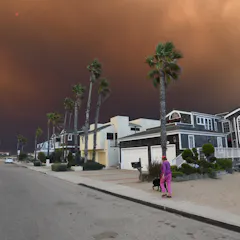
Breathing wildfire smoke can cut years off people’s lives. As fires become more frequent in a warming world, smoke is leading to a public health crisis, harming people far from the flames.

Hot temperatures can be dangerous for anyone – regardless of your age or what health conditions you have.

States could be in for another summer of unhealthy wildfire smoke as ‘zombie fires’ resurface in western Canada and more blazes break out in the dry conditions.

Asthma attacks can result from immune cells overreacting to a harmless allergen. Tamping down iron levels in certain immune cells can help control their activity.
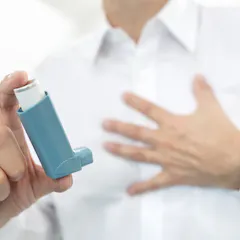
An inhaler that costs nearly $300 in the US goes for just $9 in Germany. What gives?

Children are uniquely vulnerable to bushfire smoke because of their physiology and their behaviour.
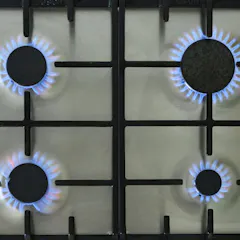
The natural gas industry has spent years trying to undermine scientific findings about gas stoves and health. If this sounds familiar, that’s no accident.

If you’ve got hay fever, or asthma, or both, it’s important to make sure they’re well managed.
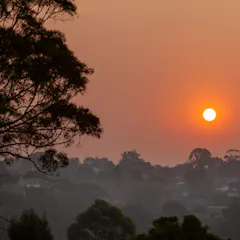
People with a lung condition are among those particularly vulnerable to bushfire smoke. But you can prepare for the season ahead.

The notion that wildfire smoke is ‘natural,’ and therefore less harmful than other types of air pollution, is not supported by the evidence. Wildfire smoke has been linked to adverse health effects.

Some foods can affect how well your lungs function, how often you have asthma attacks and how well your puffer works. Here’s what to eat if you have asthma.
Top contributors
-

Respiratory Allergy Stream Co-chair, National Allergy Centre of Excellence; Professor and Head, Allergy Research Group, Queensland University of Technology
-
Associate Professor of Environmental and Occupation Health, University of California, Irvine; University of Southern California
-
Head, Respiratory Program, George Institute for Global Health; UNSW ; University of Sydney
-
Honorary Associate Professor
-
Associate Professor of Legal Studies and Political Science, UMass Amherst
-
Professor of Climate Sciences, Duke University
-
Associate Professor of Botany, The University of Melbourne
-
Senior Conjoint Lecturer, UNSW
-
Associate Professor in Biomedical Sciences, University of Canberra
-
Scientia Professor, Faculty of Medicine and Health, UNSW
-
Scientific Officer in Biomedical Sciences, University of Leeds
-
Professor, Environmental Studies Program at UC Santa Barbara
-
Head of the Respiratory Clinic and Reader in Sport and Exercise Sciences, University of Kent
-
Professor and Chair, Department of Environmental Health, Boston University
-
Brett Montgomery is a Friend of The Conversation.
Senior Lecturer in General Practice, The University of Western Australia