
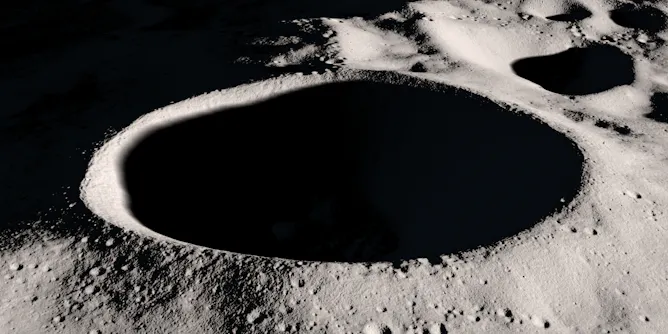
We’ve known for a while now that the Moon has water. Accessing it will make it easier not just to visit, but to stay.
Articles on Artemis program
Displaying 1 - 20 of 93 articles
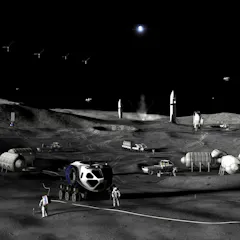
A lunar base could allow for research, economic activities and lunar mining. Such an operation has potential benefits, but lots of challenges await NASA.
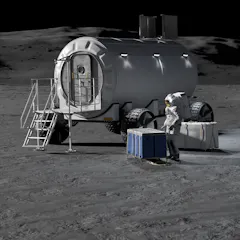
Suitable spots for establishing human outposts at the south pole are finite.
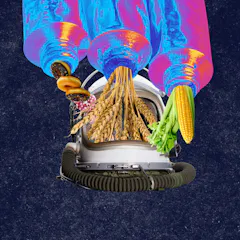
Space food cannot just be functional. Sometimes, it should simply bring joy.
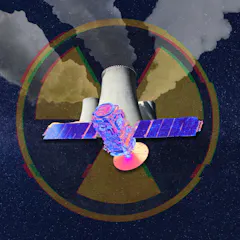
Any talk of nuclear futures in space obliges us to learn from nuclear pasts.
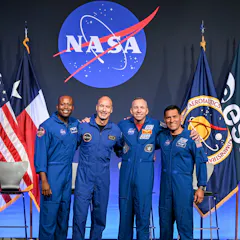
The Artemis program’s timeline and architecture has changed over the past year, so Artemis III will not land on the lunar surface.
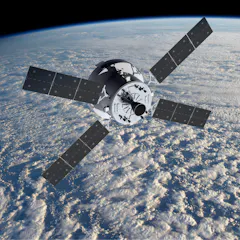
The New Glenn explosion could seriously delay the timetable for returning to the Moon.

NASA has several contracts with Blue Origin as part of its Artemis program – this setback for the company could delay the program.
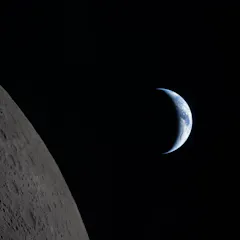
Landing on the Moon can disturb its environment – people are discussing how to balance those concerns with political and economic goals.
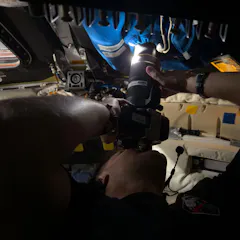
A photography expert explains how a photographer makes artistic decisions that an AI algorithm or robot can’t replicate.

A space historian explains how the Artemis II crew reimagined some Apollo-era photos and found spectacular new angles.
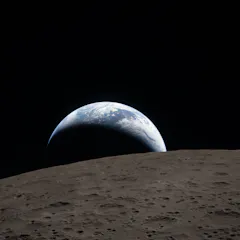
Going to the Moon isn’t just about science. Novelist Jules Verne predicted some of the societal ramifications modern lunar missions are creating today.

The successful mission marks the beginning of a new chapter in lunar exploration.
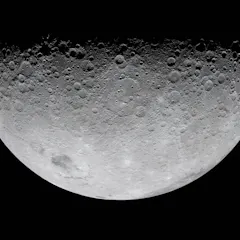
Viewers on Earth have experienced the Moon’s awe-inspiring beauty through the eyes of the Artemis II astronauts.
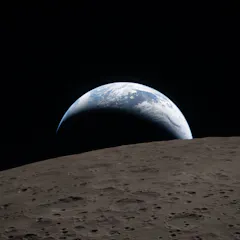
Artemis II astronauts updated the iconic 1968 image during their 2026 loop around the Moon.

Victor Glover will become the first Black astronaut to orbit the Moon – but he is part of a long line of Black explorers, many forgotten through history. New research is giving York his due.
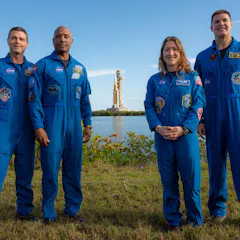
Solar particle events are an ever-present risk to space travellers venturing beyond Earth orbit.
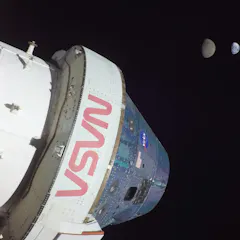
NASA’s Artemis II mission took decades of policymaking, engineering and financial support.
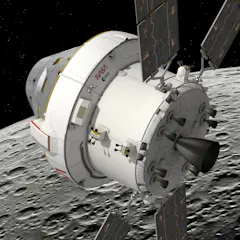
Sustained lunar exploration remains a challenge for modern democracies.
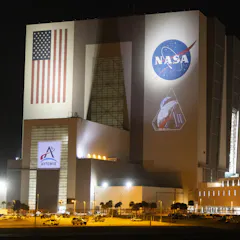
It’s about more than just beating China. As a space lawyer puts it, a Moon base would come with strategic, economic and scientific advantages.
Top contributors
-

Professor of Strategy and Security Studies, Air University
-
Postdoctoral research associate, University of Oxford
-
Senior Lecturer in Physics, Nottingham Trent University
-
Professor of Air and Space Law, University of Mississippi
-
Assistant Professor of Space Studies, University of North Dakota
-
Host, The Conversation Weekly Podcast, The Conversation
-
Reader in Astrophysics, Keele University
-
Professor of Civil and Environmental Engineering and Earth Sciences, University of Notre Dame
-
Associate Professor of International Affairs, Georgia Institute of Technology
-
Director of the Space Economy Evolution Lab, Bocconi University
-
Professor of Planetary Science, University of Arizona
-
Professor in Earth and Planetary Science, Western University
-
Professor of Planetary and Space Sciences, The Open University
-
Research Assistant, RAND Europe
-
Senior lecturer, La Trobe University