
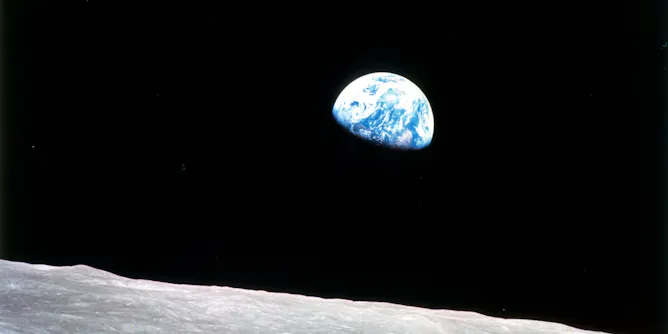
The global climate has changed drastically over the course of the 58 years that separate these two photographs of planet Earth.
Articles on Artemis II
Displaying 21 - 40 of 51 articles
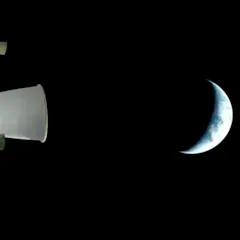
A planetary geologist and member of NASA’s First Artemis Lunar Surface Science Team witnesses the launch of the Artemis II moon rocket.
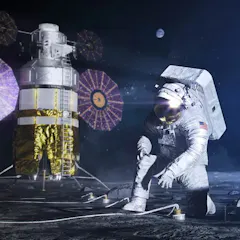
When nations establish moon bases, the conditions will be difficult to adjust to.
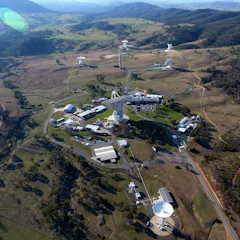
Ground stations in Australia are crucial for contacting the astronauts travelling to the Moon.

Victor Glover will become the first Black astronaut to orbit the Moon – but he is part of a long line of Black explorers, many forgotten through history. New research is giving York his due.
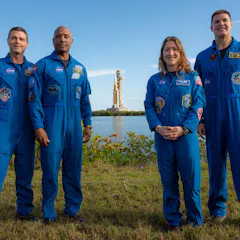
Solar particle events are an ever-present risk to space travellers venturing beyond Earth orbit.
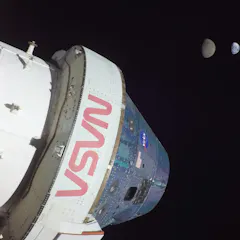
NASA’s Artemis II mission took decades of policymaking, engineering and financial support.
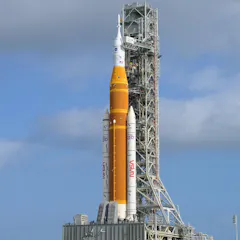
Worries were raised when the heat shield from a previous mission came back damaged.
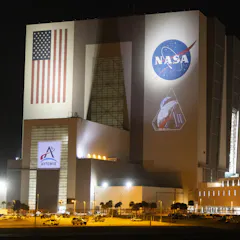
It’s about more than just beating China. As a space lawyer puts it, a Moon base would come with strategic, economic and scientific advantages.
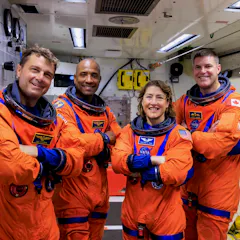
Space is extremely dangerous, but people can still do more than robotic explorers can – in terms of technical achievements and inspiring public interest.
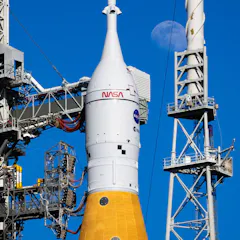
Scott Pace, the head of the National Space Council during the first Trump administration, talks to The Conversation Weekly podcast about the launch of Artemis II crewed mission round the Moon.
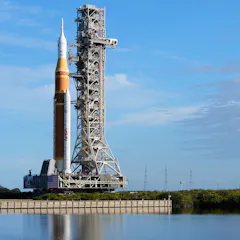
Artemis II will test the life control systems on the Orion spacecraft and, if all goes well, take a trip around the Moon.
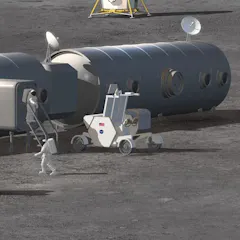
Changes to Nasa’s Moon exploration programme may include a base on the lunar surface.
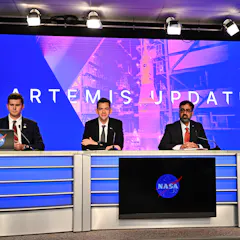
Artemis II has been plagued by similar issues to those faced by its predecessor, leading NASA to shake up its plan to return humans to the Moon.
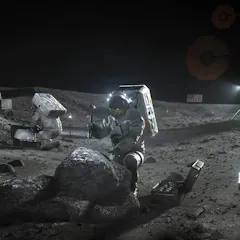
NASA’s new plans for its Artemis moon exploration program reduces risks and increases the likelihood of a successful human mission to the moon’s surface in 2028.

Several robotic spacecraft orbiting the Moon can take detailed pictures of its surface, so why send people around the Moon? A planetary geologist explains the benefits.
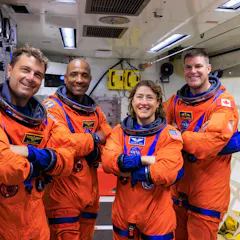
Jeremy Hansen will be the first non-American to fly to the moon — and will make Canada only the second country in the world to send an astronaut into deep space.
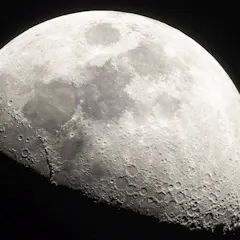
Today, there aren’t just two countries competing to get to the Moon. More countries have space programs, and private industry plays a larger role.
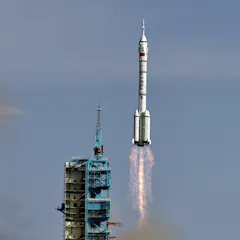
China has been building towards this mission for more than 20 years.
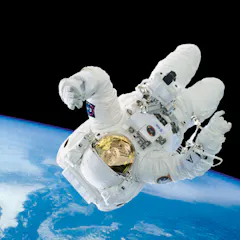
Spaceflight rewires the human body. Muscles shrink, bones thin and fluids shift towards the brain – but these changes may help improve life on Earth.
Top contributors
-

Professor in Earth and Planetary Science, Western University
-
Professor of the Practice of International Affairs, George Washington University
-
Assistant Professor of Astrophysical and Planetary Sciences, University of Colorado Boulder
-
Professor of Strategy and Security Studies, Air University
-
Lecturer in Physics and Data Science, Queen Mary University of London
-
Professor of Physiology and Biochemistry, University of South Wales
-
Professor of Air and Space Law, University of Mississippi
-
Research Assistant, RAND Europe
-
Associate Professor of Mechanical and Aerospace Engineering, University of Tennessee
-
Professor of Planetary Science, University of Arizona
-
Reader in Astrophysics, Keele University
-
Assistant Professor of Space Studies, University of North Dakota
-
Assistant Professor of Earth and Space Exploration, Arizona State University
-
Visiting Professor in Translational Neurosciences, University of Antwerp; European Space Agency
-
Lecturer of Physics and Astronomy, Cardiff University