
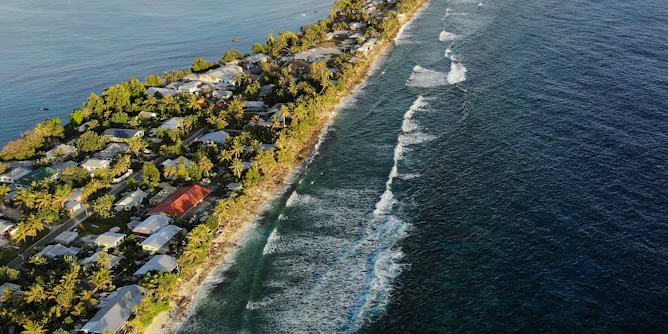
From rising global temperatures to the fast-warming Arctic, early climate models predicted the changes half a century ago.
Articles on Arctic amplification
Displaying all articles

As a record-hot summer comes to a close, an atmospheric scientist explains how global warming drove long periods of extreme heat.

Back when there were Arctic alligators and turtles, ‘polar stratospheric clouds’ kept their world warm. Research suggests these clouds contribute to the ‘missing warming’ in climate models.

Atmospheric rivers can melt fragile new sea ice. When these storms arrive in waves, the sea ice doesn’t have a chance to recover.
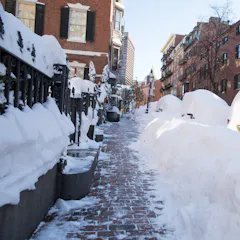
Winters are getting warmer, yet Bostonians were digging out from nearly 2 feet of snow from a historic blizzard in late January. Why is the Northeast seeing more big snowstorms like this?
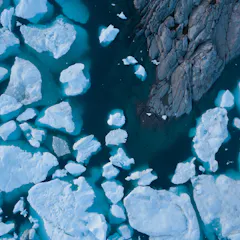
The Arctic region is warming much faster than the rest of the planet. The rapid loss of ice affects the polar jet stream, which influences weather patterns across the northern hemisphere.

The Arctic is warming about twice as fast as the planet as a whole, with serious consequences. Scientists have been warning about this for decades.
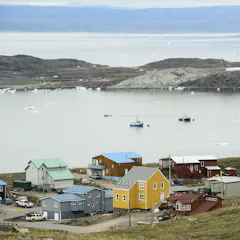
New research finds that chlorofluorocarbons (CFCs) and other ozone-depleting substances have boosted the effects of climate change in the Arctic.

More than 600 experts will spend the next year drifting in Arctic waters to gain a better understanding of how climate change is affecting the region and how it can be fought.
Top contributors
-

Chair professor, Université du Québec à Montréal (UQAM)
-
Assistant Research Professor of Atmospheric Science, Penn State
-
Research Professor of Geography and Director, National Snow and Ice Data Center, University of Colorado Boulder
-
Assistant professor, teaching stream, University of Toronto
-
Professor and Director of the Climate Change Research Centre, UNSW, UNSW
-
Associate Director, Climate System Research Center and Associate Professor of Climatology, UMass Amherst
-
Atmospheric scientist (PhD)
-
Postdoctoral Research Associate, University of Cambridge
-
Adjunct Professor of Environmental Geography, CQUniversity Australia
-
Senior Lecturer in Atmospheric Science, Climate Change Research Centre, UNSW
-
Professor of Geology and Environmental Geosciences, University of Dayton
-
Research Physical Scientist, National Oceanic and Atmospheric Administration