

Avoid poorly ventilated parts of the building if you can. And always wear a mask when you open your door.
Articles on Apartments
Displaying 21 - 40 of 61 articles

Buying off the plan comes with risks and challenges — but there are six key steps consumers can do to help protect themselves. Systemic and policy change is also urgently needed.
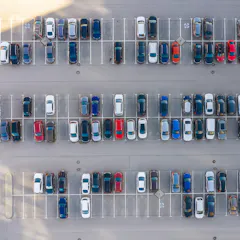
A single open-air car park takes up land that could potentially house hundreds of people.

Since the Grenfell Tower fire claimed 72 lives in 2017, Australia has identified flammable cladding on more than 3,400 buildings. Despite apartment owners’ fears and rising costs, few have been fixed.
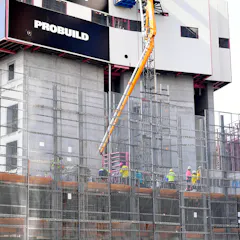
The rise of build-to-rent development will affect a lot of Australians. Despite the rosy promises, tax, design, planning and tenancy reforms will be needed to avoid the potential pitfalls.

Identifying and fixing apartment defects can be challenging, especially as they’re often the shared responsibility of all owners in the building. A new guide aims to help navigate the pitfalls.
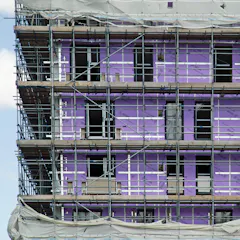
If more people work from home and shop online, many commercial buildings won’t be needed any longer. What will be needed is affordable housing, and these buildings can be converted to meet this need.
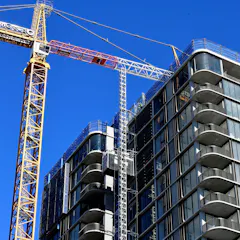
Orders to fix serious defects, even up to ten years after completion, and to delay the occupation certificate developers need to sell apartments until they’re fixed, gives regulators real teeth.

Apartments house one in ten Australians, including a higher share of low-income households than other housing types. A new study identifies why some high-density neighbourhoods work better than others.
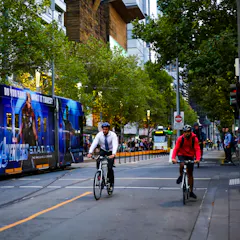
Before the pandemic, the country was making great strides towards creating more compact, sustainable and liveable cities.
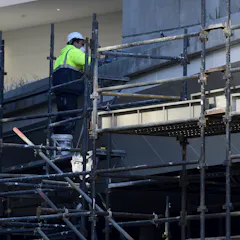
The proposed law does little to give people confidence in the apartments they buy. And it utterly neglects the role of architects and on-site inspections in delivering sound buildings.

Nearly half of apartment residents are now families with children whose quality of life suffers if their neighbourhoods don’t provide the spaces and activities they need to thrive.
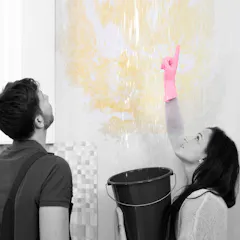
Governments and regulators assume compliance with building regulations will restore public confidence. But complying with the National Construction Code won’t fix many common defects.

Not all pets will make good house cats, but there are ways to make a life indoors more fulfilling.
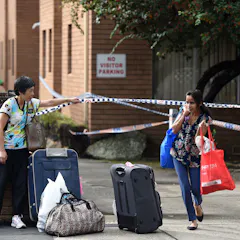
The difficulty of finding out about building defects creates an information deficit that threatens public confidence and stability in the apartment market. NSW has begun work on a solution.
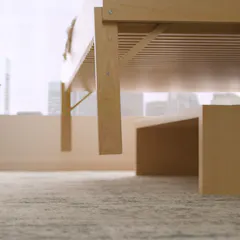
With space at a premium, robotic furniture can transform a room in seconds. How will this affect our sense of belonging and feeling at home, when everything can change with a voice command?
The housing aspirations of young Australians change as they enter their late 20s and early 30s. But having somewhere safe and secure to call home is the top priority for all young adults.
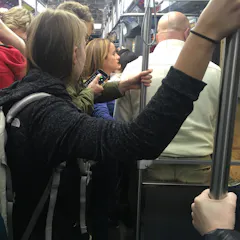
Traffic impact assessments required of major building developments mainly focus on the movement of cars, but these account for only 30-40% of trips by inner-city apartment dwellers.

As more and more Australians live and work in high-rise buildings, their responsibilities and roles in ensuring all occupants’ safety must not be neglected.
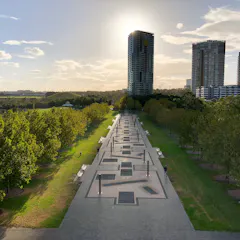
While Opal Tower residents are more badly affected than most, up to 80% of multi-unit buildings have serious defects. Here’s what government can do right now to fix the industry.
Top contributors
-

Professor, City Futures Research Centre, UNSW
-
Adjunct Professor of Architecture, University of Technology Sydney
-
Professor, City Futures Research Centre, Faculty of the Built Environment, UNSW
-
Senior Lecturer in City Planning, UNSW
-
Research Associate, City Futures Research Centre, UNSW
-
Professor of Construction Management, University of Technology Sydney
-
Senior Lecturer, Discipline of Geography and Sustainability, School of Health and Society, University of Wollongong
-
ARC DECRA Fellow at the Centre for Urban Research, RMIT University
-
Associate professor in Social and Political Sciences, University of Technology Sydney
-
Associate Professor and Co-Director of Studies for Construction Law, The University of Melbourne
-
Senior Research Fellow, City Futures Research Centre, UNSW Sydney, UNSW
-
Senior Research Fellow, Collaboration on Energy and Environmental Markets, UNSW
-
Professor, School of Science, Edith Cowan University
-
Adjunct Research Associate, School of Psychology and Speech Pathology, Curtin University
-
Senior Lecturer in Urban and Environmental Planning, Griffith University