
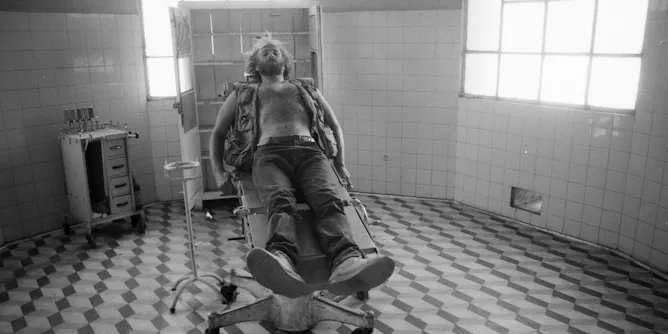
No other photographer in southern Africa has documented war in the way that John Liebenberg did. He captured the life and the conflict of both sides in his body of work.
Articles on Apartheid
Displaying 241 - 260 of 500 articles
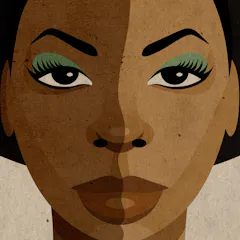
The long history of racist beauty standards alone cannot explain the ongoing global use of harmful skin lighteners.
It seems that former president FW De Klerk continues to find it hard to accept that apartheid was a crime against humanity.
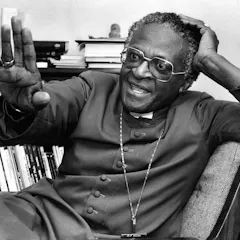
Desmond Tutu is by far the most high-profile African, if not global, religious leader to support lesbian and gay rights, and he has done so since the 1970s.
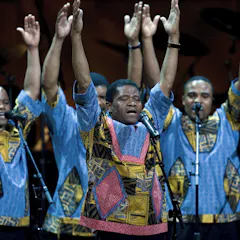
The passing of music giant Joseph Shabalala rests heavy on South African hearts - he told the story of black migrants within the apartheid system in a way no-one else did - and achieved global fame.
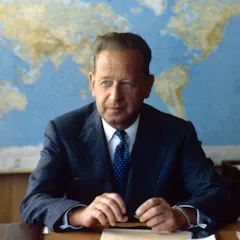
Does South Africa have skeletons in the closet over the death of the UN Secretary-General?
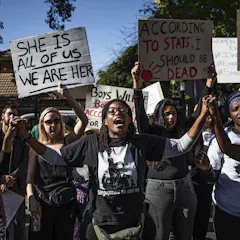
Underlying direct or personal violence is structural violence that is entrenched in unequal power relations in society.
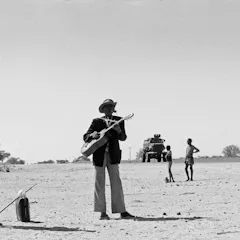
An archive project is restoring the secret history of Namibia’s resistance music culture from the 1950s to the late 1980s – suppressed and censored during apartheid but now touring the world.

Unity for the wrong reasons reduces social cooperation to whatever happens to benefit a particular person or group, making it a zero-sum game.

Even though they were a product of apartheid’s propaganda broadcasting machine, Zulu language radio dramas proved subversively powerful by reflecting communal black life and creating new stars.
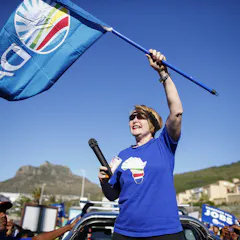
The Democratic Alliance’s problems can be traced back to the politicisation of race, which has persisted even after the dawn of democracy in 1994.

Mining companies and some heritage consultants don’t understand the sacredness attached to ancestral remains, and the meaning of land in African communities.

Marking the end of the Cold War offers the chance to reflect on the changes and continuities in African politics and international relations since 1989.
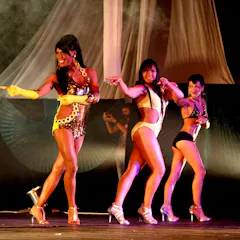
There were secretive, intimate spaces in South Africa during the 1950s that paved the way for modern drag pageants.
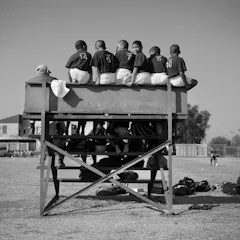
The springbok emblem was introduced under white rule in South Africa and by retaining it, it remains a burden for many South Africans who followed the Rugby World Cup.
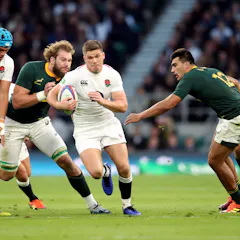
The historic sporting rivalry between England and South Africa has often been marred by political protests and controversy.

The book depicts how Onkgopotse Tiro’s time at Turfloop amounted to a revolutionising political script for generations to come.

In South Africa and India, research has found that free or affordable housing can actually undermine women’s safety and livelihoods.
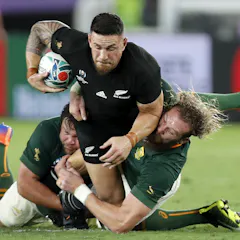
South Africa needs a new progressive sports movement that works for equality and peace based on mass participation and social justice.
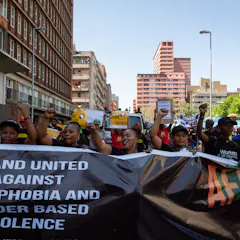
Xenophobia negates the spirit of pan-Africanism, especially its ideal that Africans share a mutual bond, regardless of their geographical location.
Top contributors
-

Professor of Political Studies, University of Johannesburg
-
Associate of the Gordon Institute for Business Science, University of Pretoria
-
Extraordinary Professor, Department of Political Sciences, University of Pretoria
-
Associate Professor Sport History, Stellenbosch University
-
Professor of Sociology, University of the Witwatersrand
-
Senior Lecturer (Radical Humanities Laboratory, University College Cork), University College Cork
-
Senior Research Fellow, Centre for the Advancement of Scholarship, University of Pretoria., University of Pretoria
-
Political Scientist, University of the Western Cape
-
Distinguished Reserach Professor, Southern Centre for Inequality Studies, University of the Witwatersrand
-
Senior Research Fellow, Horn of Africa and Southern Africa, Institute of Commonwealth Studies, School of Advanced Study, University of London
-
Professor, Sociology, University of the Western Cape, Nelson Mandela University
-
Honorary Professor of International Relations, University of the Witwatersrand
-
Professor of Urban Governance, University of the Witwatersrand
-
Senior Lecturer in History, University of Dundee
-
Professor of Public Affairs, Tshwane University of Technology