
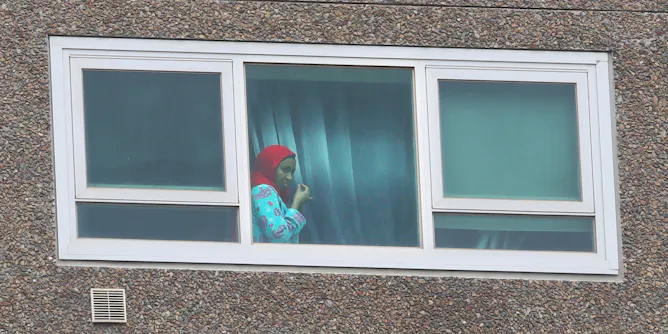
What might the past offer us at this moment, and how will future generations reflect on this year? How will this present become the future’s past?
Articles on Anzac
Displaying 21 - 40 of 45 articles
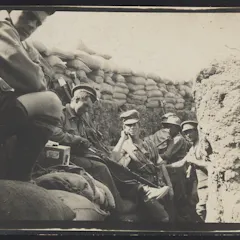
When the honour of Australia’s revered soldiers is questioned, so, too, is the national self-image. But war is an ugly business, and we pay a price for tethering it so tightly to our identity.
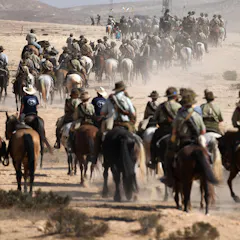
In Aboriginal and Torres Strait Islander communities, Anzac stories are often coloured by racism and ongoing injustices that negate the myth of Anzac ‘mateship’.
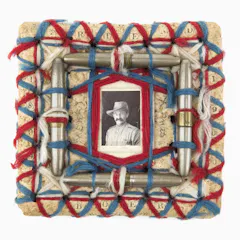
Army ration biscuits known as ‘Anzac tiles’ were durable but bland - as Australian war archives show, they served as stationery, Christmas cards and as the basis of art.
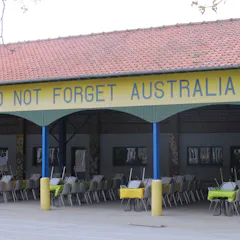
Since the end of the first world war, the Australian media has often reported that ‘the French’ care about, remember and even venerate the Anzacs. But is this true? And which French people?
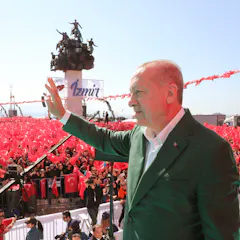
Attacking Erdoğan’s original comments, Morrison told a news conference they were “highly offensive to Australians and highly reckless in this very sensitive environment”.
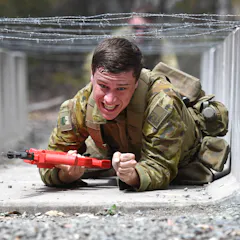
There is a troubling disconnect between a once-iconic institution and broader society.
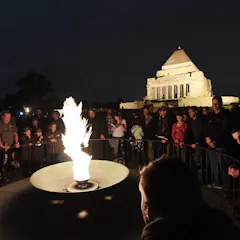
Australia is spending cast amounts of money commemorating the war dead, but it’s time we took better care of ex-servicepeople who are still living.

Among all things Anzac, the contribution of women is becoming more complicated and controversial.
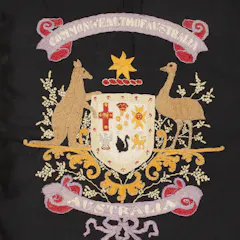
Embroidery - often seen as women’s work - was a common form of therapy for troops wounded in the first world war. One soldier, Albert Biggs, learned to sew with his left hand after his right arm was badly injured.
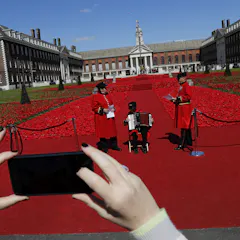
The internet and social media are changing how we commemorate war. The hashtag #LestWeForget will be shared millions of times on Remembrance Day in tweets and Facebook comments.
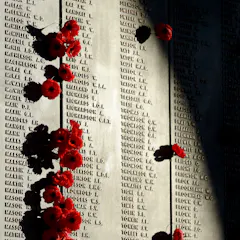
You can name your child ‘Anzac’ - but not your house. Are Australia’s laws restricting the use of the word Anzac still relevant?
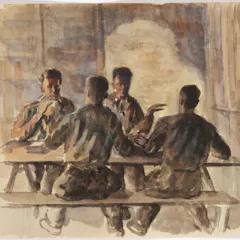
From crossing cultural barriers with a cake, to starvation used as a brutal tool of war, Australian soldiers’ letters and diaries reveal an urgently important relationship with what they ate.
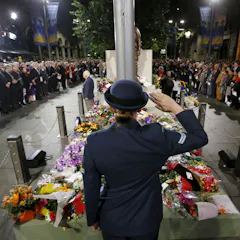
For those who were there one hundred years ago, Gallipoli was not the stuff of legend that it later became, but a site of regret and despair.
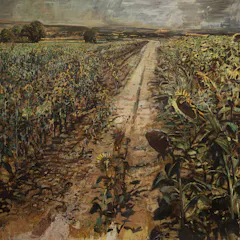
Tackling Gallipoli is an onerous challenge: it carries baggage that must be accommodated or unpacked with extreme care. Western Australian artist Lev Vykopal’s two exhibitions offer a mix of reverence, analysis, critique and poetry.
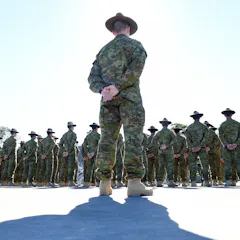
Although more than 100,000 Australians have lost their lives as a result of war service, photographs of our dead have never been published in newspapers.Perhaps we should reconsider this.
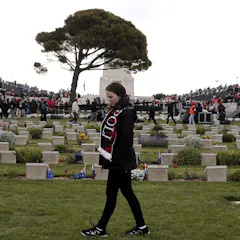
It is naïve to expect men to kill and die for their country, to live through the horrors of a particularly barbaric war, and to come out the other end unscathed – despite our popular myths.
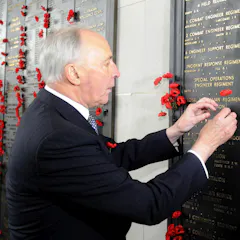
There is a complicated story involving the Anzac legend and the left between the 1920s and the 1960s which historians have barely begun to untangle.
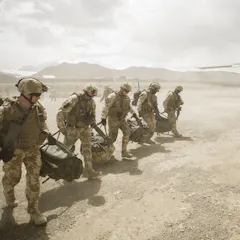
Australia and New Zealand’s joint mission in Iraq is getting underway. But in NZ, the decision to send 143 troops to train Iraqis against Islamic State has faced a divided parliament and public.

Charles Bean made editorial decisions to eliminate the bloody realities of war in favour of a specially crafted and idealised construction of the Anzacs and the Gallipoli campaign.
Top contributors
-

Associate Professor of Strategic & Defence Studies, Australian National University
-
Director, Australian National Dictionary Centre, Australian National University
-
Associate Professor in Australian History, The University of Queensland
-
Director, Vice-Chancellor's Centre of Public Ideas (CoPI) and Donald Horne Professor of History and Public Ideas, University of Canberra
-
Associate Professor in History, Deakin University
-
Professor, Monash University
-
Senior Lecturer in History, University of Newcastle
-
Associate Professor of History, University of Sydney
-
Professor of Folklore, Curtin University
-
AARC Research Fellow, Australian National University
-
Professor, Director of the Centre for the Study of Violence, School of Humanities and Social Science, University of Newcastle
-
University Historian and Principal Research Fellow, History, University of Sydney
-
Senior Lecturer, Centre for Defence and Security Studies, Te Kunenga ki Pūrehuroa – Massey University
-
Adjunct associate, Adelaide University
-
Industry Fellow, UNSW Canberra Cyber, Australian Defence Force Academy, UNSW