
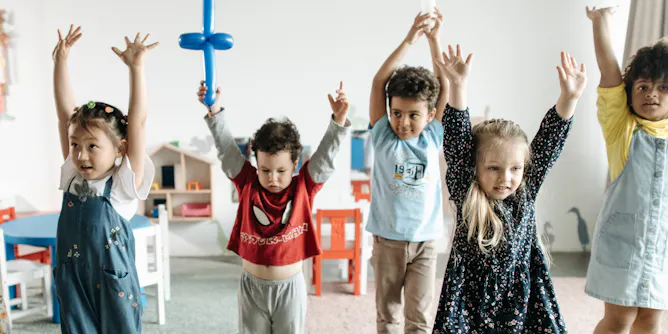
A study of students across Canada between 2004 and 2015 provides an estimate of anxiety symptoms in kindergarteners, and can serve as a baseline for comparing children’s anxiety after COVID-19.
Articles on Anxiety
Displaying 261 - 280 of 714 articles

People who are directly affected by mass shootings may develop PTSD and depression. But those who are indirectly exposed to these tragedies can also experience profound and long-lasting grief.
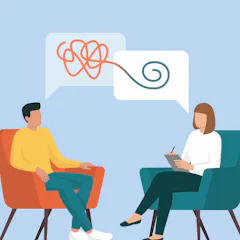
Psychotherapy is not one size fits all. From behavioral to gestalt therapies, which approach will work best for you depends on your needs and goals.

Up to 20% of US children have an anxiety disorder, and many suffer in silence.

Our study shows that people who believe they can do things to improve their mental health have higher wellbeing.
New research shows that many young people report a sense of temporary relief following episodes of self-harm. But there are clear ways to help teens replace injurious behaviors with healthy ones.

As lockdowns went into effect in the spring of 2020, many people took up gardening as a coping mechanism. But will a hobby born out of a crisis recede as life returns to normal?

Mental health services aren’t meeting young people’s needs, particularly during the global pandemic. But research shows parents can learn how to reduce anxiety and depression in early teens.

Scholars weigh in on the known and unknown about marijuana and its incarnations.

We reviewed all the research on mental health during the first year of COVID lockdowns. Here’s what we found.

More than two years into the pandemic the world is a very different place. But this only partly explains different people’s responses to COVID.
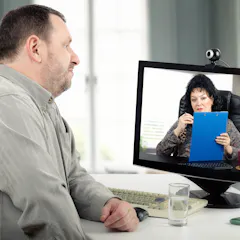
By creating both an urgent need for mental health care and the need to prevent the spread of COVID-19, the pandemic is enabling telemedicine to go mainstream.

While only about 20% of people would qualify for a formal diagnosis of a mental disorder, more than 60% express symptoms of those disorders – and those symptoms can lead to cognitive difficulties.

The words that doctors choose during a consultation – and even the verb tense – can help or hurt a patient dealing with a difficult diagnosis.

Providing support at work can be a cost-effective strategy.

‘Stresslaxation’ may be a new term, but many people can relate to feeling stressed and anxious when trying to unwind.
Binaural beats are said to have a range of effects, but how does the evidence stack up?

Many people will be feeling anxious about working around others again, after such a long period at home. There are a few things employers and employees can do to ease the transition.

A pediatrician recommends helping your child cope with getting vaccines by employing “The Three P’s” – Preparation, Proximity and Praise.
The mental health impact of the pandemic has not affected everyone equally. An equitable approach to mental health promotion, prevention and treatment can help ensure equitable access to services.
Top contributors
-

Professor of Psychiatry, Wayne State University
-
Mental health researcher, University of Cambridge
-
Professor of Psychiatry, Monash University
-
Professor, NHMRC Emerging Leader & Clinical Psychologist, UNSW
-
Assistant Professor of Psychiatry and Behavioral Neurosciences, Wayne State University
-
Professor of Psychology, The University of Melbourne
-
Associate Professor, Centre for Positive Health Sciences, RCSI University of Medicine and Health Sciences
-
Professor of Psychology, San Diego State University
-
Professor of Clinical Neuropsychology, University of Cambridge
-
Professor of Psychology, University of Virginia
-
Associate professor, RMIT University
-
Professor, Canada Research Chair in Determinants of Child Development, Owerko Centre at the Alberta Children’s Hospital Research Institute, University of Calgary
-
Postdoctoral Research Associate, Cognitive Neuroscience, University of Cambridge
-
Clinical Psychologist and Professor in the Department of Psychology and Neuroscience, Dalhousie University
-
Professor, University of the Witwatersrand