

For some sand-dwelling plants, stickiness is a defense tactic that keeps predators at bay.
Articles on Ants
Displaying 41 - 60 of 93 articles
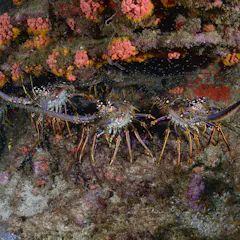
Using distance to avoid getting sick has deep evolutionary roots for humans and many other species.
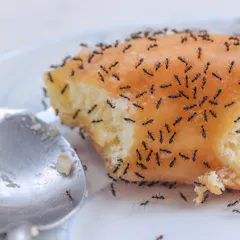
You’ve probably seen ants marching over your kitchen bench this summer. Should you get out the insecticide, or learn to live with them?
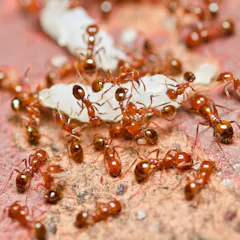
Millions of dollars are being spent on trying to eradicate fire ants from Australia. But that might not be the only way to deal with the invasive pest.
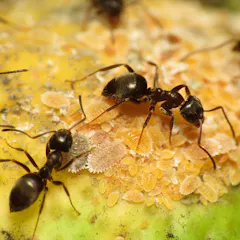
They might be a hated household pest, but ants actually live fascinating and complex lives.
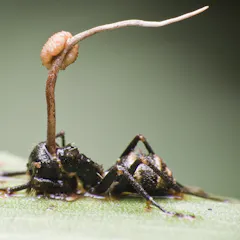
Infected ants help the fungus to spread its spores and reproduce.
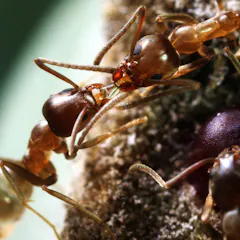
Invasive pest ants cause billions of dollars worth of damage to crops, and threaten some of Australia’s World Heritage rainforests. The federal budget has pledged nearly $30m on wiping them out – but how?
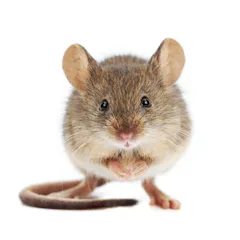
The mouse who tidied the shed he lives in fascinated human viewers, but cleanliness isn’t a virtue unique to humans.

Invasive tropical fire ants spread by eating their fat useless sons.
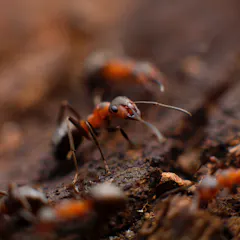
Ants have something similar to blood, but it’s called haemolymph. Some insects use it in unusual ways. When threatened by a predator, blister beetles can squirt haemolymph from their knees.
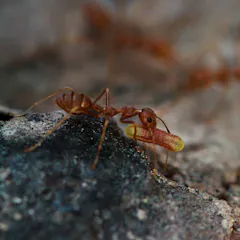
Hydrogen peroxide is a chemical that can kill germs. It is found in two things many ants love to eat: nectar and honey dew.
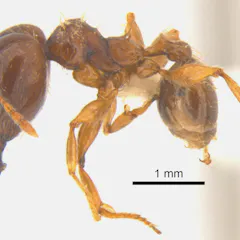
The ants were a threat to many native species on Lord Howe Island. They were also a pest if they got into your home.
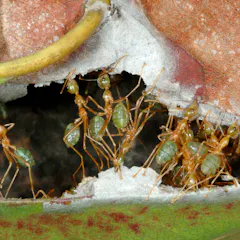
Ants have many tricks to deal with rain – like holding their breath, blocking nest entrances or drinking excess water and releasing it elsewhere by ‘communal peeing.’ But can they see rain coming?

New study shows parasitic Escovopsis fungus attacks the bacteria leafcutter ants use to protect themselves.
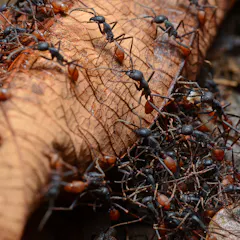
Insects aren’t known for having big brains, and slime moulds and fungi don’t have any. So how do they solve challenges that test the ingenuity of human transport engineers?

In an ant’s world, the smaller you get the less you can see. So how does that affect an ant’s ability to avoid hitting any obstacle as it walks about?
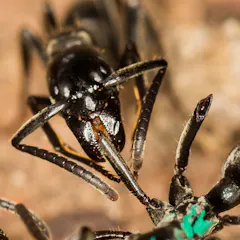
Ants have an incredible instinct to help their comrades.
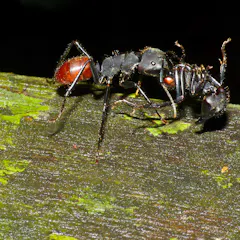
Ants produce their own antimicrobial chemicals to fight bacteria.
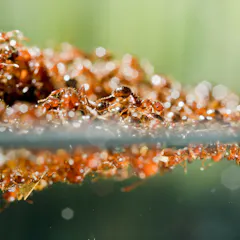
Researchers identified simple behavioral rules that allow these tiny creatures to collaboratively build elaborate structures, with no one in charge.
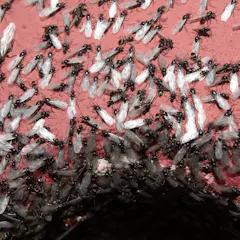
The things they’ll do for love …
Top contributors
-

Associate Professor in Entomology, University of Sydney
-
Research Fellow, School of Biosciences, The University of Melbourne
-
Associate Professor, School of Mathematical Sciences, Monash University
-
Postdoctoral Fellow, Max Planck Institute of Animal Behavior
-
ARC Future Fellow, Behavioural Ecology, Macquarie University
-
Lecturer, Chemistry and Forensic Science, Nottingham Trent University
-
Associate Professor, James Cook University
-
Research scientist, James Cook University
-
Associate Professor, Ecology, Northumbria University, Newcastle
-
Postdoctoral Research Associate, Florida International University
-
Lecturer, Department of Genetics and Genome Biology, University of Leicester
-
Professor of Ecology, The University of Western Australia
-
PhD Candidate, Department of Genetics and Genome Biology, University of Leicester
-
Senior Lecturer in Biology, Brunel University of London
-
DECRA Fellow and Lecturer, School of Life and Environmental Sciences, University of Sydney; The University of Western Australia