

A fever and a nasty cough can be symptoms of a range of respiratory illnesses. An antigen test that narrows down the culprits can speed up diagnosis and recovery.
Articles on Antigen test
Displaying all articles
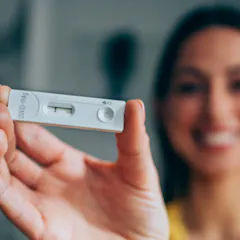
Research shows that rapid antigen tests are performing as well at detecting the most recent dominant variants as they did with the earliest strains in the COVID-19 pandemic.

The pandemic spurred the diagnostics industry to consider aspects like scale, affordability, speed and portability of tests.

One of the consequences of the failure of developing countries like South Africa to authorise self-testing is that it is driving a thriving black market.
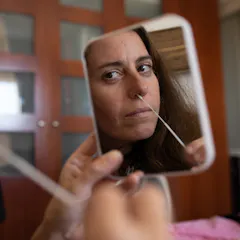
The Biden administration intends to distribute an additional 500 million at-home rapid COVID tests starting in January.
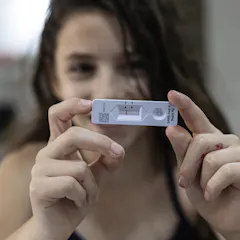
Rapid testing for COVID-19 is an extra safety measure that can help prevent spread of infection, and help you have a more normal holiday, especially if you are visiting vulnerable people.
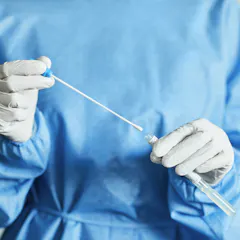
The two types of COVID-19 tests – antigen and PCR – work in very different ways, which is why one is fast but less accurate and the other is slow and precise.
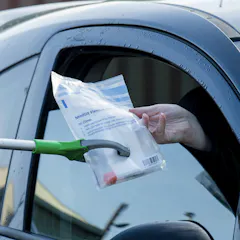
The pilot of mass testing people in Liverpool failed to pick up over half of cases, but this isn’t the end of the road for antigen testing.
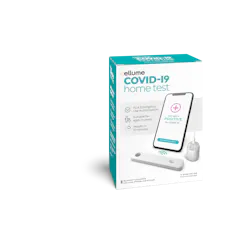
A new over-the-counter COVID-19 test has been authorized by the FDA. Though it can be used to test people with and without symptoms, moderate cost and limited production mean it isn’t a game-changer.
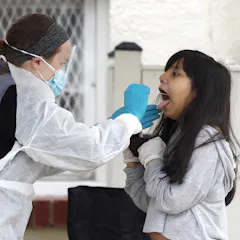
In September, production of rapid tests really ramped up in the US. But due to low accuracy and massive numbers needed, these tests alone are unlikely to have much of an effect on the pandemic.
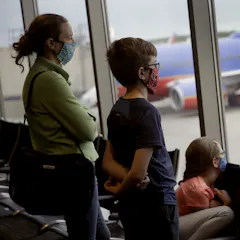
Over the approaching holidays, people around the world will want to travel to see friends and family. Getting tested for the coronavirus can make this safer, but testing alone is not a perfect answer.
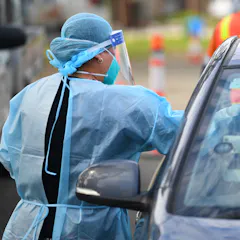
A new test, which can diagnose COVID-19 in 15 minutes, has been approved by the TGA. But it’s no silver bullet.
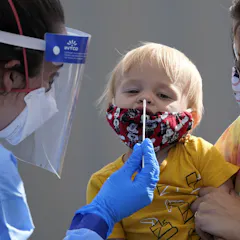
The new BinaxNOW antigen test is quick, easy, accurate and cheap. It could solve the US testing problem, but the emergency use authorization only allows people with COVID-19 symptoms to get tested.
Testing large numbers of people regularly would reduce the spread of the coronavirus in the US. Laboratory testing is slow and expensive, but rapid screening tests could be the answer.
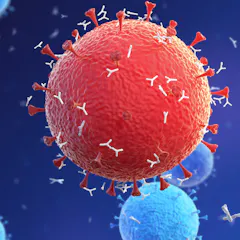
An antigen test was given emergency use authorization by the FDA in early May. A biochemist explains how COVID-19 antigen tests work.
Top contributors
-

Associate Professor of Public Policy, University of Maryland, Baltimore County
-
Associate Professor of Molecular Medicine, UMass Chan Medical School
-
Professor of Microbiology, The Peter Doherty Institute for Infection and Immunity
-
Professor of Biostatistics, University of Arizona
-
Assistant Professor of Epidemiology and Biostatistics, University of Arizona
-
Professor of Food Science, Penn State
-
Professor of Medicine, University of British Columbia
-
Clinical specialist Virology, Stellenbosch University
-
Assistant Professor of Pediatrics, Emory University
-
Senior research fellow, The Peter Doherty Institute for Infection and Immunity
-
Postdoctoral Fellow, University of Pretoria
-
Research Fellow in Applied Moral Philosophy, University of Oxford
-
Associate Professor, Nursing, University of British Columbia
-
Assistant Professor of Epidemiology, Penn State
-
Associate Professor of Medicine, Michigan State University