

New research explores the wide-ranging consequences of record low summer sea ice in Antarctica. From more ocean warming to extra icebergs, it’s bad news we must hear.
Articles on Antarctic wildlife
Displaying all articles

The key to understanding shifts in climate and life on Earth is sustained long-term research. Enabling this research to take place should be a priority for universities and governments.
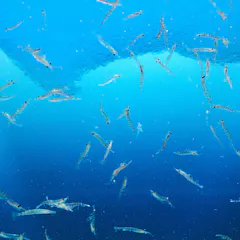
For the first time, we used a computer model of ocean currents to show that krill waste products don’t need to reach great depths to achieve carbon storage for at least 100 years.

A deadly strain of bird flu is circulating in animals. So far the virus has been detected in seabirds on islands near Antarctica. What does this mean for wildlife, tourism and research?
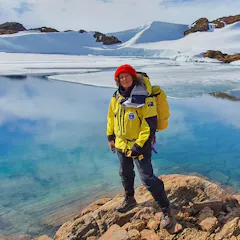
After several decades in research, including 22 years at the Australian Antarctic Division, this scientist is standing up for our icy continent. Here’s why Antarctic research needs ongoing funding.
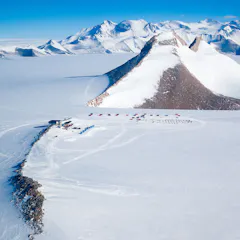
Unravelling the mystery of how life in Antarctica survived past ice ages involved sampling some of the oldest museum records. When combined with a dating database, a familiar story is revealed.
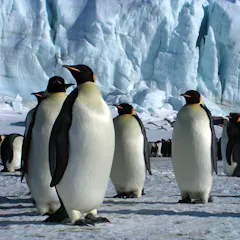
The species at risk include flowering plants, moss and lichens, tough invertebrates and breeding seabirds.
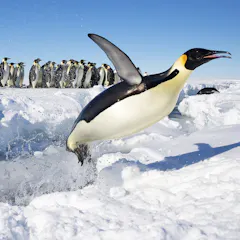
How did penguins end up with so few bones – and become lightning-fast swimmers?
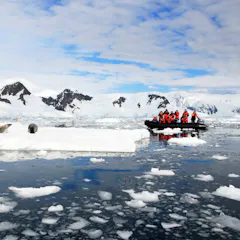
Over six months, 73,991 tourists visited the continent. The potential to spread coronavirus to penguins, whales and other wildlife is enormous.
Top contributors
-

Lecturer, Biological Sciences. Institute of Innovation, Science and Sustainability, Federation University Australia
-
Clinical Assistant Professor of Small Animal Clinical Sciences, University of Tennessee
-
Senior Research Fellow in Antarctic and island conservation science, Queensland University of Technology
-
Professor in the School of Natural Sciences, Macquarie University
-
Senior Research Scientist, Earth & Biological Sciences, South Australian Museum; Adelaide University
-
Director Environmental Informatics Hub, Monash University
-
Chief Investigator in Antarctic environmental science, Monash University
-
Conservation biologist, Queensland University of Technology
-
Senior research fellow, The University of Melbourne
-
Honorary Senior Fellow in Ecology, University of Wollongong
-
Senior Lecturer, Department of Life Sciences, Imperial College London
-
Catchment Biogeochemist, UK Centre for Ecology & Hydrology
-
Professor of Marine Ecology, Plymouth Marine Laboratory
-
Professor of Biology, Trent University
-
Senior lecturer, Institute for Marine and Antarctic Studies, University of Tasmania