

Proposed national standards for chicken farming argue that battery cages are not a significant detriment to hens’ health.
Articles on Animal welfare
Displaying 201 - 220 of 358 articles
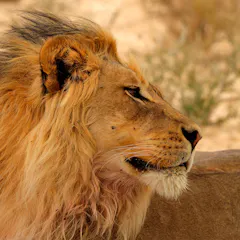
Computer models have produced some very worrying results.
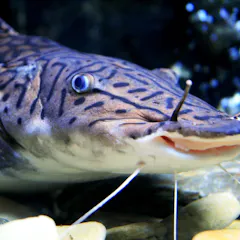
There’s plenty of evidence that even fish have feelings.
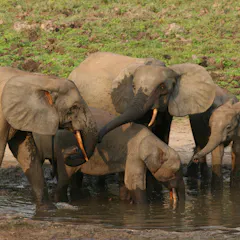
The Trump administration is considering requests from hunters to import wildlife trophies (body parts) on a case-by-case basis. Does this approach promote conservation or threaten endangered species?
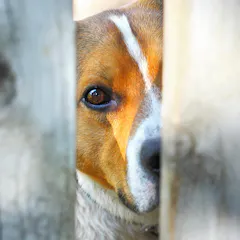
When lawyers represent the interests of abused animals in the courtroom, they help human victims too.

Horse racing is enjoyed by millions of people but there are others who have concerns over animal welfare. A social license to operate may help keep all sides happy.

Consumers need to educate themselves on costs of eating beef and start thinking about choosing low-carbon foods instead.
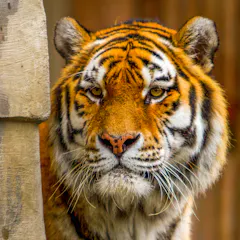
The animals can see you as a threat, so make them feel at home.

George Hamilton published An Appeal for the Horse in 1866, a defence of animal welfare well ahead of its time. However, his compassion for Aboriginal people was conspicuously lacking.

During Hurricane Katrina in 2005, some people died rather than evacuating without their pets. Now emergency managers are required to include animals in their response plans.
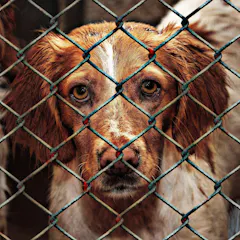
Dogs from intensive ‘puppy farms’ suffer in their early monthslife, with repercussions for them – and their owners – for the rest of their lives.
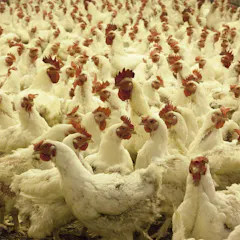
Research suggests it could be down to how our brains are wired.
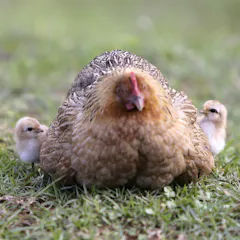
After Snowdale Holdings was penalised A$1 million for lying about their eggs being free-range, here are some tips on getting what you pay for in the supermarket.

More than 50 million birds, mammals and reptiles are thought to be killed each year in New South Wales and Queensland by the removal of native vegetation, and planning laws are failing to protect them.

A growing number of animal advocates want Americans to do more to aid animals raised in farms for food, rather than supporting groups that help cats, dogs and other human companions.
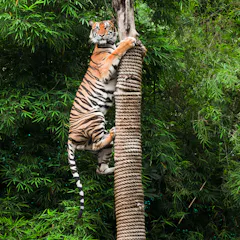
Animal welfare depends on quality of territory not quantity.

The US Department of Agriculture kills thousands of predators yearly, mainly for attacking livestock. A conservation biologist explains why this policy is ineffective and ecologically harmful.
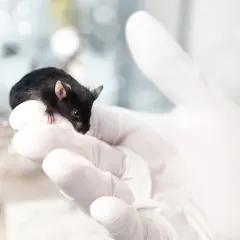
Ethical codes on animal experimentation lay down strict rules about the treatment of lab animals. Animals headed to the slaughter house are not so lucky.

Pet food is a multi-billion-dollar industry that consumes huge amounts of animal protein. A veterinary nutrition specialist explains how to feed dogs and cats healthily and sustainably.
If zoo data was ‘open access’ we could identify the worst before too many animals die.
Top contributors
-

Adjunct Professor in Animal Welfare, Curtin University
-
Professor, School of Veterinary Science, University of Sydney
-
Associate professor, UNSW
-
Professor, Management and Organizational Studies, Huron University College and Coordinator of Animal Ethics and Sustainability Leadership, Western University
-
Post-doctoral Fellow, School of Agricultural, Environmental and Veterinary Sciences, Charles Sturt University
-
Professorial Fellow, University of Canberra
-
Professor of Law, The University of Melbourne
-
Professor of Wildlife Conservation, University of Salford
-
Senior Lecturer, Sydney School of Veterinary Science, University of Sydney
-
Honorary Associate, Australian Institute for Primary Care and Ageing, La Trobe University
-
Honorary Associate, Sydney School of Veterinary Science, University of Sydney
-
Senior Lecturer in Philosophy, Western Sydney University
-
Lecturer in Philosophy, University of Southampton
-
Senior Lecturer in Animal Science, Nottingham Trent University
-
Research Fellow, Animal Welfare Science Centre, The University of Melbourne