
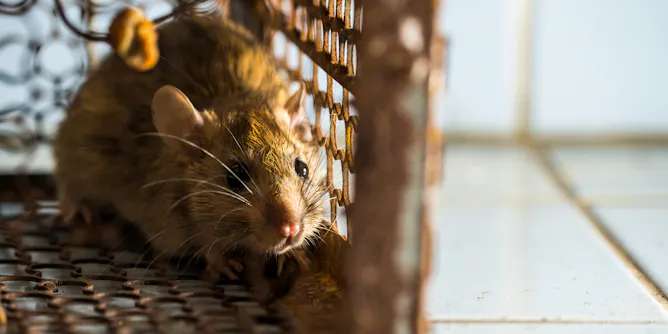
Calling an animal a ‘pest’ can sometimes cause more harm to people than the animal itself.
Articles on Animal ethics
Displaying 1 - 20 of 66 articles

This isn’t just a major animal welfare issue – it’s an economic one as well. And there are steps we can take to resolve it.
It could help ensure the animals in our care are living their best lives.
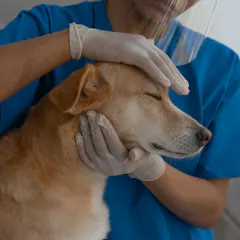
Sometimes criticism of vets is unfair – and harmful. But a new book urges us to reflect deeply on ethics in veterinary services.
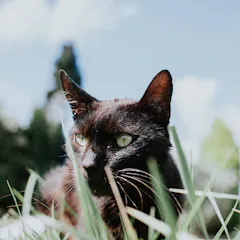
Adding feral cats to the Predator Free 2050 hit-list may be justified – but it also forces us to confront uncomfortable questions about animal welfare.
What matters for consciousness is not what you do, but how you do it.

In a big win for the anti-fur movement, Condé Nast has formalised a fur-free policy across its global titles, including Vogue, Tatler, Glamour and Vanity Fair.
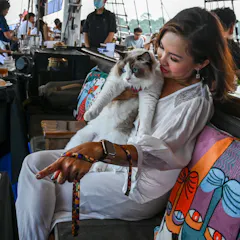
The story of Valerie, the dachshund recaptured after almost 18 months living on Kangaroo Island raises serious questions about what life is best for our pets.

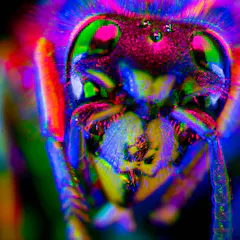
There’s no single, simple way to assess whether bugs feel pain, but research is giving scientists a better understanding of their abilities.
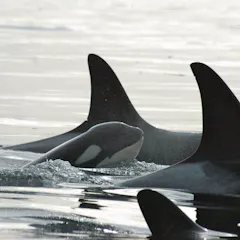
Philosopher Susana Monsó talks to The Conversation Weekly podcast about how animals understand death.
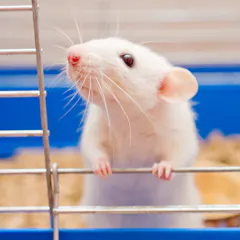
Telling people an animal is destined for the laboratory makes them take a dimmer view of its mental abilities.
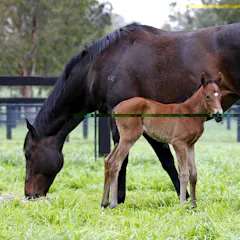
The death of Black Caviar sparked some uncomfortable questions about what retirement actually means for thorughbreds.
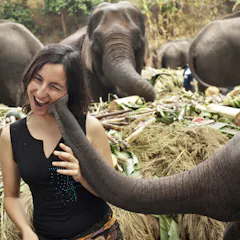
Even self-proclaimed ethical tourism programs can widen economic gaps and harm communities they claim to protect. Here are a few steps you can take as an ethical tourist.

The welfare of wild animals is severely compromised to sustain grouse shooting in Scotland.
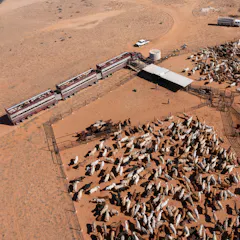
When Peter Singer first published Animal Liberation in 1975, he wasn’t aware of climate change. But the new book, Animal Liberation Now, argues eating plants will reduce greenhouse gas emissions.

Behavior-based interventions could boost conservation efforts, but raise their own set of tricky ethical issues.
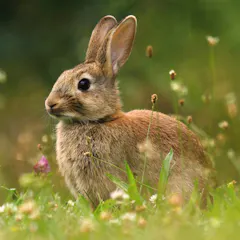
For animals to find the motivation to forage and mate, life must be at least slightly positive.
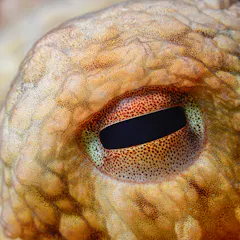
Octopuses are enigmatic beings whose experiences of industrial farming are likely to be profound.
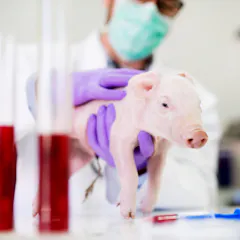
Although there are rules that govern animal research, they don’t answer one important question: when are the gains from research enough to justify the harms it may inflict?
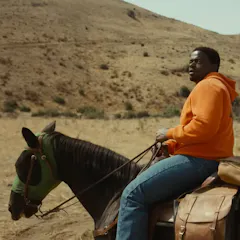
When it comes to our ethical duties to animals, representation and respect should go hand in hoof.
Top contributors
-

Professor, School of Veterinary Science, University of Sydney
-
Honorary Associate, Australian Institute for Primary Care and Ageing, La Trobe University
-
Senior Lecturer in Philosophy, Western Sydney University
-
Professor of Law, The University of Melbourne
-
Professor, Melbourne School of Psychological Sciences, The University of Melbourne
-
Post-doctoral Fellow, School of Agricultural, Environmental and Veterinary Sciences, Charles Sturt University
-
Adjunct Professor in Animal Welfare, Curtin University
-
Professor of Animal Organization Studies, University of York
-
Professor of Urban and Environmental Geography: School of Geosciences, University of Sydney
-
Senior Lecturer in Science Communication, The University of Western Australia
-
The University of Melbourne
-
Professor and Chair of Philosophy, Wageningen University
-
Research officer, Macquarie University
-
CEO, Lead Scientist - eOceans, Dalhousie University
-
Senior Lecturer in Philosophy of Science, University of Sydney