
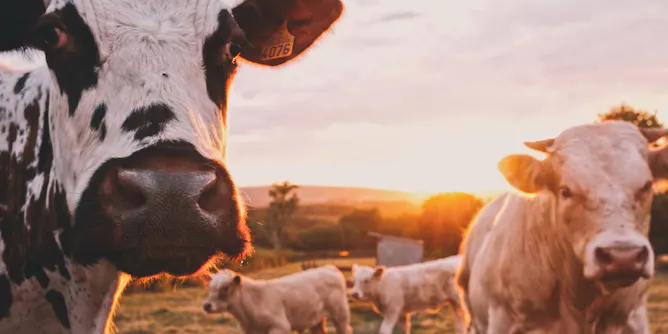
Animal suffering not only harms other species, it endangers our own. Here’s how we can do better.
Articles on Animal welfare
Displaying 141 - 160 of 358 articles
Roaming pet cats kill 390 million animals per year in Australia. But keeping cats inside (or contained outside) 24/7 can actually be in their best interest.
Amid the COVID-19 pandemic, some critics say livestock farms promote diseases that spread from animals to humans. An animal scientist explains how well-run farms work to keep that from happening.
Sheep exported live for slaughter in the Middle East are routinely exposed to high temperatures.

Stressed animals are more likely to harbour new diseases because their immune systems are compromised.

The overwhelming majority of us say we care about animal welfare. But when it comes to shopping, our actions often take a different turn.

Climate change, globalization and concerns about rat poison soon could drive rat infestations to levels not seen in centuries. One way to curb them is getting humans to stop wasting food.
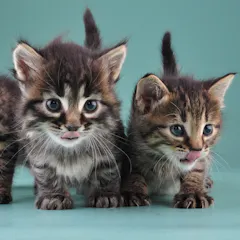
Compulsory microchipping has the potential to improve the identification and reunification of missing and stolen pets, but this potential can only be met if the current system is fixed.

If harm to native wildlife is the main concern then there are much bigger targets for control than grey squirrels.
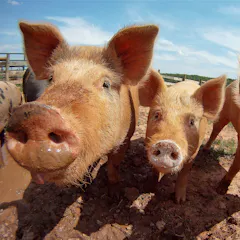
US federal regulations say little about how animals on organic farms should be treated. So if you’re planning to serve an ethical holiday dinner, you’ll have to do some research.

Russian experiments with VR for cows are unlikely to achieve much, going by past research on how animals interact with computers
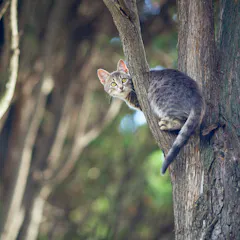
Animals don’t just need enough space to live – they need the right kind of space, too. An animal welfare lawyer defends our pets’ ‘right of place.’

Pressure is mounting on Australia’s dairy farmers, from farm gate prices to animal welfare concerns, and technology that could produce milk without cows.
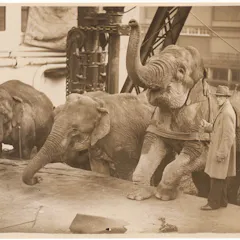
Born in 1831, at a time when animals were widely regarded as property, Frances Levvy used the power of the press and the passion of children to advocate for their welfare.
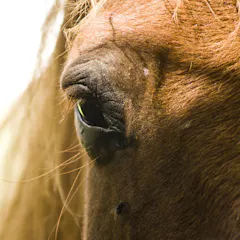
Our reaction to the horse-slaughter scandal show a double standard, and suggest we care more about what racehorses mean to us than what’s best for the animal.

Race horses should be bred for both speed and durability so owners have an incentive to keep them racing fit and away from the abattoirs.
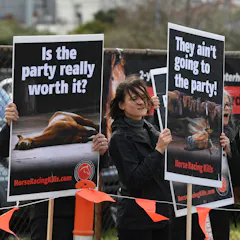
An investigation by ABC journalists has revealed hundreds of former racehorses are slaughtered after retiring.
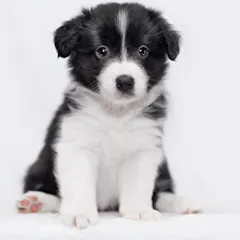
Pet theft can devastate families and cause animals significant distress – the law needs to change.
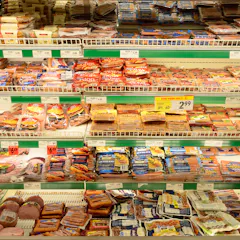
Meat producers are lobbying in many states to keep the word ‘meat’ off labels of plant-based products like the Impossible Burger. But this may not clarify shoppers’ choices.
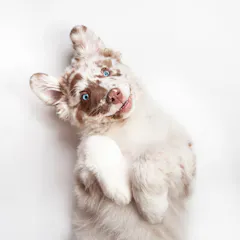
The new law is largely symbolic so the ACT can boast animal welfare credentials without putting animal-related industries offside. Still, it could create positive change.
Top contributors
-

Adjunct Professor in Animal Welfare, Curtin University
-
Professor, School of Veterinary Science, University of Sydney
-
Associate professor, UNSW
-
Professor, Management and Organizational Studies, Huron University College and Coordinator of Animal Ethics and Sustainability Leadership, Western University
-
Post-doctoral Fellow, School of Agricultural, Environmental and Veterinary Sciences, Charles Sturt University
-
Professorial Fellow, University of Canberra
-
Professor of Law, The University of Melbourne
-
Professor of Wildlife Conservation, University of Salford
-
Senior Lecturer, Sydney School of Veterinary Science, University of Sydney
-
Honorary Associate, Australian Institute for Primary Care and Ageing, La Trobe University
-
Honorary Associate, Sydney School of Veterinary Science, University of Sydney
-
Senior Lecturer in Philosophy, Western Sydney University
-
Lecturer in Philosophy, University of Southampton
-
Senior Lecturer in Animal Science, Nottingham Trent University
-
Research Fellow, Animal Welfare Science Centre, The University of Melbourne