
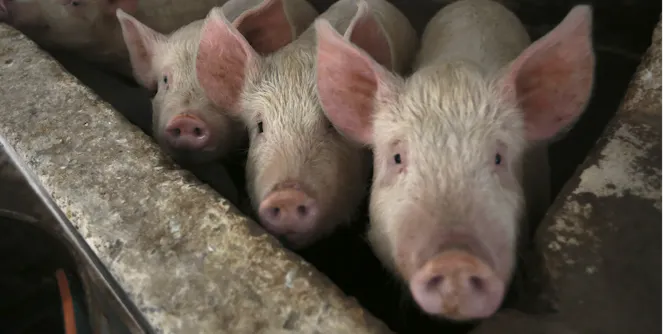
First published in 1975, Animal Liberation opened our eyes to the exploitation of animals. At a time of ‘ag-gag’ laws and ‘skyscraper’ farms, a new edition assesses the state of animal rights today.
Articles on Animal intelligence
Displaying 21 - 40 of 54 articles
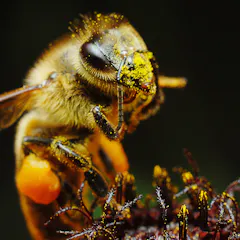
We all know bees are vital pollinators. But they’re also art critics, social learners, dancers and so much more.
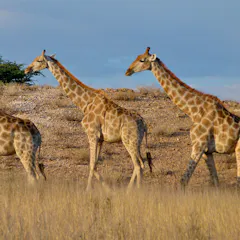
Giraffes are the latest animals to show they can solve tasks using statistical reasoning – and the only one to do this with a small brain relative to body size.
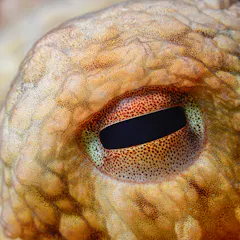
Octopuses are enigmatic beings whose experiences of industrial farming are likely to be profound.
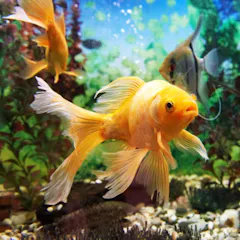
Why an exploding aquarium in Berlin should destroy prevailing myths about the inner lives of fish.

Using urine and signature whistles from other dolphins, a team of scientists has shown that dolphins use signature whistles like names and hold mental representations of other dolphins in their minds.

The miniature brains of honeybees were able to understand the concepts of odd and even, despite only having 960,000 neurons (compared to 86 billion in humans).

When a bee leaves the hive for the first time to go foraging, how does she know what a flower even looks like?
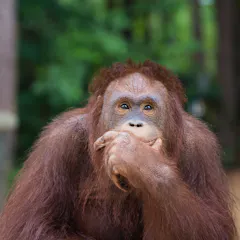
A wide range of animals seem to have a grasp of numbers – but humans hold the trump card.

They can open jars, use tools, remember instructions and attack on command. But they’re still not the smartest cephalopod in the sea…

Some animals, such as California sea lions, have small brains relative to their body size, but are still impressively intelligent, showing brain evolution is even more complex than it appears.
You share the same drug habits, the same age-related memory problems and are similarly impatient when forced to wait for food.
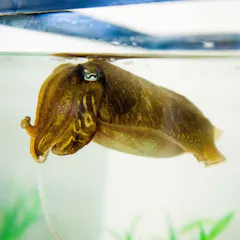
A marine version of the Stanford marshmallow experiment helped show cuttlefish can delay gratification.
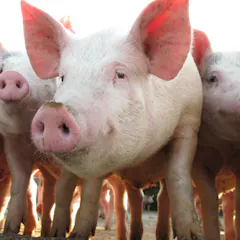
The pigs used a joystick to move a cursor for rewards.

A new study found some dogs learn the name of a new object after hearing it only four times.
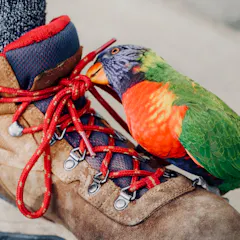
For the past 50 years, international animal cognition research has focused on how tool use is related to animal intelligence. But new research casts doubt on long-held assumptions.
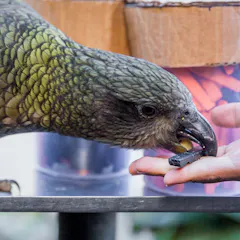
Kea were able to correctly guess the most probable scenarios, by evaluating various physical and social cues. Previously, only great apes and humans were known to be able to understand probability.
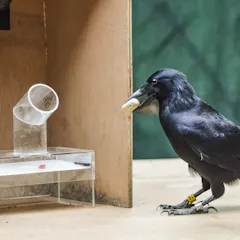
New Caledonian crows are famous for using tools to reach a reward. Now scientists have confirmed they can plan several steps ahead, like a chess player contemplating a series of moves.
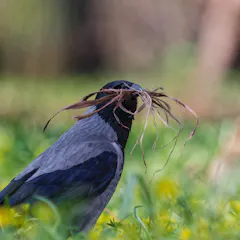
New research provides early evidence of general intelligence in animals.
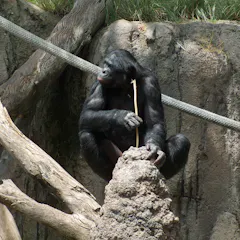
Species that use tools aren’t necessarily better at solving problems than species that don’t.
Top contributors
-

Research Fellow, School of Biological Sciences, Monash University
-
Associate Professor, Department of Physiology, Monash University
-
Emeritus Professor in Animal Behaviour, University of New England
-
Professor of Quantum Physics and Australian Research Council Future Fellow, RMIT University
-
Docteur en biologie spécialisée en comportement animal, University of Zurich
-
Associate Professor of Neuroscience and Behavioural Analysis, University of Surrey
-
Principal Lecturer in Wildlife Conservation, Nottingham Trent University
-
PhD student in Biology, University of Rochester
-
Lecturer in Animal Science, Newcastle University
-
Senior Lecturer, Centre for Behaviour and Evolution, Newcastle University
-
Postdoctoral Researcher, Universität Wien
-
Wellcome Trust Research Fellow in Philosophy, University of Oxford
-
Researcher in Cognitive Zoology, Lund University
-
Professor of Cognitive Neuroscience, Georgia State University
-
Senior Lecturer in Philosophy and Education; Curriculum Director, UQ Critical Thinking Project, The University of Queensland