
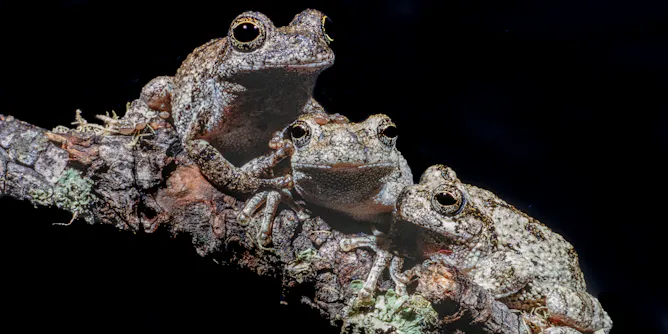
Many animal species – frogs and humans alike – struggle to make choices in a complex, overwhelming world.
Articles on Animal cognition
Displaying 1 - 20 of 23 articles

On your mental number line, are the numbers smaller on the left or on the right? Two comparative cognition researchers explain how culture may influence the orientation – but also may not.
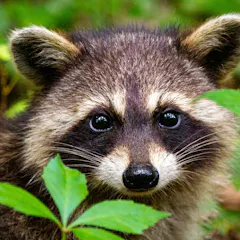
Researchers have discovered raccoons to be intrinsically motivated to solve multiple puzzles, even without a food reward.
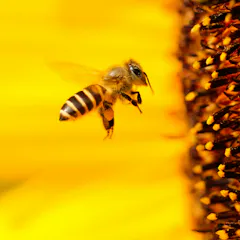
Listen to biologist Scarlett Howard speak in defence of ecologically irrelevant experiments on The Conversation Weekly podcast.
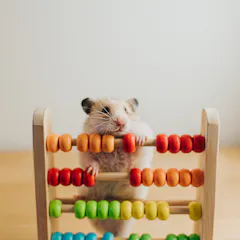
How researchers measure the logical reasoning of monkeys, pigeons, rats, fish and wasps shapes how they understand mental processes in animals − and in people.
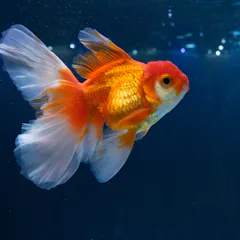
Why do researchers care if a bee can learn to recognise a human face? When we push animals outside familiar territory, we can learn a lot about intelligence.
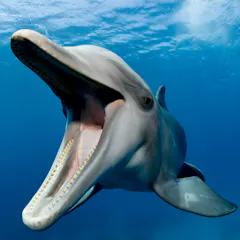
Many animals show signs of high intelligence, including strong memory, self-awareness and communication skills.
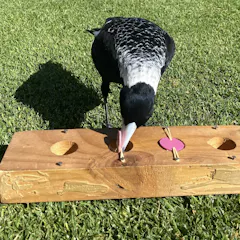
Magpies are expert problem-solvers – but just how good they are seems to depend on the size of the social group they grow up in.

Understanding how animals think, learn and interact with one another can inform the science of ecology, as predator and prey shape their world.
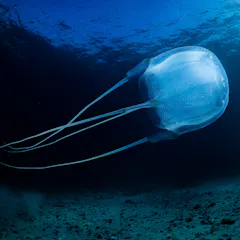
Box jellyfish have no brains, yet were recently found to be able to learn from touch. Many brainless organisms are now forcing us to rethink what it means to learn.
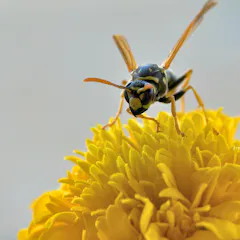
Have we overlooked the intelligence and value of wasps?
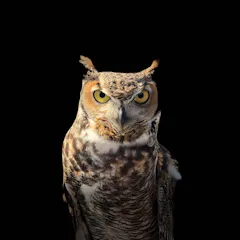
From jellyfish to genius, the amazing diversity of animal minds around us evolved through five major changes in the computational capacity of brains.
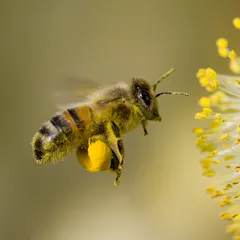
Picking the correct flowers is a crucial job for honey bees, so it’s no wonder they are incredibly efficient at it. But how can such little brains do it?
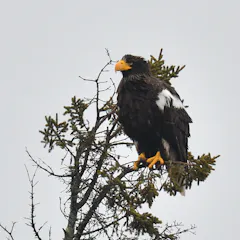
A Steller’s sea eagle, native to the Asian Arctic, has traveled across North America since 2021. A scholar questions whether the bird is lost – and how well humans really understand animals’ actions.
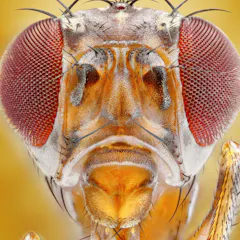
This new study could help researchers understand conditions such as autism and help fight climate change by reducing the carbon footprint of AI.

You can tell how close penguins are to each other by how similar their voices are.
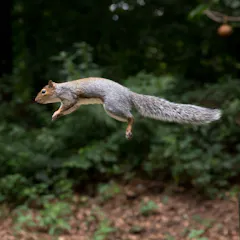
How do squirrels leap through trees without falling? It takes strength, flexibility and finely tuned cognitive skills.

Measuring the heart rate of animlas can reveal their changing emotional state, even when their behaviour stays the same.
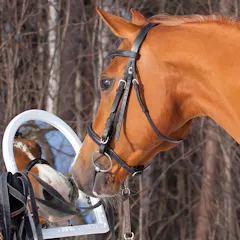
Only a few individual animals have recognised themselves in mirrors before.
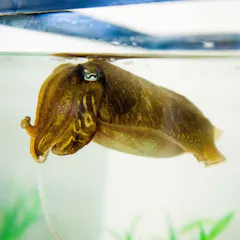
A marine version of the Stanford marshmallow experiment helped show cuttlefish can delay gratification.
Top contributors
-

Research Fellow, School of Biological Sciences, Monash University
-
Professor of Psychology, Drake University
-
Professor, School of Natural Sciences, Macquarie University
-
Visiting Researcher in Theology, Boston University
-
Professor of Behavioural Biology, Anglia Ruskin University
-
Associate Professor, School of Life and Environmental Sciences, University of Sydney
-
Associate Professor, Department of Physiology, Monash University
-
Associate Professor of zoology, Università di Torino
-
Professor of Neuroscience, Colorado College
-
Professor of Psychology, University of California, Berkeley
-
Emma MacLachlan Metcalf Chair of Humanities, Boston University; University of Cambridge
-
Emeritus Professor in Animal Behaviour, University of New England
-
Postdoctoral Fellow in Ecology, University of Alberta
-
Group Leader, The Francis Crick Institute
-
Research Fellow in Comparative Psychology, University of Cambridge