

A liquid injected into the heart that sets like a gel could one day prevent strokes caused by atrial fibrillation, animal tests suggest.
Articles on Animal research
Displaying 1 - 20 of 35 articles

Around 200 million animals are used in lab research around the world each year. Organoids may one day replace them.

There’s no single, simple way to assess whether bugs feel pain, but research is giving scientists a better understanding of their abilities.
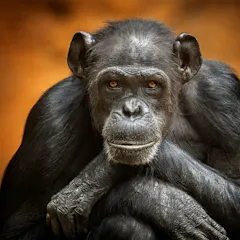
Plans to give great apes personhood are long overdue - but they could set back animal rights for other species.
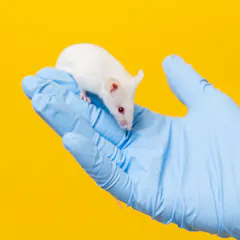
Here’s why so few drug candidates in animal trials end up as human therapies.

Giraffes are the latest animals to show they can solve tasks using statistical reasoning – and the only one to do this with a small brain relative to body size.
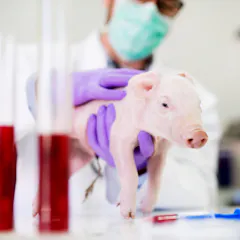
Although there are rules that govern animal research, they don’t answer one important question: when are the gains from research enough to justify the harms it may inflict?
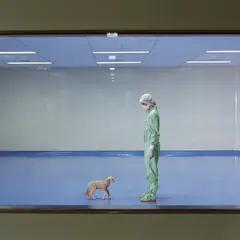
Guidelines and regulations weigh the medical and health benefits of animal research with researchers’ ability to ensure humane care of their subjects from start to finish.

The public’s lack of knowledge about animal research can cause a moral conflict. Institutions that use animals in research need to be more transparent about their practices.

Medical research to benefit people is first conducted in animals. Creating a new biomedical model by inserting human immune cells into pigs may lead to new insights and treatments.
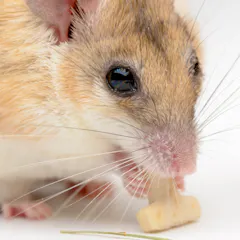
Discovering a mouse with a reproductive system surprisingly similar to our own is good news for pregnancy research.
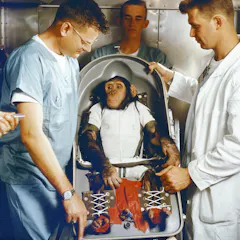
The strange journey of Ham the chimpanzee from a rainforest in Cameroon to the edge of space.
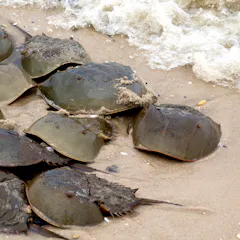
A chemical refined from the blue, copper-based blood of horseshoe crabs helps identify contaminants in medical equipment inserted into humans.

The three-toed skink can give birth to live young and lay eggs in the same pregnancy. What can this little critter teach us about the evolution of live birth?

The rise in female researchers has expanded our knowledge of female biology in human and nonhuman animals.
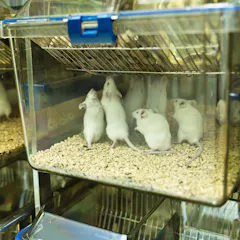
Since 2012, more than 120 of Britain’s universities, research institutions and pharmaceutical companies have signed a public pledge committing them to greater openness in their animal research programs.

Many people feel conflicted about the use of animals in scientific research. But what is actually involved?

You would need to drink over a thousand bottles of red wine per day to get the amount of resveratrol - the compound said to have many health benefits - needed to even have an effect.
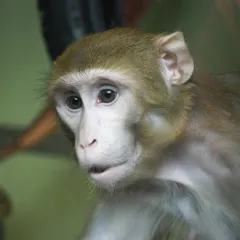
Without research on primates, we wouldn’t be able to understand the human brain – or repair it.
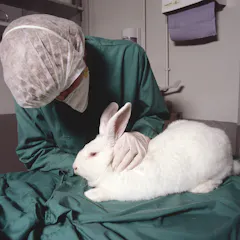
Varying animal standards across the globe is leading to unnecessary suffering as well as conflicting research results.
Top contributors
-

The University of Melbourne
-
Honorary Associate, Australian Institute for Primary Care and Ageing, La Trobe University
-
PhD Scholar, University of Sydney
-
Research Fellow, The University of Melbourne
-
Professor of Psychology, University of Bath
-
Senior Research Fellow, Uehiro Centre for Practical Ethics, University of Oxford
-
Professor of Anatomical Neuropharmacology, University of Oxford
-
Research Assistant Professor of Psychology, University of Tennessee
-
Lecturer, UCL
-
NHMRC Senior Lecturer, School of Medical Sciences, UNSW
-
Post-doctoral Research Fellow, Vancouver Island University
-
Research officer, Macquarie University
-
Senior Lecturer in Philosophy, Western Sydney University
-
Professor of Movement Neuroscience, Newcastle University
-
Senior lecturer, Australian Catholic University