
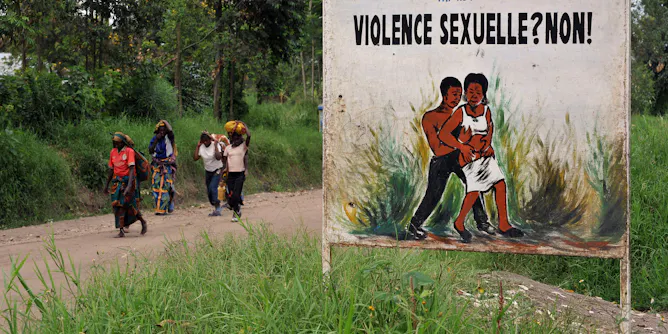
Men and women who took part in an interfaith programme experienced a remarkably lower incidence of violence, even years later.
Articles on Allyship
Displaying 1 - 20 of 24 articles

The reasons colleagues stay silent when co-workers are mistreated may not be what you assume − and it’s not what companies typically spend money on in their efforts to create a fair environment.

The impostor phenomenon shows up with allyship too, new research shows. When people wrongly feel like they don’t have the skills to support their colleagues, the result can be a vicious cycle.
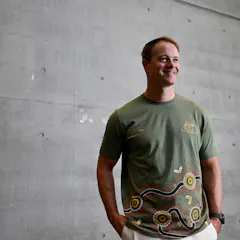
Here’s what First Nations Knowledge Holders think about ally wear, respect and responsibility.

Problems in Canada-U.S. relations force us to confront how friendship as a bond is fragile, conditional and always on the brink of rupture
Allyship is most needed in male-dominated environments, where gender equity efforts are often met with the greatest resistance.

Will & Harper is a touching road movie documentary which, at its core, is a celebration of friendship.

Why the views of men in positions of power and influence matter so much.
Defining allyship can be challenging. Some people disagree about who an ally is. Others disagree about what an ally does.

While Canadians are supportive of 2SLGBTQ+ communities, relatively few see themselves as active allies. Here are five steps people can take to be better allies.

The Barbie movie has caused a media storm, even before the photo of the pink-clad Canadian PM and his son circulated on social media. Much of the conversation has zoned in on men and masculinity.
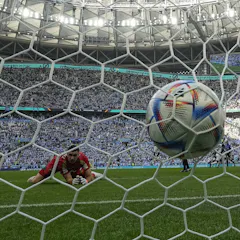
To make men’s soccer a more inclusive space, organizers and players must put allyship above profits and winning.

Finding ways to make talking about diversity less of a confrontation and more of a dialogue is crucial.
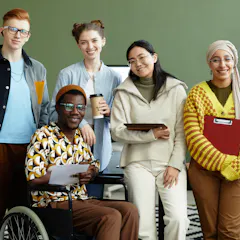
Diversity terms often involve decades of scholarship being reduced to a single word. Understanding them – and knowing how to explain them – is crucial.

Rather than trying to take agency away from First Nations people, sometimes white allies need to take a step back.

White denialism of racism provokes a narrative of ‘us versus them.’ Self-reflection and listening are among the ways to be accountable for interrupting and eradicating racism.

While women felt more included when they perceived male colleagues as allies, men who saw themselves that way reported more personal growth as a result.

Companies need to make sure every voice is heard.
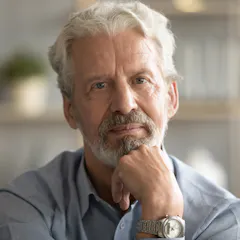
Many men may be wondering how they can help make this moment count for gender equality. Which type of ally will you be?

It starts with a basic conversation about their needs and fears.
Top contributors
-

Professor of Management, Western Washington University
-
Senior Lecturer in Organizational Behavior and Human Resource Management, University of Stirling
-
Assistant Professor of Psychology, Western Washington University
-
Associate Professor in Management Strategy and Organisation, University of Bath
-
Associate Dean Education, Gnibi College, Southern Cross University
-
Senior Research Fellow, Australian Research Centre in Sex, Health and Society, La Trobe University
-
Honorary Research Fellow in the Department of Sociology, Durham University
-
Post-Doctoral Associate, University of Calgary
-
Professor, Manchester Metropolitan University
-
Associate Professor, Faculty of Health and Community Studies, MacEwan University
-
Research Professor, Masculinities Studies, School of Education, University of Calgary
-
Lecturer in Criminology, The University of Melbourne
-
Professor/ Director of Research (School of Education), Murdoch University
-
Lecturer in Cultural Studies in Health
-
Professor and Associate Dean - Diversity, Belonging, Inclusion, and Equity, Australian National University