
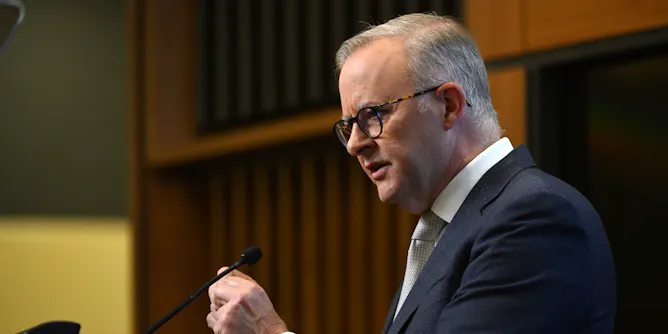
The measures follow Albanese’s recent visit to Alice Springs
Articles on Alcohol-related violence
Displaying all articles

When the drinking age was lowered to 18 In 1999, critics warned it would cause an increase in alcohol-fuelled crime. But as changing the age limit is debated again, the evidence is mixed.
The collection and analysis of data used for making policy should be independent and open to ensure public trust in decision-making. The debate over alcohol licensing shows why this matters.

Rates of unwelcome advances haven’t changed under Queensland’s ‘Tackling Alcohol-Fuelled Violence’ policies. In one entertainment district, it happened to 26% of women the night they were interviewed.

Even after ‘Tackling Alcohol-Fuelled Violence’ policies took effect in 2016, Queenslanders still drink more heavily on nights out. Reported levels of aggression are higher than in other states too.

A comprehensive two-year evaluation of statewide measures introduced in 2016 has shown it’s possible to reduce alcohol-related violence while also producing economic benefits.

A program aimed at getting people home safely has cost A$300 million but has had little impact, aside from increased intoxication in CBD venues. Rates of assaults and road crashes are much the same.

The relationship between alcohol and violence is complex, and dramatic changes to criminal laws to punish intoxicated offenders are often ineffective, unfair or both.
Top contributors
-

Professor of Violence Prevention and Addiction Studies, Deakin University
-
Professor, Director of Research and Statistical Support Service and Program Leader for Substance Use and Mental Health, Centre for Health Services Research, The University of Queensland
-
UQ Amplify Senior Research Fellow, School of Public Health, The University of Queensland
-
Research Fellow, Deakin University
-
Auckland University of Technology
-
Professorial Fellow, University of Canberra
-
Research Assistant, The University of Queensland
-
Senior research fellow and lecturer, University of Technology Sydney
-
Research Fellow, Deakin University
-
Lecturer, School of Psychology, Deakin University
-
Senior Research Fellow, New Zealand Policy Research Institute, Auckland University of Technology
-
Director of Technology UTS Human Technology Institute, Professor of Mathematcis and Statistics, University of Technology Sydney
-
Professor in Faculty of Law and Justice, UNSW
-
Research Associate, Auckland University of Technology
-
Professor, Centre for Alcohol Policy Research, La Trobe University