
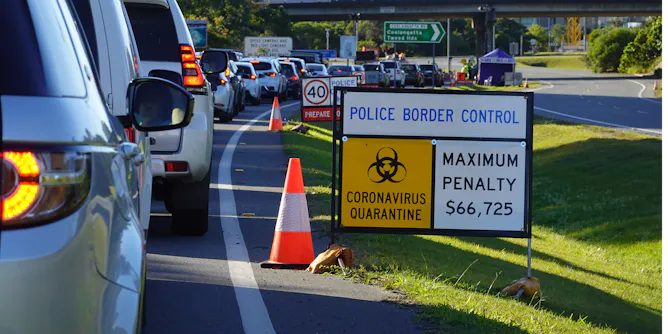
From the vaccine rollout, to hotel quarantine, to understanding the science of the virus, a range of experts look back at how Australia fared.
Articles on Airborne transmission
Displaying 1 - 20 of 24 articles
For many of us, COVID has become just a bad memory, despite its lasting and mixed legacies. While the media have largely lost interest in COVID, and people are now rather blase about it, the disease is still taking a toll.
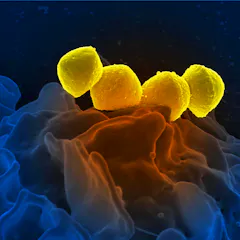
An increase in serious illnesses caused by group A Streptococcus has recently made Strep A a growing concern in Canada and elsewhere. Here’s why and how it’s spreading, and what symptoms to look for.
Residents of group homes and long-term care are at high risk for COVID-19. But an important aspect has been left out of Public Health Ontario’s guidance for these facilities: indoor air quality.

COVID has given us the opportunity to ensure our air is as safe as our water. It needn’t be expensive.

To discover your risk of catching coronavirus for any given situation, try our COVID-19 Aerosol Transmission Estimator.

Avoid poorly ventilated parts of the building if you can. And always wear a mask when you open your door.
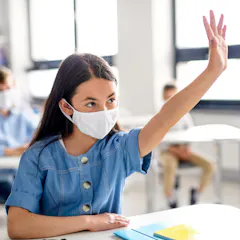
Most kids will be unvaccinated if schools in the two largest states re-open in term 4. There may still be community transmission, but there are measures we can take to shield kids from the virus.

With evidence showing the COVID virus is airborne, it’s no coincidence many outbreaks in schools have occurred in winter – when windows are closed.

We found two small air cleaners in a single hospital room could clear 99% of potentially infectious COVID aerosols within 5.5 minutes.

The evidence shows the main way COVID-19 spreads is through the air. I propose 3 steps Australia needs to take to protect people from infection risk and other indoor air hazards.

Because COVID-19 is airborne, we can’t know if the shelter system is as safe as it should be without seeing metrics related to ventilation, filtration and occupancy.
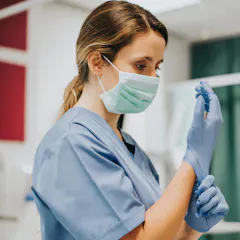
Health workers have long called for better protections against COVID-19. Well fitting masks are now required when caring for COVID-19 patients. But the guidelines on ventilation miss the mark.
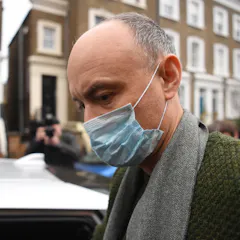
Look back in anger – and forward with better policies.

Will new guidelines on how to protect front-line workers acknowledge the coronavirus can spread via the air we breathe? It’s time they did.

Airborne transmission is likely to be behind several recent leaks in hotel quarantine. But the Northern Territory has a quarantine model that works.
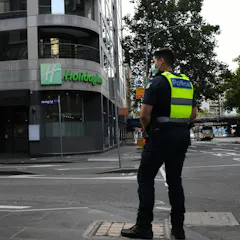
The revamped Victorian hotel quarantine system appears to have addressed the weaknesses of the previous system, particularly around the risk of airborne transmission.

Keeping windows open while driving at a moderate speed can increase airflow inside the cabin of the car, but which ones should you keep open?
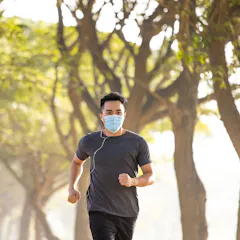
We should be thinking about airborne transmission of coronavirus.

Super-spreader events typically have the ‘three Vs" in common: indoor venues, poor ventilation and vocalisation. But many buildings frequented by the public lack ventilation or the means to monitor it.
Top contributors
-

Adjunct Professor of Architecture, University of Technology Sydney
-
Associate Principal Research Fellow, Burnet Institute
-
Professor of Global Biosecurity, NHMRC L3 Research Fellow, Head, Biosecurity Program, Kirby Institute, UNSW
-
Professor of Primary Care Health Sciences, University of Oxford
-
Professor of Public Health, University of Toronto
-
Associate Professor, Epidemiology, Deakin University
-
AI, Medicine and Data Justice Post-Doctoral Fellow, Queen's University, Ontario
-
Emeritus Professor, Faculty of Science, University of Technology Sydney
-
Professor, Department of Civil & Mineral Engineering, University of Toronto
-
Adjunct Assistant Professor, Health Policy, Vanderbilt University
-
Associate Professor, Infectious Diseases, The University of Melbourne
-
Professor, The Peter Doherty Institute for Infection and Immunity
-
Postdoctoral Fellow, Biomedical Engineering, Purdue University
-
Professor of Epidemiology Healthcare Infection and Infectious Diseases Control, UNSW
-
Doctoral student in Biomedical Engineering, Purdue University