
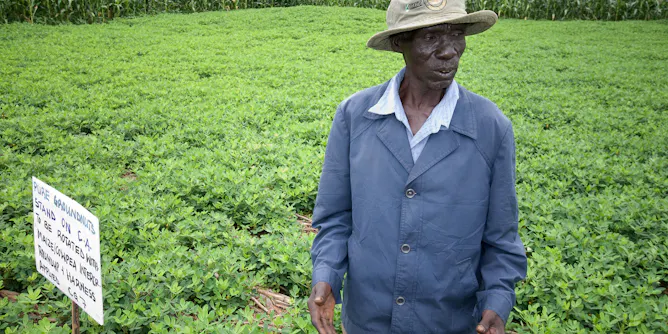
Just three plant species – wheat, maize and rice – account for 60% of all food eaten globally. A crop science expert argues that many of Africa’s 30,000 edible plants must be revived.
Articles on Agrobiodiversity
Displaying all articles
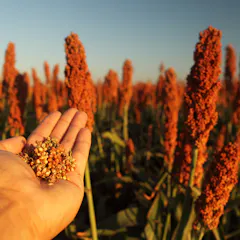
Known as ting or amazimba, indigenous sorghum is resilient and rich in cultural and health benefits – yet crops are declining.
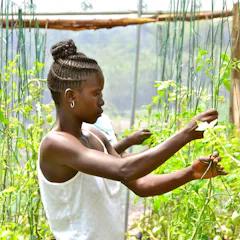
Hardline positions could narrow the options available to farmers and conservation practitioners in a way that can be harmful to both.

Fruit production of shea is often limited by a lack of pollination which is more pronounced in places with less tree and shrub diversity.
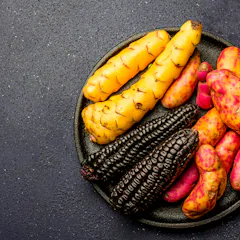
Over half the calories humans eat today come from corn, wheat and rice. Raising a greater diversity of types of crops and animals (agrobiodiversity) makes diets healthier and farming more resilient.
Top contributors
-

Professor of Geography, Penn State
-
Associate professor, Global Change Institute, University of the Witwatersrand
-
Researcher, Trinity College Dublin
-
Professor of Climate Change, Food Systems and Health and Director of The Lancet Countdown in Africa, London School of Hygiene & Tropical Medicine
-
Professor, University of Nairobi