
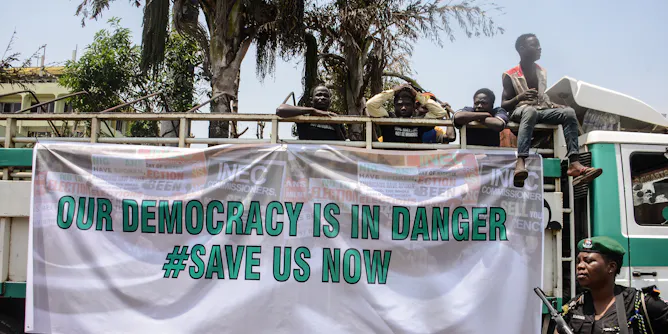
Parliaments can rescue democracy by encouraging engagement and genuine public participation.
Articles on Afrobarometer
Displaying 1 - 20 of 31 articles
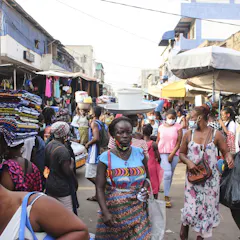
Togo has long pursued a pragmatic and independent foreign policy that serves its national interests.
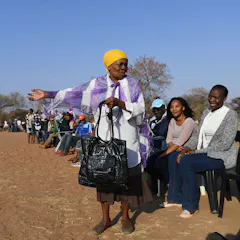
In Botswana women represent 54% of eligible voters, but about 10% of candidates. Political parties could change that.

Youth citizenship is a fluid identity that stretches beyond disappointment, protest or voting.

South Africa’s civil service has failed to implement policies to eradicate poverty, inequality and unemployment.
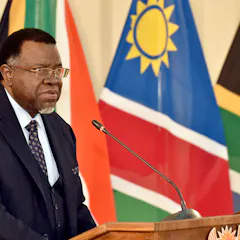
Hage Geingob’s legacy as a moderniser will live on despite contradictions and unfulfilled promises.
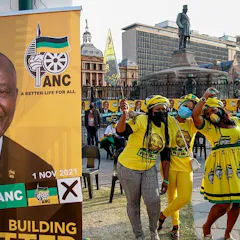
Dissatisfied ANC voters were much more likely to switch their votes if they held positive views of an opposition party. However, the problem for the opposition is that few people held these views.
Finding the right balance between media freedom and limits remains one of the greatest challenges modern democracies face.

The legitimacy of SWAPO, the former liberation movement that has governed since 1990, has been eroded amid growing corruption and a deepening economic crisis.
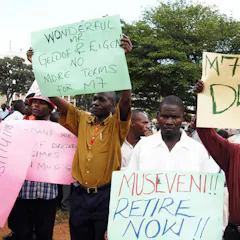
Trouble in Africa’s cities is due to the fact that electoral competition drives leaders to be biased towards rural areas.
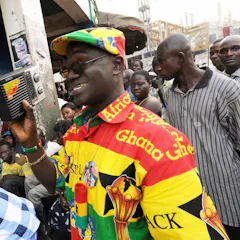
The most popular broadcast medium in Ghana has gone through a politically fuelled evolution that has strengthened it.
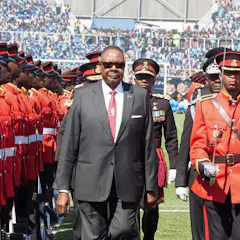
Will the same electoral commission, so heavily criticised in the court’s ruling, improve its capacity and arrange more credible elections?
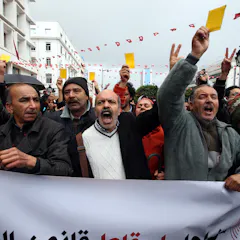
Western perceptions of what’s happening in Tunisia differ sharply with Tunisia’s daily reality: the truth is that its political transformation is in trouble.
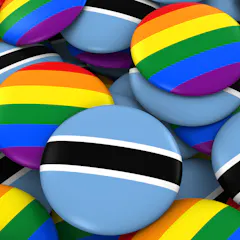
By placing less emphasis on public opinion, and questioning public morality as the basis of its decision, the latest High Court decision shows that times have indeed changed.
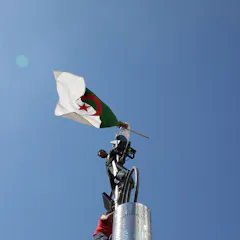
Government restrictions on individual freedoms in the name of public security is increasing.
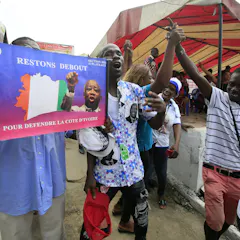
Despite former Ivorian president Laurent Gbagbo’s absence, he continued to influence opposition party loyalties in the country.
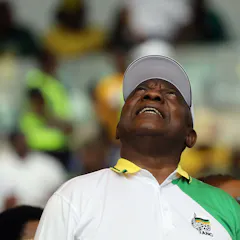
The African National Congress faces two big challenges: fewer South Africans trust it, while its electoral support has been waning.
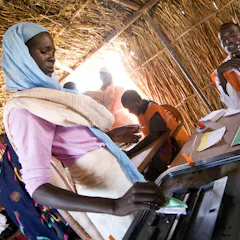
Surveys shows that the majority of Africans prefer democracy, despite its flaws, to the alternatives.

A new survey suggests opposition Zimbabwean leader Nelson Chamisa is closing in on the ruling Zanu-PF’s President Emmerson Mnangagwa.

Local governance can have a real effect - positive or negative - on the quality of schooling.
Top contributors
-

Extraordinary Professor, Department of Political Sciences, University of Pretoria
-
Afrobarometer Senior Analyst/Methodologist, University of Cape Town
-
Director of the Leaders of Africa Institute and Research Affiliate with Davidson College, Davidson College
-
University Distinguished Professor of Political Science and African Studies, Michigan State University
-
Deputy Director of the Afrobarometer & Associate Professor in the Department of Political Science and MSU’s African Studies Center, Michigan State University
-
Senior economist, IFC, World Bank Group
-
Research Fellow, University of Antwerp (Belgium) and University of the Free State (South Africa), University of the Free State
-
Research Associate, Dept of Anthropology & Development Studies and Fellow, Clare Hall, University of Cambridge, University of Johannesburg
-
Honorary Professor of International Relations, University of the Witwatersrand
-
Professor in Government and Public Policy, University of Strathclyde, and Adjunct Professor in the Nelson Mandela School of Public Governance, University of Cape Town, University of Strathclyde
-
Senior Lecturer in International Relations, University of Aberdeen
-
Associate Professor of Political Science, Michigan State University
-
Lecturer of Communication Studies, University of Cape Coast
-
Honorary Research Fellow, School of Social Sciences, University of Aberdeen
-
Associate Professor of Government, University of Oxford