
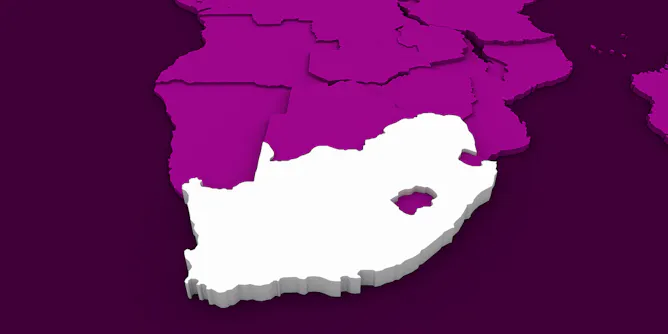
South Africa considers itself to be playing a key role in promoting the ‘African Agenda’ in continental and world affairs. But perceptions in the rest of Africa tell a different story.
Articles on African Union (AU)
Displaying 221 - 240 of 289 articles

The Global Trends report provides a useful starting point to reflect on what’s in store for Africa over the next five years. And how the continent should think about responding to its challenges.
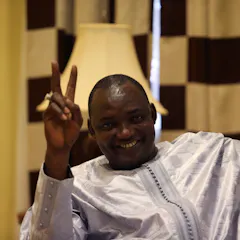
There is a real sense of optimism in The Gambia: for the first time since Yahya Jammeh came to power, there has been open dissent of the regime and a feeling of ownership of the country’s future.

Africa needs to learn from the experiences of others who have negotiated free trade pacts. In particular it needs to ensure its process is inclusive and does not pander to a few special interests.
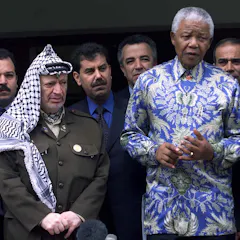
South Africa’s decision to leave the ICC suggests that its foreign policy is caught in a dilemma between lofty ideas, an unsettled identity crisis, and shifting priorities in a complex world.
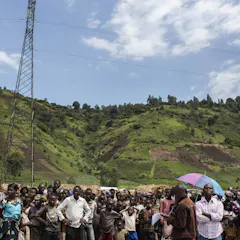
As long as the EU strikes deals with dictators and pushes trade agreements that worsen the economic situation in many African countries, attempts to reduce migratory pressure will fail.
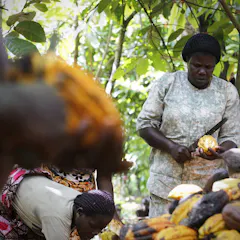
The creation of a UN special rapporteurship on the right to development should help develop practical solutions on how the right could be realised.
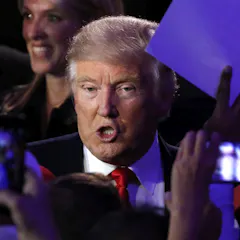
The world’s best known talk show host has become the president-elect of the most powerful country in the world. Trump running the US is unlikely to be good news for Africa.
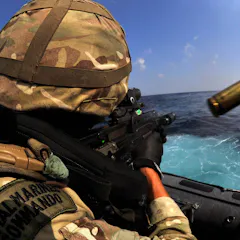
Managing maritime security is a challenging endeavour. Forms of maritime crime include piracy, drug and arms smuggling.
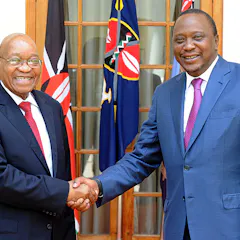
Ironically the campaign to withdraw from the ICC was mainly initiated by the very same governments and heads of state that had earlier referred cases to the ICC when it suited their own interests.
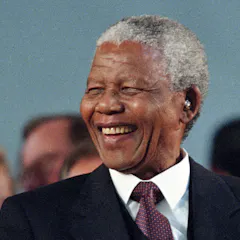
The ICC has made important advances by investigating cases outside Africa and completing ones that further define what is not allowed in war. South Africa’s withdrawal is concerning, but not fatal.
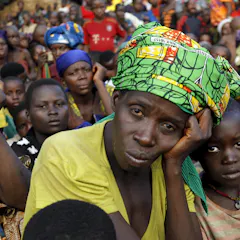
The initiative to establish an African Humanitarian Agency is a welcome one. But political, technical and financial support will matter. This will require the AU to take a pragmatic approach. Can it?
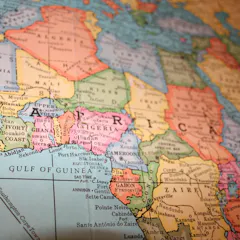
The UK plays a crucial role in how the European Union engages with African nations. Post referendum, political and diplomatic norms will have to be re-imagined.
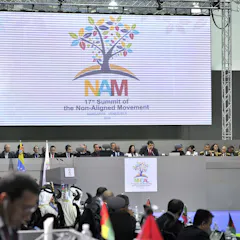
The Non-Aligned Movement member states enjoy cohesion on few issues. Historically, their heterogeneity ranged from absolute monarchs to socialist presidents.
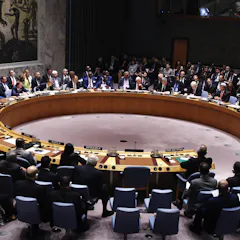
The world is steadily transitioning to a multipolar systemic balance of power. The UN Security Council needs to reflect and be a truer representative of the emerging voices of a contemporary “UN”.
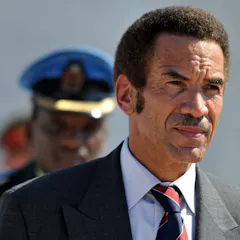
For a global audience, the movie ‘A United Kingdom’ provides a topical account of race relations. The love story is likely to revitalize the popular viewpoint of Botswana as a national success story.
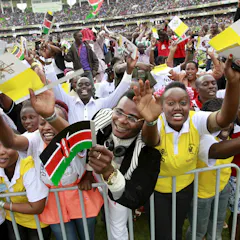
The African Union has identified youth as critical for development. But, a new survey reveals a wide gap between these aspirations and the reality of youth public engagement on the continent.
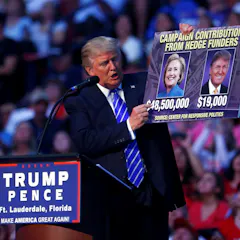
Achieving greater freedom and equality for all identity groups is African democrats’ primary goal. By contrast, American democrats have traditionally been preoccupied with individual rights.

The idea of a pan-African passport is praiseworthy, but it’s not going to work – yet.
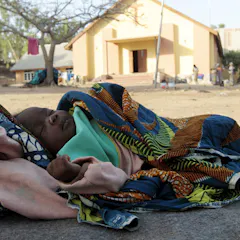
The rise in the number of people fleeing Boko Haram terror calls for urgent amendments to Nigeria’s constitution to provide legal protection to the country’s millions of internally displaced citizens.
Top contributors
-

Honorary Professor of International Relations, University of the Witwatersrand
-
Professor, Institute of African Studies, University of Leipzig
-
Research fellow, Institute on Comparative Regional Integration Studies (UNU-CRIS), United Nations University
-
Director & SARChI Research Chair: Political Economy of Migration in the SADC Region, University of Pretoria
-
Programme manager of the Master's in Human Rights and Democratisation in Africa at the Centre for Human Rights, University of Pretoria
-
Steinberg Postdoctoral Fellow in International Migration Law, Centre for Human Rights and Legal Pluralism, Faculty of Law, McGill University
-
Political Scientist, University of the Western Cape
-
Professor of International Human Rights Law, Centre for Human Rights, and acting SARChI Chair in International Constitutional Law, University of Pretoria
-
Professor of International Law, University of Pretoria
-
Professor of Political Science, Department of Political Studies and Governance, University of the Free State
-
Extraordinary Lecturer, University of Pretoria
-
Reader in Law, University of Sussex
-
PhD candidate in Political Studies at the Department of Politics and International Relations, University of Johannesburg
-
Senior Research Fellow, Norwegian Institute of International Affairs and Visiting Professor University of Buckingham, Norwegian Institute of International Affairs
-
Associate Professor International Law, Roskilde University