
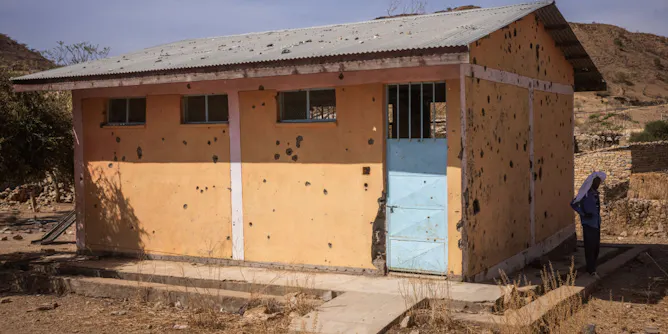
Leaving millions of children out of school has devastating consequences.
Articles on Access to education
Displaying all articles
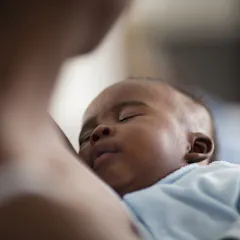
Almost one in three teen mothers do not return to school. Cash incentives help get them back, but affordable day-care is essential too.
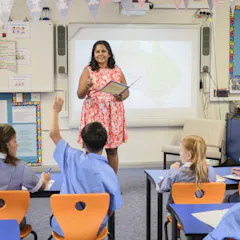
The languages and the methods of classroom assessments need to be expanded. Such changes will make assessment more inclusive and fairer for all, particularly First Nations students.
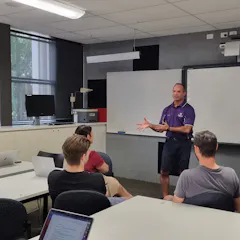
Indigenous education provides all students with a rich and well-rounded knowledge of Australia’s history. However research shows Indigenous teachers are scarce and poorly supported.

We live in a digital and distributed world. Universities must adapt to that reality to do a better job of meeting today’s educational needs.

Contact languages are widely spoken by many First Nations children. These languages must be recognised and valued in the classroom to better meet students’ learning needs.
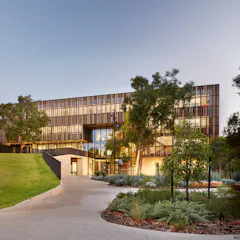
Culturally safe spaces are pivotal in the academic success of First Nations students.

Students matching the ‘traditional’ applicant’s profile see university as a stepping stone to a good job. Those from less-well-represented groups care more about higher education’s intrinsic value.
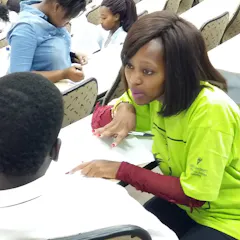
Universities have both a responsibility and a degree of potential influence on public schooling that set them apart and impose a special duty of leadership.

Social class plays a huge role in people’s experiences of accessing and succeeding in higher education.

E-learning is both a technological and a social innovation. At its best, it can address problems within a particular social context.

Every year, thousands of active military and veterans enroll as undergrads, but only half leave with a degree. What cheap and effective strategies could help our military complete college?
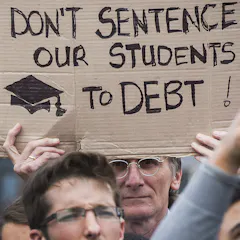
The ministerial task team’s report presents a jaundiced view of an important organisation that’s opened the doors of higher education to many who would otherwise have been closed out.
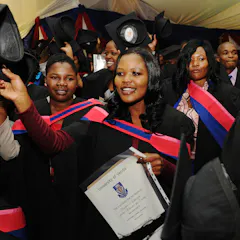
Student funding processes must be opened up to public scrutiny and participation if they’re to succeed.
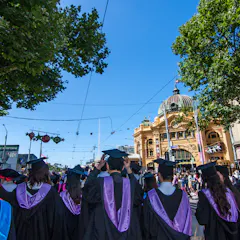
Universities must redress, not reinforce, disadvantage by ensuring more students from lower socio-economic backgrounds have the chance to benefit form them.
Top contributors
-

Associate professor in education, Curtin University
-
Professor of Higher Education, Rhodes University, South Africa, Rhodes University
-
Senior Lecturer in Education/Applied Linguistics, Curtin University
-
Senior lecturer, Department of Information Systems, University of the Western Cape
-
Assistant Professor in International Education and Development (Education), School of Education and Social Work, University of Sussex
-
Research Associate in Higher Education Policy and Planning, Ali Mazrui Centre for Higher Education Studies, University of Johannesburg
-
Emeritus Professor, University of Newcastle
-
Senior Lecturer, School of Indigenous Studies, The University of Western Australia
-
Professor, Principal Research Fellow & Deputy Head of School, School of Education, The University of Queensland
-
Research Professor, Curtin University
-
Postdoctoral fellow, University of Oxford
-
Researcher - Global Health, University of Oxford
-
Lecturer in Indigenous Education, The University of Queensland
-
Professor of Linguistics and Applied Linguistics, The University of Melbourne
-
Professor and Dean of Education, Rhodes University